How to Choose the Best Painter’s Tape in 2026 for Flawless Results
Painting a room can feel exciting. However, nothing ruins a fresh coat of paint faster than bleed-through, peeling edges, or sticky residue left behind on your trim. The secret to a clean finish often comes down to one simple tool: painter’s tape. Choosing the right one makes all the difference. Therefore, knowing what to look for before you buy is essential.
This guide walks you through everything you need to know. You will learn about the different types of painter’s tape, what features matter most, and how to match the tape to your specific project. Whether you are a homeowner doing a weekend refresh or a professional on a job site, this article has you covered.
Why Painter’s Tape Matters More Than You Think
Many people treat painter’s tape as an afterthought. They grab whatever is on the shelf and hope for the best. Unfortunately, that approach leads to frustrating results.
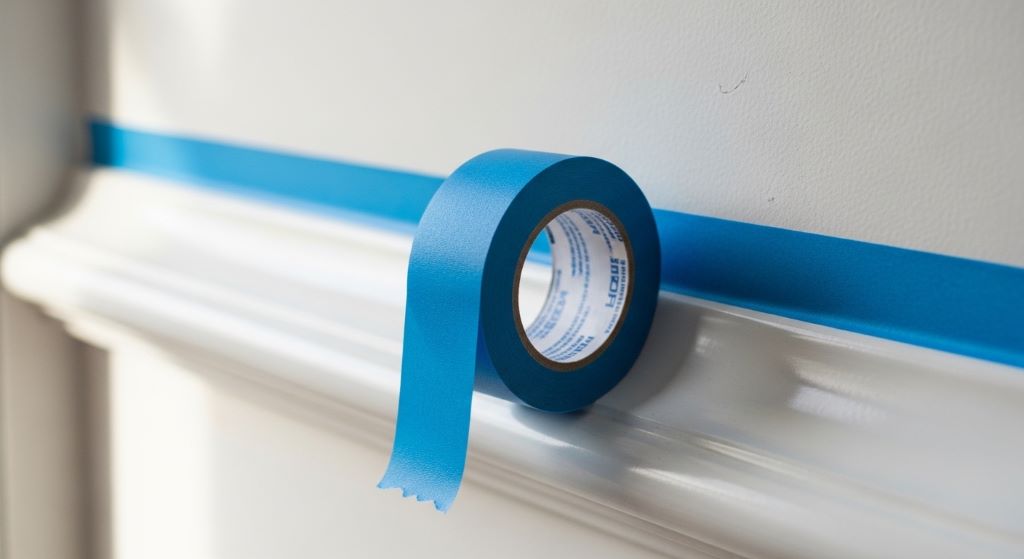
Good painter’s tape creates a sharp boundary between painted and unpainted surfaces. It protects trim, glass, and hardware during the job. It also comes off cleanly without leaving sticky marks or pulling away fresh paint.
Additionally, the right tape saves time. You spend less effort touching up mistakes. Your edges look professional, and the overall finish looks polished. Therefore, investing a few extra minutes in choosing the right tape is always worth it.
Understanding the Different Types of Painter’s Tape
Not all painter’s tape is the same. Manufacturers design different tapes for different surfaces and conditions. Knowing the differences helps you make a smarter choice.
General-Purpose Painter’s Tape
This is the most common type. It works well on walls, wood trim, and smooth surfaces. It usually has a moderate adhesion level. That means it sticks firmly enough to prevent bleed-through but releases cleanly when you remove it. Most general-purpose tapes are designed for use on interior walls with standard latex paint.
Delicate Surface Tape
This tape uses a gentler adhesive. It is ideal for freshly painted walls, wallpaper, or surfaces that could be damaged by stronger adhesion. However, it may not hold as well on rough or porous surfaces. Use this type when you are working near surfaces you want to protect from any damage at all.
Rough Surface Tape
Textured walls, brick, and concrete need a tape with stronger grip. Rough surface tape is wider and uses a more aggressive adhesive. It conforms to uneven surfaces and still provides a clean seal. Therefore, if you are painting in a garage or on an exterior wall, this is your best option.
High-Temperature Tape
Some projects involve heat. For example, painting near radiators or working outdoors in summer sun requires a tape that will not break down. High-temperature tape maintains its seal even when exposed to warmth. It is also a popular choice among those using pro painting tools for industrial or specialty applications.
Outdoor and UV-Resistant Tape
Exterior painting projects need tape that can handle moisture, wind, and UV exposure. Standard indoor tape will dry out or lose adhesion quickly outside. Outdoor tape is built to last several days in the elements. Additionally, it resists paint bleed-through even when conditions change rapidly.
Key Features to Evaluate Before Buying
Once you understand the types, you need to know what features to compare. Here are the most important factors to consider.
Adhesion Level
Adhesion refers to how strongly the tape sticks. Too little adhesion and paint will seep underneath. Too much adhesion and the tape might damage your surface when you remove it. Most tapes are labeled as low, medium, or high adhesion. Match the level to your surface type.
Clean Removal Window
Every painter’s tape has a recommended removal window. Some tapes need to come off within 24 hours. Others can stay on for up to 21 days. Always check this specification. Leaving tape on too long leads to residue and surface damage. Therefore, plan your project timeline before you buy.
Width Options
Painter’s tape comes in various widths. Narrow tape, around half an inch, works well for tight trim and detailed work. Wider tape, up to three inches or more, covers larger areas and saves time on big projects. Many professionals who use top masking tape keep several widths on hand for different tasks.
Backing Material
The backing of the tape affects how it performs. Crepe paper backing is flexible and ideal for curved surfaces. Flat backing works better for straight lines. Some tapes use a smooth plastic backing that resists moisture especially well.
Paint Compatibility
Not all tapes work with all paints. Oil-based paints, spray paints, and specialty coatings can interact differently with tape adhesives. Always read the label to confirm the tape is compatible with your paint type. This step is easy to skip but important to follow.
How to Match Tape to Your Project
Choosing the right tape becomes easier when you think about your specific situation. Here is a simple way to approach it.
Start by identifying your surface. Is it smooth drywall, rough stucco, freshly painted trim, or something else? Next, consider your paint type. Are you using latex, oil-based, or spray paint? Then think about your timeline. How long will the tape need to stay in place?
For most interior wall projects, a standard medium-adhesion painter’s tape works perfectly. However, if you are painting near wallpaper or a surface with only one coat of fresh paint, switch to a delicate surface tape. For exterior work, always choose a tape rated for outdoor conditions.
Additionally, consider the temperature and humidity in your space. High humidity can cause tape edges to lift. Extremely dry conditions can make removal harder. Some tapes are specifically formulated to handle these challenges, so check the packaging for climate recommendations.
Tips for Getting the Best Results from Painter’s Tape
Even the best tape will fail if you do not apply it correctly. Follow these steps to get sharp, clean lines every time.
Prepare the Surface First
Clean the surface before taping. Dust, grease, and moisture all weaken tape adhesion. Wipe the surface with a damp cloth and let it dry completely. This one step prevents most tape failures.
Apply with Even Pressure
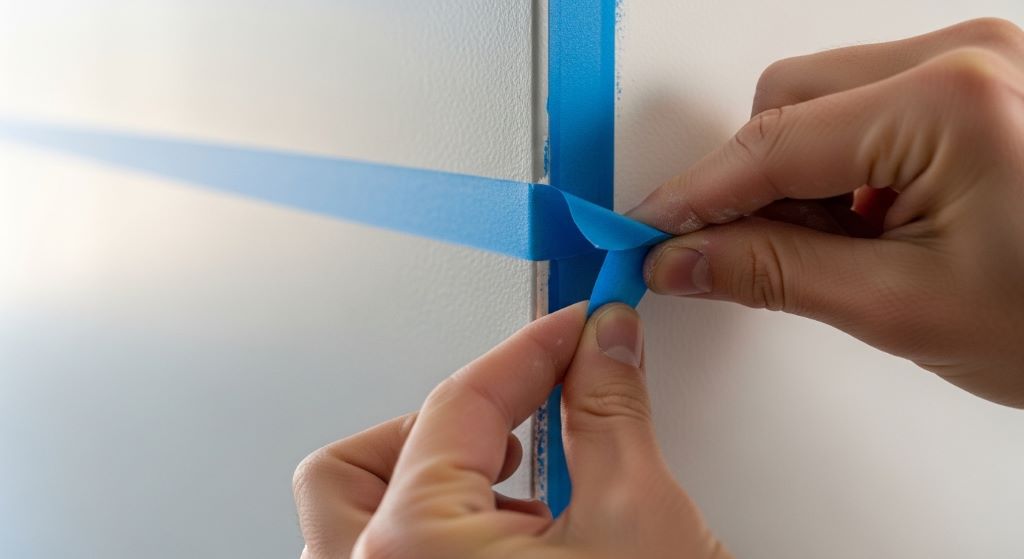
Press the tape firmly along its entire length. Use your finger or a putty knife to run along the edge. Make sure there are no air pockets or lifted sections. Even a small gap allows paint to seep underneath.
Seal the Edge with Paint
Here is a professional trick. After applying the tape, brush a thin coat of the same base color along the tape edge. Let it dry. Then apply your new paint color on top. This technique seals any tiny gaps and guarantees a perfectly clean line.
Remove at the Right Time
Timing your removal matters. Pull the tape off at a 45-degree angle, slowly and steadily. Do not wait until the paint is fully hard. Remove it while the paint is still slightly tacky for the cleanest result. Additionally, score along the tape edge with a knife if the paint has already dried to prevent tearing.
Common Mistakes to Avoid
Many painters, even experienced ones, make avoidable mistakes with tape. Here are the most common ones.
Leaving tape on too long is the biggest error. The adhesive bonds more tightly with time, especially in heat. Always pull the tape within the manufacturer’s recommended window.
Using the wrong tape for the surface is another frequent problem. Rough walls need tape with stronger grip. Delicate surfaces need gentle adhesive. Matching the tape to the surface prevents damage and improves results.
Stretching the tape while applying it causes it to contract and lift. Apply it flat and relaxed for a better seal. Additionally, taping over dirty or oily surfaces leads to bleed-through every time. Prep the surface first, always.
Top Brands Worth Considering in 2026
The painter’s tape market continues to evolve. Several brands consistently earn high marks from professionals who rely on pro painting tools daily.
3M’s ScotchBlue line remains a gold standard for interior work. FrogTape uses a paint-block technology that actively prevents bleed-through. IPG’s Stik-Tak series performs well on rough surfaces. Shur-Line offers solid budget options for simple projects. Additionally, Duck Brand has expanded its line to include specialty tapes for both indoor and outdoor use.
Each brand offers multiple product lines. Therefore, always read the specific product details rather than simply trusting the brand name alone. Different products within the same brand can vary significantly in performance.
What Professionals Look for in Top Masking Tape
Professional painters have clear priorities when selecting top masking tape. They look for consistent adhesion across an entire roll, not just the first few feet. They also value tapes that conform well to edges and corners without tearing mid-application.
Additionally, professionals prioritize clean removal above everything else. Residue or surface damage means extra work and unhappy clients. Therefore, the best tapes for professional use combine reliable adhesion with easy, clean release every time.
Conclusion
Choosing the right painter’s tape in 2026 is not complicated. However, it does require a little thought before you buy. Start with your surface type, then consider your paint and project timeline. Look for a tape with the right adhesion level, a suitable removal window, and the correct width for your task.
Apply the tape correctly, seal the edge, and remove it at the right time. These steps, combined with a quality tape, will give you sharp, clean lines on every project. Additionally, avoiding common mistakes like over-taping or using the wrong type will save you time and frustration.
Whether you are a first-time DIYer or a seasoned professional, the right tape is a small investment that delivers big results. Therefore, take a moment to choose wisely, and your finished walls will show it.
Frequently Asked Questions
How long can painter’s tape stay on before it damages the surface?
Most painter’s tapes are safe to use for 1 to 14 days, depending on the product. Some specialty tapes are rated for up to 21 days. Always check the manufacturer’s recommendation on the packaging and remove the tape within that window to avoid adhesive residue or surface damage.
Can I use painter’s tape on freshly painted walls?
Yes, but you need to use a delicate surface or low-adhesion tape. Standard painter’s tape can pull off fresh paint if it has not fully cured. Wait at least 24 hours after painting before applying any tape, and always use a tape labeled safe for fresh or recently painted surfaces.
What is the difference between painter’s tape and regular masking tape?
Regular masking tape uses a stronger adhesive and is not designed for clean removal. It often leaves residue and can damage surfaces. Painter’s tape uses a lower-tack adhesive made specifically to release cleanly without leaving marks, making it the right choice for any painting project.
How do I prevent paint from bleeding under the tape?
Start by pressing the tape edge firmly with your finger or a tool. Then apply a thin coat of your base color along the tape edge and let it dry before applying the new color. This seals any gaps. Additionally, make sure the surface is clean and dry before you apply the tape.
Is there a painter’s tape that works on textured or rough walls?
Yes. Several brands make tape specifically for rough or textured surfaces. These tapes use a more flexible backing and a stronger adhesive that conforms to uneven surfaces. Look for products labeled for rough, textured, or exterior surfaces to get the best seal on these challenging areas.
Related Topics:
How to make peach color at home
How Long Does Paint Take to Dry? First and Second Coating