How to Improve Your Child’s Sleep with the Right Pillow
Quality sleep is essential for your child’s growth, development, and overall well-being. Many parents focus on bedtime routines and sleep schedules but overlook one crucial element: the pillow their child uses each night. The right pillow can make a significant difference in how well your child sleeps and how they feel when they wake up.
Children’s bodies are constantly growing and changing. Their sleep needs differ dramatically from adults, and so do their requirements for proper sleep support. A pillow that works for you won’t necessarily work for your child. Understanding what makes a good children’s pillow helps you make informed decisions that improve sleep quality.
This comprehensive guide explores everything you need to know about selecting the perfect pillow for your child. You’ll discover how pillows affect sleep quality, what to look for at different ages, and how to identify signs that your child needs better support. By the end, you’ll have the knowledge to transform your child’s sleep experience.
Understanding Why Pillows Matter for Children
Your child’s spine is still developing, making proper support during sleep crucial for healthy growth. Unlike adults, children have different proportions between their heads and bodies. These differences mean they need specialized support that accommodates their unique anatomy.
During sleep, the body repairs tissues, consolidates memories, and releases growth hormones. However, poor positioning can disrupt these essential processes. When a child’s head and neck aren’t properly aligned, their muscles can’t fully relax. This tension leads to restless sleep, frequent waking, and morning discomfort.
Additionally, children spend more time in deep sleep stages than adults. While this deep sleep is beneficial for development, it also means they’re less likely to adjust their position when uncomfortable. Therefore, starting the night in a well-supported position becomes even more important for young sleepers.
Many sleep disruptions that parents attribute to behavioral issues actually stem from physical discomfort. A child who tosses and turns all night or wakes up cranky might simply need better pillow support. Addressing this foundational issue often resolves sleep problems more effectively than complicated behavioral interventions.
The Connection Between Pillows and Child Sleep Posture
Proper child sleep posture involves maintaining the natural curves of the spine throughout the night. The neck should remain in a neutral position, neither tilting up nor dropping down. This alignment allows muscles to relax completely and ensures unrestricted breathing.
When a pillow is too high, it pushes the head forward and creates an unnatural angle in the neck. This position strains muscles and can even restrict airways, potentially contributing to snoring or breathing difficulties. Children sleeping in this position often wake with stiff necks or headaches.
Conversely, a pillow that’s too flat or absent altogether allows the head to drop backward. This position also misaligns the spine and can cause different problems. The muscles work overtime to compensate for the lack of support, preventing truly restful sleep.
Side sleepers need adequate support to keep their head level with their spine. The pillow should fill the space between the mattress and their head without lifting too high. Back sleepers require less loft but still need enough support to maintain the neck’s natural curve. Stomach sleeping generally requires the least pillow height, though this position isn’t recommended for young children.
Age-Appropriate Pillow Guidelines
Different ages require different approaches to pediatric sleep support. What works for a toddler won’t suit a teenager, and understanding these distinctions helps you make appropriate choices.
Infants under one year should not use pillows at all. Their sleep space should contain only a firm mattress with a fitted sheet. Pillows pose suffocation risks for babies and provide no benefits at this age. Their body proportions don’t require additional head elevation.
Toddlers aged one to three years can transition to a very thin, small pillow if they seem ready. Look for toddler-specific pillows that are significantly flatter than adult versions. Many children this age still sleep comfortably without pillows, so don’t rush the transition if your child seems content.
Preschoolers between three and six years old typically benefit from a small, moderately firm pillow. Their growing bodies start needing more support as their shoulders broaden and their sleep positions become more varied. Choose pillows specifically designed for this age group rather than simply using a flat adult pillow.
School-age children from six to twelve need pillows that accommodate their increasing size while still being appropriate for their developing bodies. They can graduate to slightly larger pillows, but adult-sized pillows are often still too large. Look for junior or youth-sized options designed for this transitional stage.
Teenagers can generally use adult pillows, though their preferences and sleep positions should guide selection. Some teens still benefit from slightly smaller pillows depending on their build. Involve them in the selection process since they can articulate what feels comfortable.
Material Considerations for Children’s Pillows
The filling material affects not only comfort but also safety, durability, and maintenance. Different materials offer various advantages, and the best choice depends on your child’s specific needs.
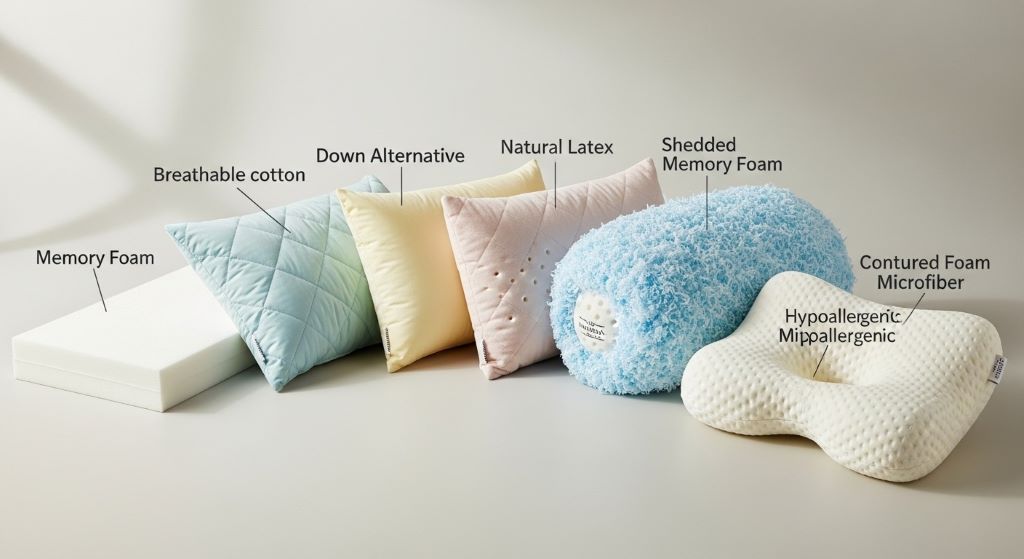
Memory foam pillows conform to your child’s head and neck, providing customized support. They distribute weight evenly and reduce pressure points. However, some memory foam can retain heat, which may be uncomfortable for children who sleep warm. Look for gel-infused or ventilated memory foam designed to stay cooler.
Polyester fill pillows are lightweight, affordable, and easy to clean. They work well for younger children who may have accidents or spills. These pillows are typically machine washable, making maintenance simple for busy parents. However, they may flatten over time and need replacement more frequently than other materials.
Down and feather pillows are soft and moldable but raise concerns for children with allergies. They’re also more difficult to clean and can harbor dust mites if not properly maintained. Additionally, some down pillows are too soft to provide adequate support for growing children.
Latex pillows offer natural antimicrobial properties and excellent support. They maintain their shape well and provide consistent support throughout the night. Natural latex is also resistant to dust mites and mold. However, these pillows tend to be more expensive and aren’t suitable for children with latex allergies.
Buckwheat and other alternative fills provide firm, adjustable support. You can add or remove filling to customize the loft for your child’s needs. These materials also sleep cool and resist dust mites. Nevertheless, they can be noisy when your child moves, which might disturb light sleepers.
Signs Your Child Needs a Better Pillow
Recognizing when your child’s current pillow isn’t working helps you address problems before they affect sleep quality or development. Several indicators suggest it’s time for a change.
Morning complaints about neck pain, shoulder stiffness, or headaches often point to inadequate support during sleep. While occasional discomfort happens, consistent complaints indicate a problem that needs addressing. Pay attention to where your child says they hurt, as this provides clues about what’s wrong with their current setup.
Restless sleep with frequent position changes may indicate discomfort. While some movement during sleep is normal, excessive tossing and turning suggests your child can’t find a comfortable position. They might be unconsciously trying to compensate for poor pillow support.
Snoring or mouth breathing during sleep sometimes relates to pillow positioning. A pillow that tilts the head incorrectly can partially obstruct airways, making breathing more difficult. If your child has recently started snoring and you’ve ruled out illness, consider whether their pillow might be contributing.
Visible pillow deterioration means it’s definitely time for replacement. Lumpy filling, flat spots, permanent indentations, or tears indicate the pillow has lost its supportive properties. Even if your child doesn’t complain, a worn-out pillow can’t provide proper support.
Your child frequently abandoning their pillow during the night suggests it’s not comfortable. If you consistently find the pillow on the floor or pushed aside, they’re telling you it doesn’t work for them. This behavior warrants trying a different pillow type or size.
Selecting the Right Pillow Thickness
Pillow thickness, or loft, dramatically affects support and comfort. Getting this measurement right is crucial for maintaining proper spinal alignment throughout the night.
Measure the distance from your child’s mattress to their head when lying on their side. This measurement indicates the ideal pillow thickness for side sleeping. The goal is to keep their head level with their spine, neither tilted up nor down.
For back sleeping, your child needs less loft than for side sleeping. The pillow should support the natural curve of their neck without pushing their head too far forward. A pillow that’s too thick for back sleeping can cause the chin to tilt toward the chest.
Consider your child’s shoulder width when selecting pillow thickness. Broader shoulders require more loft to keep the head aligned when side sleeping. Narrower shoulders need less height. This relationship explains why pillow needs change as children grow.
Adjustable pillows offer flexibility as your child develops. Some pillows allow you to add or remove filling to customize the height. This adaptability means the pillow can grow with your child, potentially lasting longer and providing better value.
Test different thicknesses if you’re unsure what works best. Many retailers allow returns if a pillow doesn’t work out. Take advantage of trial periods to ensure you’ve found the right fit before committing.
Addressing Allergies and Sensitivities
Many children suffer from allergies that affect their sleep quality. Choosing the right pillow materials and maintaining them properly can significantly reduce allergic reactions and improve rest.
Hypoallergenic pillow covers create a barrier between your child and potential allergens. These specially designed covers prevent dust mites, their waste products, and other allergens from penetrating the pillow. They’re essential for children with asthma or allergies.
Synthetic fills generally cause fewer allergic reactions than natural materials like down or feather. They also resist dust mites more effectively. For children with known allergies, synthetic options often provide the safest choice.
Washability becomes crucial when dealing with allergies. Regular washing removes allergens and keeps pillows fresh. Choose pillows that can be completely machine washed rather than just having removable covers. Wash pillows every few months and covers every few weeks for best results.
Antimicrobial treatments on pillows and covers provide additional protection against bacteria, mold, and mildew. These treatments are particularly valuable in humid climates or for children prone to allergies. However, ensure any treatments used are safe and non-toxic.
Air purifiers in bedrooms can complement pillow choices by reducing overall allergen levels. While not a replacement for proper pillow selection, they create a healthier sleep environment. Combining multiple strategies provides the best results for allergic children.
The Role of Pillowcases and Covers
The outer covering of your child’s pillow affects comfort, hygiene, and durability. Choosing appropriate pillowcases and protective covers enhances the overall sleep experience.
Breathable fabrics like cotton or bamboo help regulate temperature. Children often sleep warmer than adults, so cooling materials prevent overheating. Natural fibers wick moisture away from skin, keeping your child comfortable throughout the night.
Smooth weaves reduce friction against your child’s skin and hair. Rough fabrics can cause irritation or tangle hair, leading to discomfort. Softer pillowcases feel more comfortable against delicate skin and contribute to better sleep.
Waterproof pillow protectors guard against accidents, spills, and moisture. Young children occasionally have nighttime accidents, and older children might spill drinks or get sick. A waterproof layer protects the pillow itself while remaining breathable enough not to trap heat.
Multiple pillowcases allow for frequent changes without waiting for laundry. Having several sets means you can change pillowcases twice weekly or more often if needed. Fresh pillowcases reduce oil buildup, bacteria, and odors that can affect sleep quality.
Fun patterns and colors can make bedtime more appealing for reluctant sleepers. Letting your child choose pillowcases they love creates positive associations with their sleep space. However, comfort and quality should still take priority over aesthetics.
Creating a Complete Sleep Environment
While pillows are important, they’re just one element of healthy sleep. Creating a comprehensive sleep environment maximizes the benefits of proper pediatric sleep support.
Mattress quality affects how well a pillow works. A sagging or overly soft mattress changes the support equation, potentially requiring different pillow characteristics to compensate. Ensure your child’s mattress provides appropriate support for their age and size.
Room temperature influences sleep quality significantly. Children sleep best in slightly cool rooms, typically between 65 and 70 degrees Fahrenheit. Proper temperature helps them fall asleep faster and experience fewer night wakings.
Darkness promotes melatonin production, the hormone that regulates sleep. Blackout curtains or shades help create the dark environment children need for quality rest. Small nightlights are fine if your child needs them for comfort, but avoid bright overhead lights.
Noise control prevents sleep disruptions. White noise machines can mask sudden sounds that might wake your child. Consistent background noise is less disruptive than varying sound levels throughout the night.
Comfortable bedding complements good pillow support. Soft, breathable sheets in appropriate weights for the season help maintain comfortable body temperature. Scratchy or uncomfortable bedding can negate the benefits of an excellent pillow.
Teaching Children About Sleep Hygiene
Educating your child about good sleep habits creates a foundation for lifelong healthy sleep. Age-appropriate discussions about why sleep matters help them understand and cooperate with bedtime routines.
Explain how their pillow helps them sleep better. Understanding that their pillow supports their growing body makes children more likely to use it properly. Simple explanations work well, such as comparing proper pillow support to sitting in a comfortable chair.
Encourage consistent sleep positions when possible. While children naturally move during sleep, starting the night in a well-supported position makes a difference. Gently remind them to position their pillow correctly when you tuck them in.
Create positive associations with bedtime and their sleep space. Avoid using bed or bedroom as punishment locations. Children should view their bedroom as a comfortable, safe place where they rest and recharge.
Establish calming pre-sleep routines that signal bedtime approaching. Consistent routines might include bathing, reading, or quiet conversation. These predictable patterns help children wind down mentally and physically.
Model good sleep habits yourself. Children learn by observing their parents. When they see you prioritizing sleep and using proper support, they’re more likely to value these practices themselves.
When to Consult Healthcare Professionals
Sometimes sleep issues require professional input beyond pillow selection. Recognizing when to seek help ensures your child gets appropriate care for underlying problems.
Persistent snoring, gasping, or breathing pauses during sleep warrant medical evaluation. These symptoms might indicate sleep apnea or other breathing disorders that need treatment. While pillow adjustment might help, underlying medical issues require professional diagnosis.
Chronic insomnia or difficulty falling asleep despite good sleep hygiene suggests deeper issues. A pediatrician or sleep specialist can identify whether medical, psychological, or developmental factors are affecting sleep. They might recommend sleep studies or other diagnostic tools.
Frequent nightmares or night terrors that disrupt sleep regularly need professional attention. While occasional bad dreams are normal, persistent problems might indicate anxiety or other concerns requiring intervention.
Daytime sleepiness, difficulty concentrating, or behavioral issues related to poor sleep should prompt a medical visit. These symptoms indicate that sleep problems are affecting your child’s daily functioning and development.
Physical complaints like chronic neck pain or headaches deserve medical evaluation, even if you suspect poor pillow support. While a better pillow might help, ruling out other causes ensures you’re not missing important health issues.
Budget-Friendly Pillow Solutions
Quality sleep support doesn’t necessarily require expensive purchases. Smart shopping and strategic choices help you provide good pillows without overspending.
Start with mid-range options rather than the cheapest or most expensive. Very inexpensive pillows often lack durability and support, requiring frequent replacement. However, many moderately priced pillows perform excellently and last for years.
Look for sales and discounts on quality brands. Many retailers offer significant discounts during seasonal sales. Signing up for email lists often provides access to special promotions and coupons.
Consider adjustable pillows that grow with your child. While potentially more expensive initially, adjustable options last longer by adapting to changing needs. This longevity often makes them more economical over time.
Proper care extends pillow life, maximizing your investment. Following washing instructions, using protective covers, and fluffing regularly keep pillows in good condition longer. Well-maintained pillows provide consistent support for years.
Prioritize features that matter most for your child. If allergies are a concern, invest in hypoallergenic materials and covers. If your child is hard on belongings, choose durable, washable options even if other features are basic.
Conclusion
Improving your child’s sleep with the right pillow requires understanding their unique developmental needs and how proper support affects rest quality. The correct pillow maintains healthy child sleep posture by aligning the spine and supporting the head and neck throughout the night. This alignment allows muscles to relax fully, promoting the deep, restorative sleep children need for growth and development.
Selecting an appropriate pillow involves considering your child’s age, sleep position, body proportions, and any special needs like allergies. Material choice, thickness, and quality all contribute to how well a pillow performs. However, even the best pillow works optimally only as part of a comprehensive sleep environment that includes a supportive mattress, comfortable bedding, and healthy sleep habits.
Pay attention to signs that your child’s current pillow isn’t working, such as complaints of discomfort, restless sleep, or visible pillow deterioration. Don’t hesitate to try different options until you find what works best for your unique child. Remember that needs change as children grow, so periodic reassessment ensures continued appropriate support.
Investing time and resources into proper pediatric sleep support pays dividends in your child’s health, mood, behavior, and development. Quality sleep affects every aspect of a child’s life, from academic performance to emotional regulation. By prioritizing this foundational element of wellness, you’re giving your child the best possible foundation for healthy growth and happiness.
Frequently Asked Questions
At what age should my child start using a pillow?
Most children can transition to a thin pillow around 18 to 24 months old, though some children may not need or want one until age three. Never give pillows to infants under 12 months due to suffocation risks. When introducing a pillow, choose one specifically designed for toddlers that’s much flatter than adult versions. Watch your child’s response and remove the pillow if they consistently push it away or seem uncomfortable.
How often should I replace my child’s pillow?
Replace children’s pillows every one to two years, or sooner if they show signs of wear like lumps, flat spots, or odors that don’t wash out. Children’s pillows often need replacement more frequently than adult pillows because kids are harder on them and experience rapid growth requiring different support. Conduct the fold test: fold the pillow in half and release it. If it doesn’t spring back to shape, it’s time for a new one.
Can the wrong pillow cause neck problems in children?
Yes, consistently sleeping with improper support can contribute to neck pain, poor posture, and muscle tension in children. While children are generally resilient, prolonged use of pillows that are too high, too flat, or too soft can strain developing muscles and potentially affect spinal development. If your child complains of regular neck discomfort, evaluate their pillow as a potential cause and consult a pediatrician if problems persist.
Should I get different pillows for different sleeping positions?
Ideally, yes, different sleep positions benefit from different pillow characteristics. However, since children often change positions throughout the night, choose a pillow that best suits their primary sleeping position. Side sleepers need more loft than back sleepers, while stomach sleeping requires very little height. Some versatile pillows work reasonably well for multiple positions, making them practical choices for active sleepers who frequently change position.
Are organic or natural pillows better for children?
Organic and natural pillows can be excellent choices, particularly for children with allergies or chemical sensitivities. They often use materials free from harmful chemicals and synthetic treatments. However, they’re not automatically superior to all synthetic options. Some synthetic materials offer better support, are more hypoallergenic, or are easier to maintain. Consider your child’s specific needs rather than assuming natural automatically means better. Quality and appropriate support matter more than whether materials are natural or synthetic.
Related Topics:
Washing Throw Pillows: Keeping Your Couch Companions Fresh
How to Wash Large Pillows or Cushions? Follow These Steps