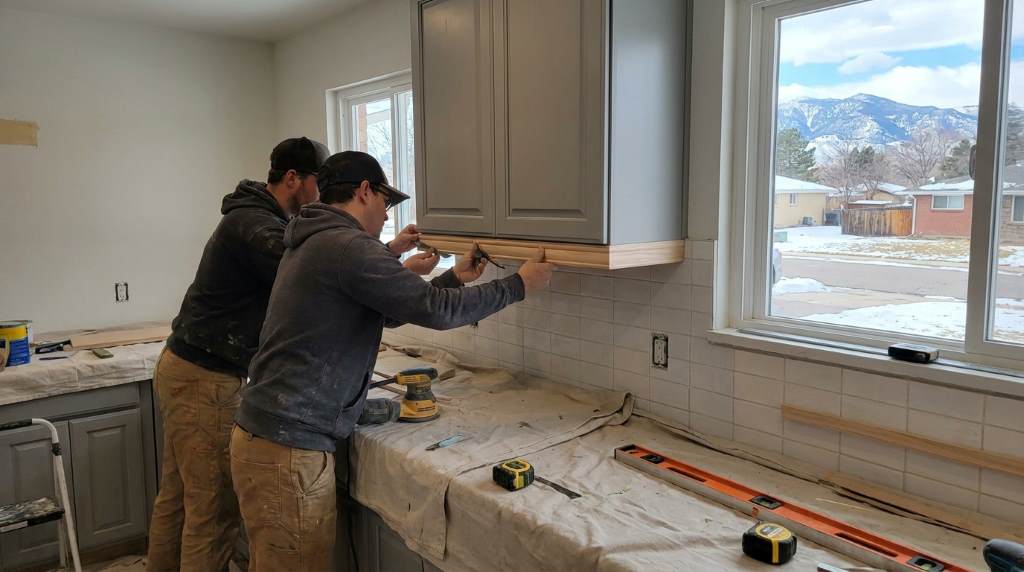
How Renovators in Denver, CO Create Cleaner Kitchen Cabinet Transitions
Kitchen remodeling projects in Denver continue to rise as homeowners focus on cleaner layouts and practical storage upgrades. According to Houzz renovation reports, kitchen remodels remain one of the top home improvement investments in the United States. Many homeowners now pay close attention to cabinet transitions because uneven spacing and rough finishes reduce visual appeal quickly. In many modern remodels, renovators also combine smart storage planning with dishwasher gap cover solutions to create a polished kitchen design. As a result, Denver contractors now prioritize smoother cabinet lines, hidden joints, and climate-resistant finishes during every renovation project.
Why Cabinet Transitions Matter in Modern Denver Kitchens
Cabinet transitions connect different sections of the kitchen without visible interruptions or awkward spacing. Clean transitions improve the overall flow between countertops, appliances, and storage units. Moreover, they help kitchens look larger and more organized in both small and open-concept homes. Renovators in Denver understand that homeowners want seamless finishes that stay durable through seasonal weather changes.
Denver homes experience dry winters, temperature swings, and varying indoor humidity throughout the year. Because of this climate, cabinet materials often expand and contract over time. Professional renovators use stable wood products and precise installation methods to reduce visible gaps later. Many experts also recommend seasonal cleaning methods like spring cleaning your kitchen to protect cabinet surfaces and maintain smoother transitions.
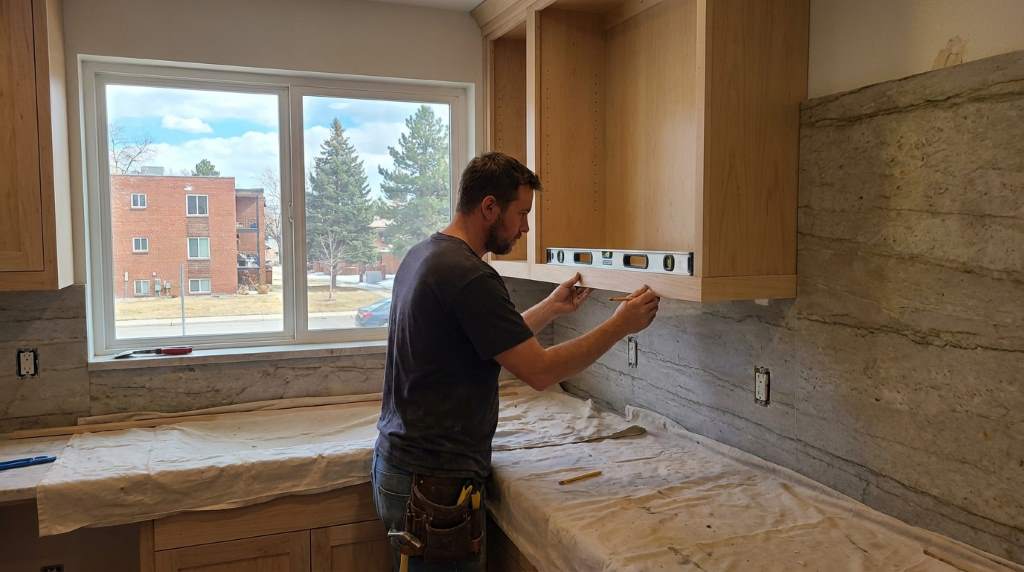
Choosing the Right Cabinet Alignment Strategy
Professional renovators begin every project by measuring wall alignment and floor leveling carefully. Uneven floors create noticeable cabinet height differences if installers ignore them early. Therefore, experts use laser levels and adjustment shims before securing any cabinet base. This detailed preparation prevents crooked transitions between upper and lower cabinet sections.
Many Denver kitchens include mixed cabinet depths because homeowners combine decorative storage with functional layouts. Renovators solve this challenge by creating transition zones using filler strips and custom side panels. These details keep visual lines straight while maintaining accessibility around appliances and walkways. As a result, the kitchen appears balanced from every viewing angle.
Popular Cabinet Transition Techniques
- Flush side panel installations for smooth edge alignment
- Color-matched filler strips between uneven spaces
- Crown molding continuity across cabinet sections
- Integrated lighting to soften corner transitions
- Hidden trim connectors around pantry units
How Denver Renovators Handle Appliance Gaps
Appliance gaps often create the biggest visual interruptions inside a kitchen layout. Refrigerators, dishwashers, and wall ovens require clearance space, yet large openings look unfinished quickly. Renovators solve this issue by using slim transition panels that blend with surrounding cabinetry. Consequently, the kitchen maintains a custom-built appearance without wasting functional space.
Dishwasher areas especially require careful planning because moisture exposure can damage nearby cabinet edges over time. Denver contractors often use water-resistant laminates or sealed hardwood trims around these spaces. In addition, they install hidden support brackets to prevent side panel movement during seasonal expansion. Current remodeling trends highlighted in kitchen trends for 2026 also show increasing demand for integrated appliance transitions and concealed hardware.
The Role of Climate in Cabinet Transition Durability
Denver’s dry climate creates unique challenges that many national remodeling guides overlook completely. Wood cabinetry reacts differently in Colorado compared to humid coastal regions. Therefore, experienced renovators leave controlled expansion spacing behind trim sections and fillers. This method reduces cracking, paint separation, and shifting around cabinet joints later.
Altitude also affects paint curing and adhesive performance during renovations in Denver. Contractors often use specialized bonding materials designed for dry air conditions and fluctuating indoor temperatures. Furthermore, they allow extra curing time before attaching decorative trims and transition moldings. These adjustments help cabinet finishes remain smooth for many years.
Climate-Smart Materials Often Used in Denver Kitchens
- Engineered wood with moisture resistance
- Thermofoil finishes for stable surface texture
- Flexible caulking around cabinet seams
- Low-expansion hardwood filler panels
- UV-resistant paint coatings for sunny kitchens
Why Minimalist Design Improves Cabinet Transitions
Minimalist kitchens naturally make cabinet transitions look cleaner and less distracting. Renovators achieve this style by reducing visual clutter and keeping cabinet lines consistent throughout the room. Flat-panel doors, hidden hinges, and handle-free drawers create uninterrupted surfaces. Consequently, transition areas blend more smoothly into the overall design.
Many Denver homeowners now prefer slab cabinet styles because they simplify alignment across long kitchen walls. Renovators often combine these cabinets with matching backsplash materials for a continuous appearance. Additionally, under-cabinet lighting softens transition edges and removes harsh visual shadows. This subtle design approach creates a more refined kitchen atmosphere.
The Importance of Precision Cabinet Door Selection
Cabinet doors strongly influence how transitions appear between sections and corners. Poorly fitted doors create uneven gaps that immediately draw attention during daily use. Professional renovators carefully select door styles that align properly with surrounding cabinetry dimensions. Therefore, every transition looks intentional instead of improvised.
Door thickness and edge profiles also affect visual consistency throughout the kitchen. Many Denver contractors recommend shaker or slab doors because they create smoother alignment patterns. Homeowners researching right cabinet doors for kitchens often discover that simpler profiles make transitions easier to maintain over time. This strategy also reduces cleaning challenges around decorative grooves and corners.
Uncommon Techniques Denver Renovators Use for Cleaner Transitions
Some experienced renovators now use shadow reveal spacing to create cleaner cabinet separation lines intentionally. This method adds a narrow recessed gap between cabinet sections instead of forcing tight contact everywhere. The shadow line hides minor movement caused by temperature changes while maintaining a luxury appearance. Although uncommon in standard remodels, this technique has become popular in upscale Denver kitchens.
Another growing trend involves using micro-beveled cabinet edges rather than sharp square corners. Slight beveling softens visual transitions between adjacent cabinet units without obvious trim pieces. As a result, cabinets appear more cohesive while remaining easier to clean around edges. This detail also reduces paint chipping in high-traffic cooking areas.
Small Details That Improve Transition Quality
- Matching wood grain direction across cabinet runs
- Soft-close hardware to prevent alignment shifting
- Recessed toe kicks for cleaner lower cabinet flow
- Continuous countertop overhang alignment
- Hidden fasteners behind decorative panels
Lighting Techniques That Enhance Cabinet Flow
Lighting significantly affects how cabinet transitions appear inside a finished kitchen. Poor lighting exaggerates shadows and makes small alignment issues easier to notice. Therefore, renovators carefully position task lighting and ambient fixtures to soften transition areas. Balanced lighting also helps cabinets appear more uniform throughout the space.
Under-cabinet LED systems remain especially popular in Denver remodels because they improve both functionality and aesthetics. These lights brighten countertop work areas while reducing visual contrast between upper and lower cabinets. In addition, warm lighting tones create a more welcoming atmosphere during colder winter months. Many homeowners now include dimmable systems for greater flexibility throughout the day.
How Open Shelving Impacts Cabinet Transitions
Open shelving has become a strategic design tool rather than just a decorative trend in Denver kitchens. Renovators often place shelves between cabinet sections to soften difficult transition areas naturally. This approach reduces the need for awkward filler panels or oversized trim pieces. Consequently, kitchens feel lighter and less crowded visually.
Wood shelving also introduces texture variation that makes cabinet transitions appear more intentional. Contractors frequently match shelf stains with flooring or island finishes for better visual continuity. Moreover, open shelving creates display space without interrupting kitchen workflow. Homeowners appreciate this balance between storage and modern styling.
Maintaining Smooth Cabinet Transitions After Renovation
Proper maintenance helps cabinet transitions remain attractive long after the renovation finishes. Denver homeowners should monitor indoor humidity levels because extremely dry air can affect wood movement gradually. Using humidifiers during winter often reduces cracking and seam separation near cabinet joints. Consistent care preserves both appearance and structural stability.
Cleaning methods also influence cabinet longevity significantly over time. Harsh chemicals can weaken paint coatings and damage trim sealants around transition areas. Instead, homeowners should use soft microfiber cloths and mild cleaners regularly. This simple habit keeps cabinets looking polished without unnecessary wear.
Common Cabinet Transition Mistakes to Avoid
Many remodeling mistakes begin with rushed measurements and poor installation planning. Cabinets installed without accounting for floor leveling usually develop uneven spacing problems later. Likewise, low-quality filler materials often shrink or discolor faster in Denver’s dry climate. These issues quickly reduce the professional appearance of the kitchen.
Another common mistake involves mixing too many cabinet styles within one layout. Excessive variation creates visual interruptions that weaken transition flow between sections. Renovators typically recommend limiting finishes and maintaining consistent hardware selections throughout the kitchen. This strategy keeps the overall design cohesive and easier to maintain.
Conclusion
Cleaner kitchen cabinet transitions require much more than basic installation skills alone. Denver renovators combine climate awareness, precise alignment, durable materials, and thoughtful lighting to create seamless kitchen designs that last. Their attention to small transition details helps kitchens feel larger, cleaner, and more valuable over time. Homeowners planning renovations should work with experienced professionals who understand local climate conditions and modern cabinet integration techniques.
Before starting your next kitchen project, take time to research layouts, cabinet materials, and transition methods carefully. Investing in smoother cabinet flow improves both daily usability and long-term property value significantly. Whether you prefer minimalist styles or custom luxury finishes, professional planning always creates stronger visual consistency. You can also explore additional ideas through cabinet door selection inspiration before finalizing your renovation plans.
FAQs
Why do cabinet transitions matter in kitchen remodeling?
Clean cabinet transitions improve kitchen appearance, organization, and long-term durability.
What materials work best for Denver kitchen cabinets?
Engineered wood and moisture-resistant finishes perform well in Denver’s dry climate.
How do renovators hide gaps between cabinets and appliances?
They use custom filler strips, side panels, and color-matched trim pieces.
Can lighting improve cabinet transition appearance?
Yes, balanced lighting softens shadows and creates smoother visual flow between cabinets.
How often should kitchen cabinets be maintained?
Homeowners should clean and inspect cabinets monthly to prevent wear and alignment issues.