Janowitz Roofing Maintenance Recommendations Guide
Your roof protects everything beneath it. Therefore, maintaining it properly saves money and prevents headaches down the road. This comprehensive guide explores essential roofing maintenance recommendations that keep your home safe and secure.
Understanding Your Roof’s Importance
A well-maintained roof does more than keep rain out. It regulates temperature, prevents pest infestations, and maintains your home’s structural integrity. Additionally, proper roof care extends its lifespan significantly. Most roofs last 20 to 50 years depending on materials, but neglect cuts that timeframe dramatically.
Homeowners often overlook their roofs until problems arise. However, proactive maintenance costs far less than emergency repairs. Regular inspections catch small issues before they become major expenses.
Seasonal Inspection Schedule
Creating a consistent inspection routine forms the foundation of good roof maintenance. Experts recommend checking your roof at least twice yearly, typically in spring and fall. These seasons allow you to address weather-related damage and prepare for upcoming temperature extremes.
During spring inspections, look for winter damage. Ice, snow, and freezing temperatures stress roofing materials considerably. Check for loose or missing shingles, damaged flashing, and signs of water infiltration.
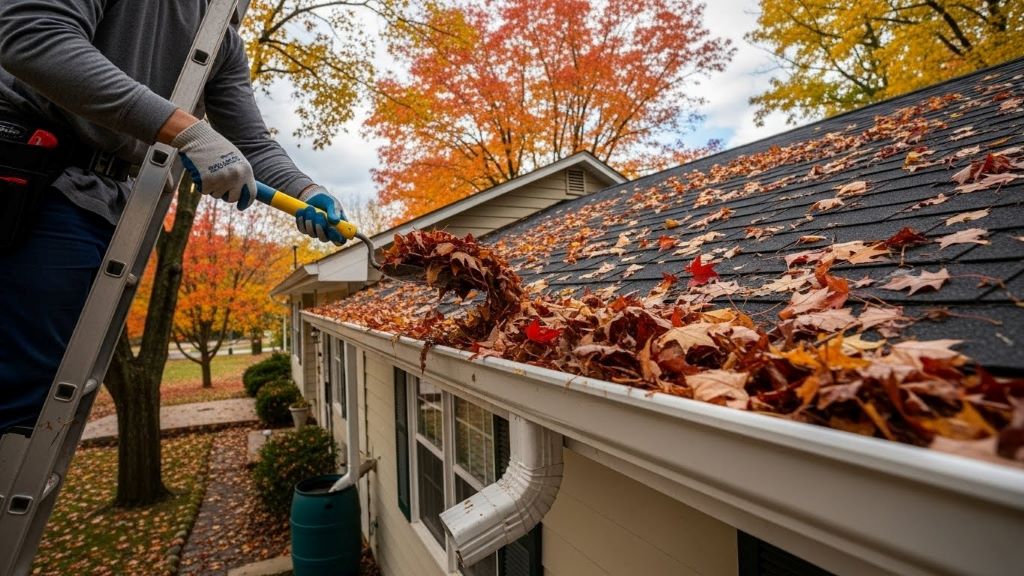
Fall inspections prepare your roof for winter. Remove debris, clear gutters, and ensure proper drainage. Furthermore, examine seals around vents, chimneys, and skylights. These vulnerable points often develop leaks as materials expand and contract with temperature changes.
Key Areas Requiring Regular Attention
Shingles and Surface Materials
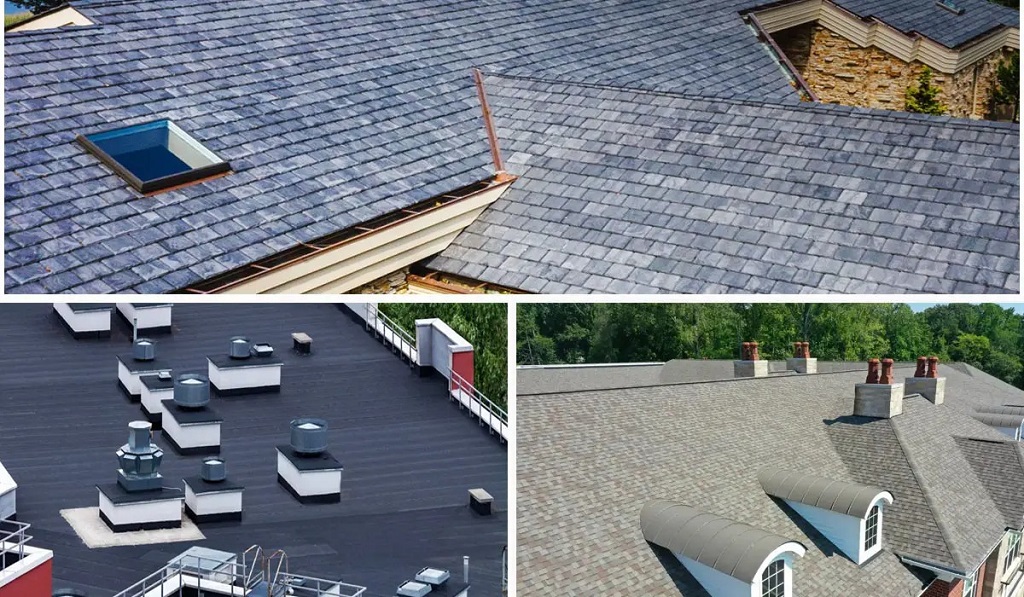
Inspect shingles carefully during each examination. Look for curling edges, cracks, or missing pieces. Asphalt shingles develop granule loss over time, exposing underlying materials to weather. Replace damaged shingles promptly to prevent water penetration.
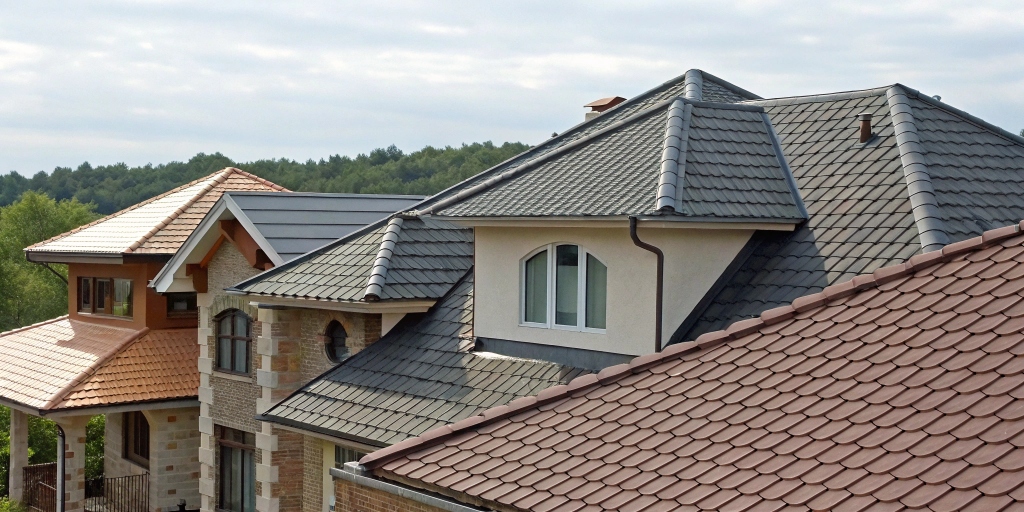
Metal roofs require different attention. Check for rust spots, loose fasteners, and damaged coating. Meanwhile, tile roofs need inspections for cracked or broken tiles that compromise weatherproofing.
Flashing and Seals
Flashing directs water away from roof penetrations and valleys. These metal strips around chimneys, vents, and skylights prevent leaks at vulnerable junctions. Consequently, damaged flashing causes most roof leaks.
Examine flashing for rust, cracks, or separation from roofing materials. Sealant deteriorates over time, creating gaps where water enters. Reapply sealant as needed, especially around chimneys and vent pipes.
Gutters and Drainage Systems
Gutters channel water away from your roof and foundation. Clogged gutters cause water backup, leading to roof damage and foundation problems. Clean gutters at least twice yearly, removing leaves, twigs, and debris.
Additionally, check downspouts for proper water flow. Ensure they direct water at least five feet from your foundation. Install gutter guards to reduce cleaning frequency and prevent blockages.
Attic Ventilation and Insulation
Proper attic ventilation prevents moisture buildup and temperature extremes. Poor ventilation causes ice dams in winter and excessive heat in summer. Both conditions damage roofing materials and increase energy costs.
Check attic insulation regularly. Adequate insulation maintains consistent temperatures and reduces energy bills. Moreover, inspect for signs of water damage, mold, or pest infestations during attic visits.
Common Roofing Problems and Solutions
Leak Detection and Repair
Water stains on ceilings indicate active leaks. However, leak sources often appear far from interior damage due to water’s tendency to travel along roof structures. Trace stains to their origin during inspections.
Small leaks require immediate attention. Even minor water infiltration damages insulation, promotes mold growth, and weakens structural components. Apply roofing cement to small holes or cracks as temporary fixes, then schedule professional repairs.
Moss and Algae Growth
Moss and algae thrive in damp, shaded roof areas. These organisms retain moisture, accelerating shingle deterioration. Remove growth carefully using appropriate cleaning solutions recommended by roofing manufacturers.
Prevention works better than removal. Trim overhanging branches to increase sunlight exposure. Install zinc or copper strips near roof ridges, as rainwater washing over these metals inhibits organic growth.
Storm Damage Assessment
Severe weather damages roofs in various ways. High winds lift shingles, hail creates dents and cracks, and falling branches cause immediate structural damage. Inspect your roof after significant storms, documenting any damage for insurance purposes.
According to the Insurance Information Institute, hail damage accounts for billions in insurance claims annually. Take storm damage seriously and contact professionals for thorough assessments.
Professional Maintenance Services
While homeowners handle basic maintenance, professional roofers provide expertise for complex issues. Schedule professional inspections every three to five years, or more frequently for older roofs.
Professional roofers identify problems invisible to untrained eyes. They possess specialized equipment and safety gear for thorough examinations. Furthermore, they provide detailed reports documenting roof condition and recommended repairs.
DIY Maintenance Safety Guidelines
Roof work involves significant safety risks. Never attempt repairs during wet, windy, or icy conditions. Wear non-slip shoes with good traction and use proper safety equipment including harnesses when necessary.
Consider hiring professionals for steep or high roofs. The cost of professional services pales compared to injury risks. Additionally, professionals carry insurance protecting homeowners from liability.
Cost-Effective Maintenance Strategies
Preventive maintenance costs significantly less than reactive repairs. Budget for annual roof maintenance, setting aside funds for minor repairs and professional inspections.
Keep detailed maintenance records documenting inspections, repairs, and material replacements. These records prove valuable when selling your home and help identify recurring problems requiring attention.
Extending Your Roof’s Lifespan
Simple habits extend roof life considerably. Keep trees trimmed away from your roof, preventing branch damage and reducing debris accumulation. Clean gutters regularly, ensuring proper water drainage.
Address small problems immediately. Minor repairs cost little compared to major replacements. According to HomeAdvisor, average roof replacement costs range from $5,000 to $25,000, while minor repairs typically cost a few hundred dollars.
Environmental Considerations
Sustainable roofing practices benefit both your wallet and the environment. Choose energy-efficient roofing materials that reflect heat and reduce cooling costs. Consider cool roof coatings that lower surface temperatures.
Proper maintenance reduces waste by extending roof life. Additionally, many roofing materials are recyclable. Ask contractors about recycling options when replacing roofing components.
Warranty Protection and Documentation
Maintain warranty documentation for roofing materials and installation work. Many manufacturers require regular maintenance for warranty validity. Follow specified maintenance procedures and keep detailed records proving compliance.
Understand warranty coverage limitations. Some warranties cover materials only, while others include labor. Know expiration dates and renewal requirements to maximize protection.
Conclusion
Regular roof maintenance protects your home’s integrity and your financial investment. Seasonal inspections, prompt repairs, and professional assessments prevent costly damage and extend roof lifespan. Additionally, proper maintenance maintains property value and ensures family safety. Implement these recommendations consistently, and your roof will provide reliable protection for decades.
Remember that proactive care always costs less than reactive repairs. Therefore, schedule inspections, address problems promptly, and invest in professional services when needed. Your roof works hard protecting everything beneath it, so give it the attention it deserves.
Frequently Asked Questions
How often should I inspect my roof?
Inspect your roof at least twice yearly, during spring and fall. Additionally, examine it after severe storms or extreme weather events. Professional inspections should occur every three to five years.
What are signs my roof needs immediate repair?
Look for water stains on ceilings, missing or damaged shingles, sagging roof sections, granules in gutters, and daylight visible through attic boards. These signs indicate urgent problems requiring professional attention.
Can I clean my roof myself?
You can perform basic cleaning like removing debris and washing away algae. However, avoid walking on steep roofs or using high-pressure washers that damage shingles. Consider hiring professionals for extensive cleaning projects.
How long does a typical roof last?
Roof lifespan varies by material. Asphalt shingles last 15 to 30 years, metal roofs 40 to 70 years, and tile roofs 50 years or more. Regular maintenance significantly extends these timeframes.
Does homeowner’s insurance cover roof repairs?
Insurance typically covers sudden damage from storms, falling trees, or other covered perils. However, it rarely covers wear and tear from poor maintenance. Review your policy and maintain documentation of regular roof care.
Related Topics:
Understanding Labour’s Rooftop Revolution
DIY Roof Maintenance: Simple Steps to Extend Your Roof’s Life