How to Maintain and Clean the OVENTE 1000W Single Burner Hot Plate
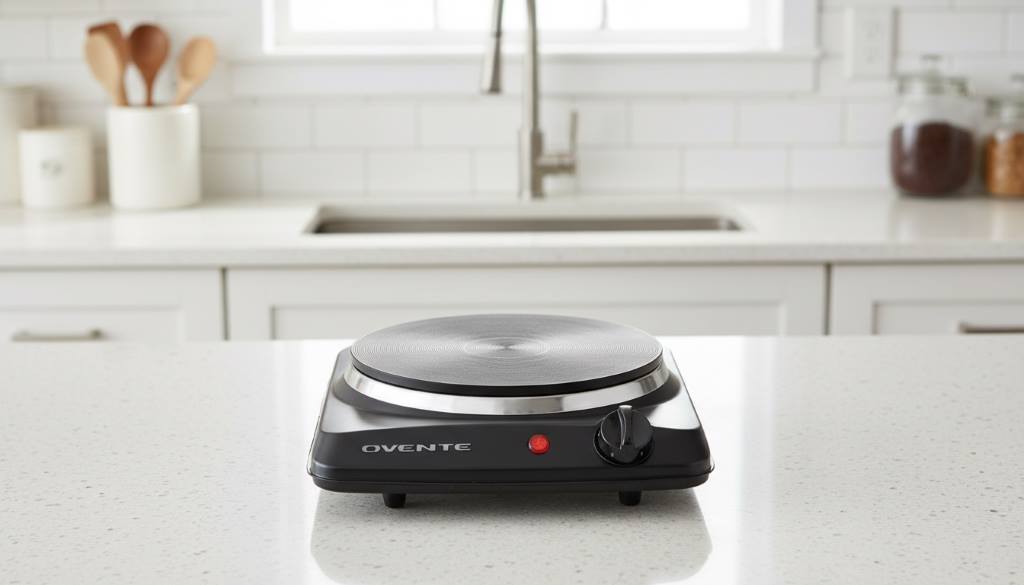
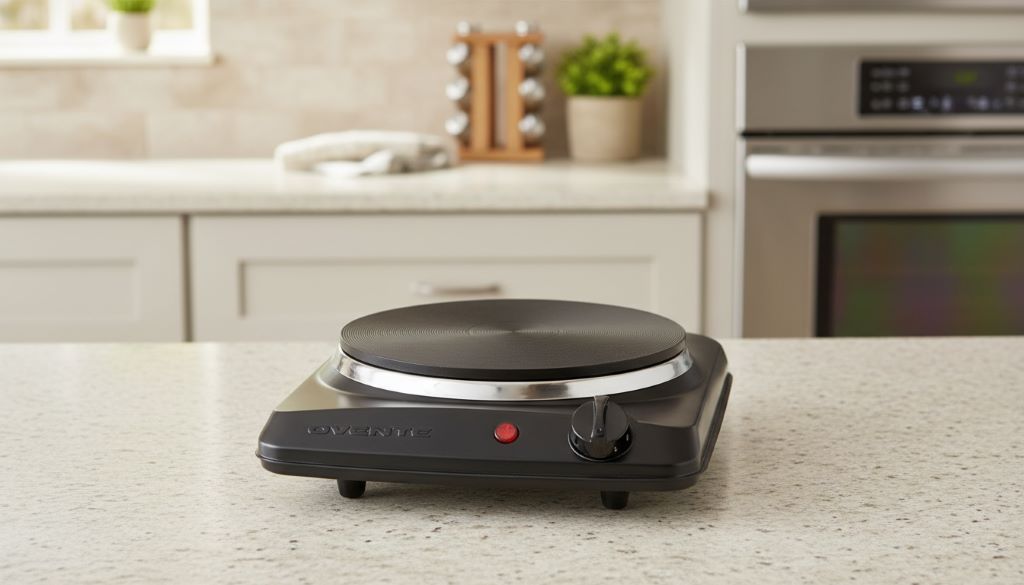
Small kitchens, dorm rooms, and camping trips often rely on compact cooking tools. The OVENTE 1000W Single Burner Hot Plate delivers quick, portable heat for everyday meals. However, proper care keeps it efficient and safe over time.
If you own or plan to buy the OVENTE 1000W Single Burner Hot Plate, you already appreciate its simple design and fast heating. Yet electric hot plate safety starts with regular maintenance. The National Fire Protection Association notes that cooking equipment sparks nearly half of all reported home fires. Additionally, the U.S. Consumer Product Safety Commission records thousands of burn injuries each year from hot surfaces. Simple cleaning and care habits prevent most problems and extend your hot plate’s life.
This guide walks you through every step. You will learn daily wipes, deep cleans, smart storage, and key safety practices. Follow these tips to keep your burner spotless and ready for action.
Why Regular Maintenance Matters
Portable burners face tough conditions. Spills, grease splatters, and heat cycles build up quickly. Neglect leads to stuck-on residue that reduces heating efficiency.
Moreover, grime traps heat unevenly. This forces the coil or plate to work harder and shortens its lifespan. Clean surfaces also stop bacteria growth, especially with food spills.
Safety rises sharply with upkeep. Built-up grease can ignite. The NFPA links unattended cooking and dirty equipment to many fires. Regular care cuts those risks significantly.
Finally, a well-maintained hot plate saves energy. Clean coils transfer heat better, so meals cook faster with less power.
Gather Your Cleaning Supplies
Start with the right tools. You need only basic household items.
Collect these essentials:
- Mild dish soap
- Soft sponges or microfiber cloths
- Baking soda (for stubborn spots)
- White vinegar (natural cleaner)
- Soft-bristle brush (optional for coils)
- Dry towels
Avoid harsh abrasives like steel wool. They scratch surfaces and damage coatings. Never use bleach or oven cleaners unless the manual allows them.
Always unplug the unit and let it cool completely before you begin. This prevents burns and electrical hazards.
Daily Cleaning Routine
Quick daily wipes keep problems from building. Act while the unit is still slightly warm but safe to touch. Residue lifts easier then.
First, unplug the hot plate. Wait until the surface feels cool.
Next, wipe the cooking plate with a damp, soapy cloth. Remove fresh spills and splatters right away. Use gentle circular motions.
Then, clean the body and controls. Dust and fingerprints accumulate fast. A quick pass with a damp cloth restores the shine.
Finally, dry everything thoroughly. Moisture invites rust on metal parts.
This routine takes under five minutes. Yet it prevents most deep-cleaning headaches.
Deep Cleaning the Cooking Surface
Perform a thorough clean weekly or after heavy use. Focus on burnt-on food and grease.
Begin with the unit unplugged and fully cooled.
For cast-iron style plates common on OVENTE models, sprinkle baking soda over stains. Add a few drops of water to form a paste. Let it sit for 15-20 minutes.
Afterward, scrub gently with a soft sponge. The paste lifts residue without scratching.
Rinse the cloth often. Wipe away all baking soda traces.
For tougher spots, mix equal parts vinegar and water. Spray it on, wait five minutes, then wipe. Vinegar cuts grease naturally.
Dry the surface completely. A microfiber cloth works best to avoid streaks.
Some users remove drip pans if present. Soak them in hot, soapy water. Scrub and rinse separately.
Never submerge the electrical base. Water damage ruins the unit instantly.
Cleaning Electric Coils (If Your Model Has Them)
Certain single burners feature removable coils. Handle them carefully.
First, lift coils out after they cool. Check your model—many OVENTE units have sealed cast-iron plates, but some allow removal.
Wipe coils with a damp cloth. Avoid soaking them.
For burnt bits, create a baking soda paste. Apply sparingly and scrub lightly along the coil direction.
Clean drip pans separately. Soak in hot water with dish soap for 30 minutes. Scrub with a non-abrasive pad.
Dry coils and pans fully before reinstalling. Moisture causes shorts or rust.
Reconnect firmly. Loose coils heat unevenly and pose fire risks.
Maintaining the Base and Controls
The base collects dust and spills too. Clean it regularly.
Wipe the stainless or painted body with a damp cloth. Mild soap handles sticky spots.
Pay attention to knobs and indicators. Food particles jam controls over time.
Use a cotton swab dipped in vinegar for tight spaces. This removes grime without excess moisture.
Check the power cord weekly. Look for fraying or cracks. Damage demands immediate replacement.
Store the cord loosely coiled. Tight wraps stress wires and shorten life.
Related:
Watch out for these outdated kitchen features
From Concept to Completion Seamless Kitchen Renovation
Electric Hot Plate Safety Essentials
Safety never takes a backseat. Follow these core rules every time you cook.
Always place the hot plate on a stable, heat-resistant surface. Avoid wooden counters without protection.
Keep flammable items at least three feet away. Curtains, paper towels, and sleeves catch fire easily.
Never leave the burner unattended while on. Most cooking fires start this way.
Use only cookware that matches the plate size. Overhanging pots tip and spill hot food.
Supervise children and pets closely. Hot surfaces cause severe burns quickly.
Unplug after each use. This eliminates accidental activation.
Check for damage before plugging in. Cracked plates or exposed wires mean stop using it.
In damp areas, use GFCI outlets. They cut power fast if water contacts electricity.
Finally, keep a fire extinguisher nearby. Know how to use it on electrical and grease fires.
Troubleshooting Common Problems
Even well-cared-for units face occasional issues. Spot them early.
If heating feels slow, clean the surface thoroughly. Residue insulates and blocks heat transfer.
Uneven cooking often signals loose coils or warped drip pans. Tighten or replace as needed.
Strange smells during first uses are normal. They come from manufacturing oils burning off. Run the empty unit outside briefly.
Persistent odors later suggest spilled food burning. Deep clean immediately.
If the unit fails to heat, check the outlet first. Try another appliance to confirm power.
Inspect the cord and plug for damage. Frayed wires need professional repair.
Overheating may indicate blocked vents. Keep the base clear of dust.
Proper Storage Practices
Smart storage extends life between uses.
Always cool the unit completely. Packing it hot traps moisture and promotes rust.
Wipe down all surfaces. Remove any food traces before storing.
Choose a dry, cool cabinet. Avoid humid spots like under sinks.
Stand the hot plate upright if possible. This prevents pressure on the cooking surface.
Cover with a breathable cloth. It blocks dust without trapping moisture.
Keep the cord loosely looped. Never wrap it tightly around the unit.
Store away from heavy items. Pressure cracks plates over time.
Long-Term Care Tips
Small habits add years to your hot plate.
Rotate cookware types. Heavy cast iron evens wear on the plate.
Avoid extreme temperature swings. Do not pour cold water on a hot surface—it cracks cast iron.
Use medium heat for most tasks. Reserve high only for boiling.
Preheat gradually. Sudden max heat stresses components.
Inspect monthly for wear signs. Early catches prevent bigger repairs.
Follow the manufacturer’s guidelines always. They know the design best.
Benefits of a Clean Hot Plate
The payoff shows quickly. Food cooks faster and more evenly.
You use less energy. Clean surfaces transfer heat efficiently.
Meals taste better. No burnt residue flavors transfer to new dishes.
Your kitchen stays safer. Reduced fire and burn risks protect everyone.
The unit looks new longer. Shine impresses guests and feels satisfying.
Conclusion
Regular care keeps your OVENTE 1000W Single Burner Hot Plate reliable for years. Daily wipes prevent buildup. Weekly deep cleans tackle tough spots. Smart safety habits protect you and your home.
Start today. Unplug your hot plate, give it a quick clean, and check for damage. These small steps deliver big results—efficient cooking, lower risks, and lasting performance.
Enjoy safer, better meals every time you fire it up.
FAQs
How often should I clean my OVENTE hot plate?
Clean lightly after each use. Perform a deep clean weekly or after messy cooking sessions. This prevents residue buildup and maintains efficiency.
Can I submerge the hot plate in water?
Never submerge any part. Water damages electrical components instantly. Wipe with damp cloths only and dry thoroughly.
What removes burnt-on food best?
Baking soda paste works wonders. Let it sit, then scrub gently. Vinegar solutions help with grease too.
Is it safe to use outdoors?
Use it in well-ventilated areas only. Avoid rain or high humidity. Follow all indoor safety rules outdoors as well.
Why does my hot plate smell when new?
New units burn off manufacturing oils. Run it empty on high outside briefly. The smell fades after a few uses.
References
- OVENTE Cast-Iron Burner Manual: https://ovente.com/media/wysiwyg/manual/BGS101B_im.pdf
- NFPA Cooking Safety Facts: https://www.nfpa.org/News-and-Research/Data-research-and-tools/US-Fire-Problem/Cooking
- CPSC Home Heating Equipment Safety: https://www.cpsc.gov/Safety-Education/Safety-Guides/Home-Heating-Equipment
- University of Wisconsin Hot Plate Safety Guidelines: https://safety.engr.wisc.edu/wp-content/uploads/sites/706/2019/10/Hot-Plate-Safety-Guideline.pdf