Why DIY Shelf Installations Fail in Columbus, OH
Many homeowners feel confident about installing shelves themselves. After all, a shelf appears simple. However, what starts as a quick weekend project often ends with crooked shelves, damaged walls, or even complete shelf collapse. That is why understanding why DIY shelf installations fail in Columbus, OH matters before picking up a drill.
According to the U.S. Census Bureau, more than 65 percent of occupied housing units in Ohio are owner occupied homes. Meanwhile, data from the U.S. Consumer Product Safety Commission shows that thousands of furniture and fixture related injuries occur annually due to improper installation and mounting practices. As a result, shelf installation mistakes remain a common household problem.
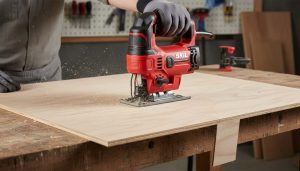
Before mounting any shelving system, homeowners often need to redrill screw holes accurately when measurements are slightly off. Although that sounds simple, even minor alignment errors can weaken support points and create long term stability issues.
Understanding the causes of installation failures can help homeowners avoid costly repairs, improve safety, and create shelves that remain secure for years.
Common Wall Construction Challenges in Columbus Homes
One major reason DIY shelf installations fail in Columbus, OH is the variety of wall materials found throughout local homes. Older neighborhoods often contain plaster walls, while newer properties typically use drywall over wood or metal studs.
Many homeowners assume every wall can support shelving in the same way. However, different wall structures require different anchors, fasteners, and installation methods. Consequently, using the wrong hardware often leads to loose shelves and wall damage.
In many renovation projects, homeowners discover issues similar to those discussed when deciding replace your wardrobe doors, where hidden structural conditions influence the final outcome more than expected.
Older Plaster Walls Create Unique Problems
Plaster walls can crack during drilling. In addition, anchors designed for drywall often perform poorly in plaster. Therefore, shelves mounted without proper planning may loosen over time.
Drywall Alone Cannot Carry Heavy Loads
Many people mistakenly rely on drywall anchors for heavy shelving. Although some anchors perform well under moderate loads, drywall itself lacks the structural strength necessary for substantial weight.
Inaccurate Measurements Lead to Weak Installations
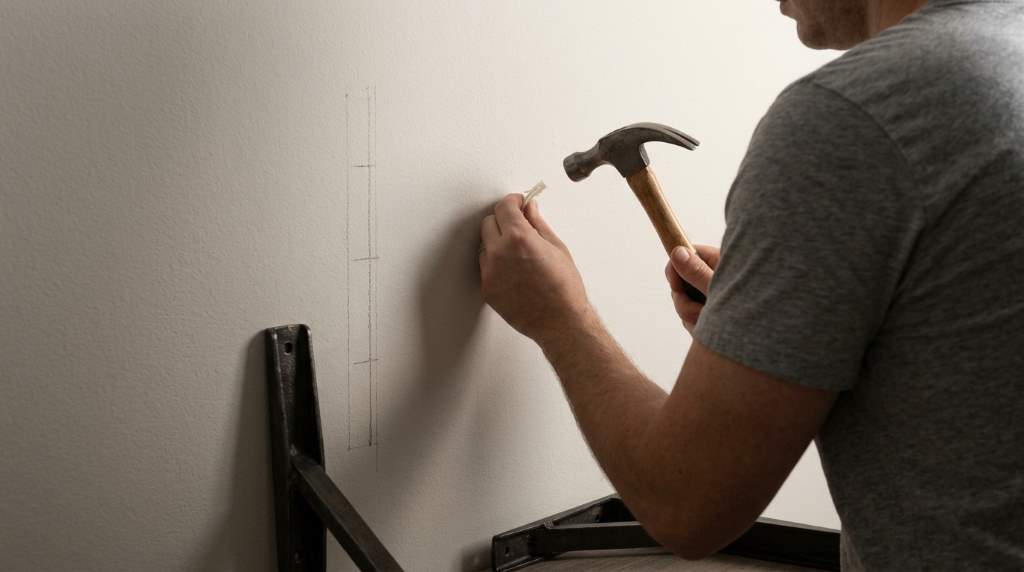
Measurement mistakes represent another major cause of shelf failure. Even small errors can create uneven load distribution, causing stress on brackets and mounting points.
Homeowners frequently rush through the planning phase because the project appears straightforward. Nevertheless, successful installations depend on precise spacing, level alignment, and stud positioning.
Stud Location Errors
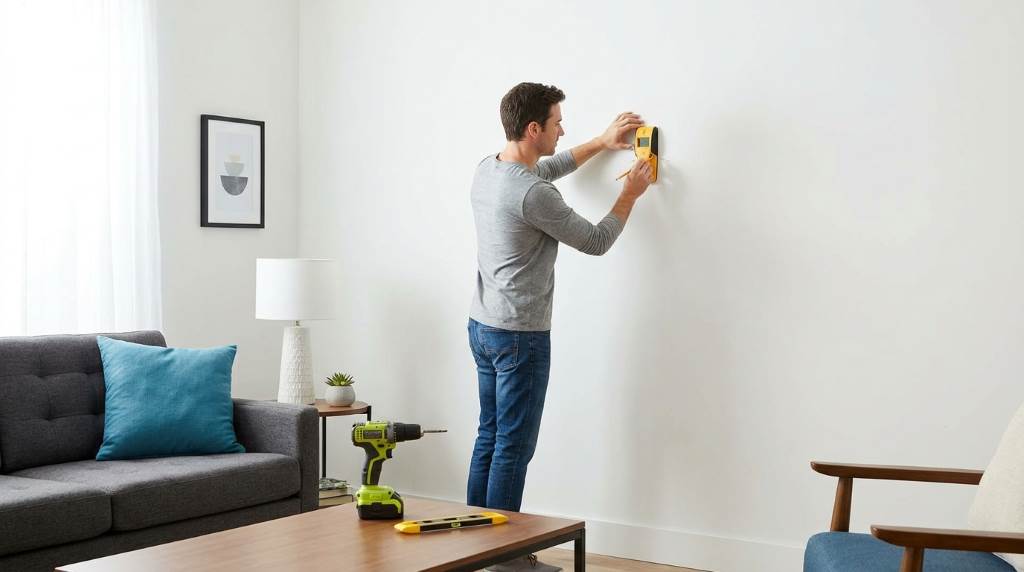
Many DIY installers believe they have found a wall stud when they have actually hit empty space. As a result, screws may only grip drywall, creating a dangerous situation once weight is added.
Uneven Bracket Placement
When brackets sit at slightly different heights, shelves can tilt. Over time, the uneven pressure increases stress on mounting hardware and raises the likelihood of failure.
Why Small Errors Become Big Problems
A difference of only a few millimeters may seem insignificant. Yet once books, decorations, or storage containers are placed on the shelf, that small error can magnify structural stress considerably.
Using the Wrong Fasteners and Anchors
Hardware selection plays a critical role in shelf performance. Unfortunately, many DIY projects fail because homeowners use whatever screws or anchors they already have available.
The same attention to material compatibility seen when learning fix chipped laminate flooring should also apply to shelving hardware. Choosing products designed for specific surfaces dramatically improves results.
Anchor Types Matter
Plastic expansion anchors, toggle bolts, molly bolts, and structural screws all serve different purposes. Therefore, selecting the correct option requires understanding wall composition and expected load capacity.
Incorrect Screw Length
Screws that are too short cannot secure brackets effectively. On the other hand, screws that are excessively long may damage hidden utilities or create unnecessary complications during installation.
Ignoring Weight Distribution Requirements
Many homeowners focus on how a shelf looks rather than how much weight it must support. Consequently, shelves often fail after being loaded with books, electronics, collectibles, or storage bins.
Proper weight distribution remains one of the most overlooked aspects of shelf installation.
Concentrated Loads Create Stress Points
When heavy objects sit in the center of a shelf, pressure increases significantly. As a result, shelves may sag, brackets may bend, and mounting points may weaken.
Long Shelves Need Additional Support
Longer shelves require more brackets than shorter ones. Without adequate support, the shelf experiences excessive flexing that eventually leads to failure.
Environmental Factors Affect Shelf Stability
Columbus experiences seasonal humidity changes throughout the year. Those fluctuations can influence both wall materials and shelving components.
Interestingly, many interior design discussions, including trends around dusty blue living room updates, focus on appearance. However, environmental conditions often have an equally important impact on long term durability.
Wood Expansion and Contraction
Natural wood expands when humidity rises and contracts when conditions become drier. Over time, these movements can loosen fasteners and affect shelf alignment.
Moisture Related Wall Movement
Seasonal changes can cause minor wall movement. Although usually subtle, repeated expansion and contraction cycles may gradually weaken mounting points.
Overlooking Electrical and Plumbing Obstacles
Many homeowners drill into walls without fully understanding what lies behind them. Unfortunately, hidden electrical wiring and plumbing lines create significant risks.
While direct damage does not always occur, fear of hitting utilities often causes installers to place shelves in less secure locations. Consequently, support quality suffers.
Electrical Wiring Concerns
Modern homes contain wiring throughout interior walls. Therefore, identifying safe drilling zones remains essential before installation begins.
Hidden Plumbing Lines
Bathrooms, kitchens, and laundry rooms often contain concealed pipes. Careful planning helps prevent accidental damage and installation compromises.
The Psychology Behind DIY Shelf Failures
An overlooked factor involves homeowner confidence. Many people assume shelf installation requires minimal expertise because the project appears simple.
Unfortunately, that confidence sometimes leads to shortcuts. For example, installers may skip stud finding, ignore weight calculations, or rely solely on visual estimates.
As a result, errors accumulate. Individually, each mistake may seem minor. Collectively, they create conditions that dramatically increase failure risk.
How to Prevent DIY Shelf Installation Problems
Avoiding common mistakes starts with preparation. Homeowners who spend more time planning generally achieve stronger and safer results.
Follow a Structured Installation Process
- Identify wall type.
- Locate studs accurately.
- Measure multiple times.
- Select proper anchors and screws.
- Confirm shelf weight requirements.
- Use a level throughout installation.
- Test stability before adding heavy items.
Invest Time in Planning
Careful preparation often determines whether a shelf lasts for months or many years. Therefore, slowing down during planning usually saves time later.
Understand Load Capacity
Every shelf system has limitations. Knowing those limits allows homeowners to use shelves safely without placing unnecessary stress on mounting hardware.
Conclusion
DIY shelf installations fail in Columbus, OH for several reasons, including inaccurate measurements, improper hardware selection, poor weight distribution, environmental factors, and misunderstanding wall construction. Although shelving projects seem straightforward, they require careful planning and attention to structural details.
Successful installations depend on matching hardware to wall materials, locating studs correctly, accounting for weight loads, and following proven installation methods. By approaching the project thoughtfully, homeowners can create shelves that remain secure, level, and durable.
Before starting your next shelving project, take time to evaluate your wall structure, gather the correct hardware, and verify every measurement. That extra preparation can make the difference between a sturdy installation and a frustrating failure.
Frequently Asked Questions
Why do shelves pull away from the wall?
This usually happens when anchors or screws fail to reach solid structural support.
Can drywall alone support floating shelves?
Drywall alone rarely provides enough strength for heavy floating shelves.
How important is finding wall studs?
Studs provide the strongest mounting points and significantly improve shelf stability.
Does humidity affect shelf installations?
Yes, seasonal humidity changes can affect wood, walls, and mounting hardware over time.
What is the most common DIY shelf installation mistake?
Incorrect measurements and improper anchor selection cause many shelf failures.