How to Properly Clean and Store Your Climbing Rope
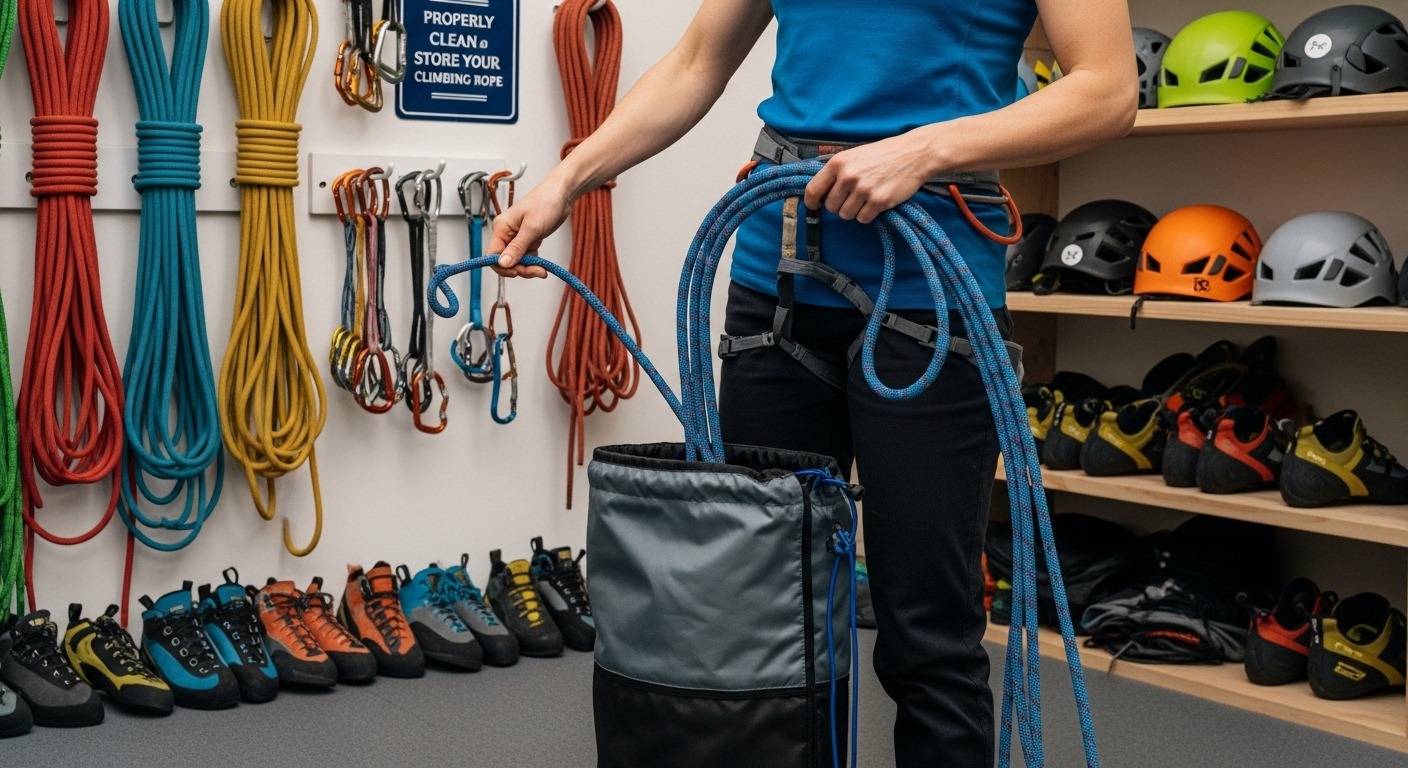
Wash your climbing rope with lukewarm water and rope-safe cleaner, rinse thoroughly, air dry away from direct sunlight, and store it loosely coiled in a cool, dry place using a rope bag.
Your climbing rope is life-support equipment. It absorbs shock, holds body weight, and handles friction against rock and hardware. Dirt, moisture, and improper storage slowly weaken fibers. Most climbers replace ropes due to wear, not because they reached their fall rating.
According to data from rope manufacturers such as Sterling and Mammut, accumulated dirt inside the sheath increases abrasion and reduces dynamic performance. In controlled lab tests shared by manufacturers, dirty ropes showed measurable stiffness increase and higher sheath wear compared to cleaned ropes under identical loads.
If you invest in quality gear like the ropes discussed in this rope washing tips resource, maintenance becomes critical. Cleaning and storage are not optional. They directly affect lifespan, safety, and handling performance.
This guide breaks down the exact process. Step by step. No fluff. Just what works.
Why Is Cleaning Your Climbing Rope Important?
Short answer: Dirt acts like sandpaper inside your rope, increasing abrasion and reducing strength over time.
Here’s the problem. Every climb exposes your rope to:
- Dust and fine grit
- Rock particles
- Chalk
- Moisture
- Salt (if climbing near the ocean)
These particles work their way into the sheath and core. Under load, they grind internal fibers. The result:
- Reduced flexibility
- Increased stiffness
- Faster sheath wear
- Compromised energy absorption
UIAA safety testing shows that dynamic ropes are engineered to stretch and absorb impact. Dirt reduces this elasticity. A stiff rope does not handle force as efficiently as a clean one.
Case example: In a controlled gear durability study published by European climbing equipment labs, ropes subjected to repeated dust exposure without cleaning showed accelerated sheath degradation after 30–40 simulated pitch cycles compared to regularly rinsed ropes.
The agitation: You might not see the damage immediately. But internal abrasion continues silently.
The solution: Routine cleaning based on usage frequency.
How Often Should You Wash a Climbing Rope?
Short answer: Wash your rope every 3–6 months with regular use, or immediately after heavy dirt exposure.
Frequency depends on:
- Indoor vs outdoor climbing
- Dry desert vs humid environment
- Top-rope vs lead climbing
- Frequency of use
| Climbing Type | Recommended Cleaning Frequency |
|---|---|
| Indoor Gym | Every 4–6 months |
| Outdoor Moderate Use | Every 3–4 months |
| Heavy Outdoor / Dusty Areas | After every major trip |
| Sea Climbing (Salt Exposure) | Immediately after exposure |
If the rope feels stiff or looks visibly dirty, do not delay washing.
What Are the Best Rope Washing Tips for Safe Cleaning?
Short answer: Use lukewarm water (30°C max), rope-specific cleaner or mild soap, gentle agitation, and thorough rinsing.
Step-by-Step Cleaning Process
1. Inspect Before Washing
Run the rope through your hands. Check for:
- Soft spots
- Flat sections
- Sheath damage
- Core exposure
If structural damage is present, retire the rope. Washing will not fix compromised fibers.
2. Use Proper Water Temperature
Keep water below 30°C (86°F). Hot water weakens nylon fibers.
3. Choose the Right Cleaner
- Rope-specific wash solutions (recommended)
- Mild non-detergent soap (backup option)
- Avoid bleach, fabric softener, or harsh detergents
4. Hand Wash or Use a Front-Load Machine
If using a washing machine:
- Front-load only
- No spin cycle
- No fabric softener
- Use rope bag or pillowcase
5. Rinse Thoroughly
Leftover soap attracts dirt. Rinse until water runs clear.
6. Air Dry Correctly
- Lay flat on a clean towel
- Away from direct sunlight
- No dryers
- No heaters
Drying may take 24–48 hours depending on humidity.
Can You Wash a Climbing Rope in a Washing Machine?
Short answer: Yes, but only in a front-load machine with gentle settings and no spin cycle.
Top-load machines with agitators can twist and stress the rope. That mechanical force may damage internal fibers.
Best practice:
- Place rope inside rope bag
- Select delicate cycle
- Cold or lukewarm water only
- Extra rinse cycle
Many manufacturers confirm that controlled machine washing is acceptable if instructions are followed.
How Should You Dry a Climbing Rope Safely?
Short answer: Air dry naturally in shade, never use heat.
Nylon weakens under high temperatures. Heat dryers accelerate aging. UV exposure also degrades fibers.
Best drying setup:
- Indoor shaded space
- Well-ventilated area
- Laid loosely, not tightly coiled
Do not hang from a single anchor point while wet. That concentrates weight in one section.
What Is the Best Storage Guide for Climbing Ropes?
Short answer: Store loosely coiled in a rope bag, in a cool, dry, dark environment away from chemicals.
Improper storage causes hidden degradation. Chemicals, moisture, and UV exposure reduce lifespan.
Ideal Storage Conditions
- Temperature: 10–25°C (50–77°F)
- Low humidity
- No direct sunlight
- Away from battery acid, fuels, solvents
Nylon is highly sensitive to acids. Even vapor exposure can cause molecular weakening.
Use a Rope Bag
Benefits:
- Reduces dirt exposure
- Prevents tangling
- Protects from UV
- Improves transport hygiene
How Long Does a Climbing Rope Last With Proper Care?
Short answer: 1–10 years depending on use intensity, even if unused ropes should be retired after 10 years maximum.
General manufacturer guidelines:
| Usage Level | Expected Lifespan |
|---|---|
| Heavy (Weekly Falls) | 1 year or less |
| Regular (Weekly Climbing) | 2–3 years |
| Occasional Use | 3–5 years |
| Unused Stored Rope | Up to 10 years |
Cleaning and correct storage push lifespan toward the upper range.
What Common Mistakes Should You Avoid?
Short answer: Avoid heat, chemicals, tight coiling, and long-term sun exposure.
- Using bleach or harsh detergents
- Machine drying
- Leaving rope in a hot car trunk
- Storing near car batteries
- Ignoring inspection after major falls
Each mistake compounds damage.
Conclusion: How Do You Protect Your Investment and Your Safety?
Your rope holds your life. Maintenance is not optional. It is part of climbing.
Clean it before dirt becomes internal abrasion. Dry it without heat. Store it in controlled conditions. Inspect it often.
Follow proper rope washing tips and a proven storage guide. The result:
- Better handling
- Longer lifespan
- Consistent performance
- Higher safety margin
If you’re choosing a high-quality rope, research matters. Start with expert comparisons and specifications before buying.
Action Step: Inspect your rope today. If it’s dirty or improperly stored, fix it now. Prevention is cheaper than replacement.
Frequently Asked Questions (FAQ)
1. Can dirt really weaken a climbing rope?
Yes. Dirt particles increase internal abrasion. Over time, this reduces flexibility and accelerates sheath wear.
2. Is it safe to use regular laundry detergent?
No. Many detergents contain chemicals that degrade nylon fibers. Use rope-specific cleaner or mild soap only.
3. Should I dry my rope in the sun?
No. UV radiation weakens nylon. Always dry in shade.
4. How do I know when to retire my rope?
Retire it if you find flat spots, core exposure, severe sheath damage, or after a major shock load.
5. Can I store my rope in the garage?
Only if the space is dry and free from chemical fumes. Avoid storage near fuels, batteries, or solvents.
6. Does washing reduce rope strength?
No. Proper washing removes damaging particles and preserves strength. Improper washing can cause harm.
7. What is the safest way to coil a rope for storage?
Use a loose butterfly coil or store directly inside a rope bag without tight bends.
Related Topic: How to Keep Pests Out This Fall – Essential Tips
Read Next: How to Maintain an Electric Deep Fryer with Oil Filtration