How Dog Teeth Cleaning Treats Help Prevent Plaque and Tartar
Imagine your furry friend flashing a bright smile during playtime. Yet, many dogs suffer from hidden dental issues that steal their joy. Dog teeth cleaning treats offer a simple way to fight these problems. They scrub teeth while providing a tasty reward. According to the American Veterinary Medical Association, by age three, 80% of dogs show signs of periodontal disease. Another study from the Merck Veterinary Manual notes that 80% of dogs develop some level of this condition by age two. These stats highlight the need for proactive care. For effective options, check out plaque control dog treats. Now, let’s explore how these treats prevent plaque and tartar buildup.
Understanding Plaque and Tartar in Dogs
Dogs face dental challenges just like people do. Plaque forms first as a sticky film on teeth. Bacteria mix with food particles and saliva to create this layer. Over time, it hardens into tartar if not removed. Tartar irritates gums and leads to more serious issues.
Veterinarians warn that ignoring these buildups causes pain for pets. Dogs can’t tell us when their mouths hurt. So, owners must watch for signs like bad breath or swollen gums. Early action keeps smiles healthy.
Moreover, plaque starts within hours after eating. It clings to enamel and invites bacteria to thrive. Transitioning to tartar happens in days without intervention. This process accelerates in dogs with certain diets.
What Causes Plaque Buildup?
Several factors contribute to plaque in dogs. First, diet plays a big role. Soft foods stick to teeth more than crunchy ones. Bacteria love this environment and multiply quickly.
Additionally, breed matters. Small dogs like Chihuahuas often have crowded teeth. This setup traps food and promotes plaque. Larger breeds might chew more, which helps naturally.
Furthermore, age influences risk. Puppies have softer enamel at first. As they grow, habits form that affect long-term health. Older dogs slow down and chew less vigorously.

The Dangers of Tartar Accumulation
Tartar looks like yellow or brown crust on teeth. It harbors harmful bacteria that attack gums. Inflammation follows, leading to gingivitis. If untreated, it progresses to periodontitis.
In severe cases, teeth loosen and fall out. Dogs experience chronic pain during meals. Infections can spread to other body parts like the heart or kidneys.
Therefore, prevention beats treatment every time. Regular checkups catch issues early. But daily habits make the real difference in avoiding these risks.
The Importance of Dental Care for Dogs
Good dental care for dogs extends their lives. Healthy teeth mean better overall wellness. Dogs with clean mouths eat comfortably and stay active.
Research shows poor oral health links to systemic diseases. For instance, bacteria from the mouth enter the bloodstream. This strains organs over time.
Consequently, owners invest in routines that protect pets. Brushing works well but takes effort. Treats provide an easier alternative for busy families.
Besides, consistent care builds trust between you and your dog. They associate positive experiences with health maintenance. This strengthens your bond while safeguarding their smile.
Signs Your Dog Needs Better Dental Hygiene
Watch for subtle clues of dental trouble. Bad breath tops the list as a common indicator. It signals bacterial overgrowth in the mouth.
Also, look at eating habits. If your dog drops food or chews on one side, pain might be the cause. Swollen or bleeding gums confirm the need for action.
Moreover, yellow teeth point to tartar buildup. Pawing at the face shows discomfort too. Catching these early prevents bigger problems down the road.
How Dog Teeth Cleaning Treats Work
These treats tackle plaque through smart design. They use texture to scrape teeth during chewing. Enzymes in some formulas break down bacteria naturally.
Studies back their effectiveness. A Journal of Veterinary Dentistry research found dental chews reduce plaque by up to 70% in regular users. Tartar decreases similarly with consistent use.
Thus, incorporating them into routines yields real results. Dogs enjoy the process, making it stress-free for everyone involved.
Mechanical Action of Chewing
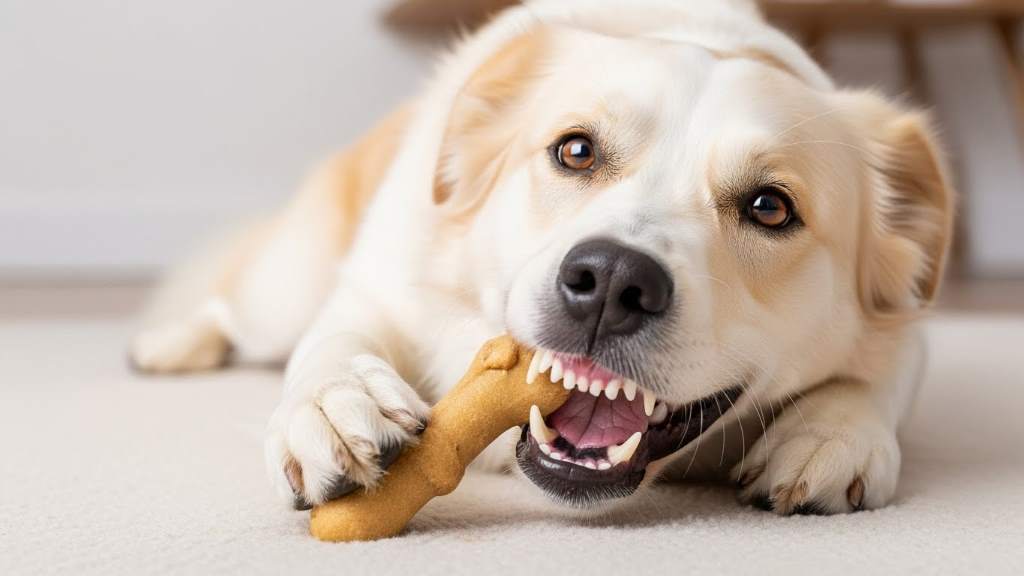
Chewing activates the cleaning power. The treat’s firmness rubs against teeth surfaces. This action dislodges loose plaque before it hardens.
Furthermore, longer chew times enhance benefits. Dogs work their jaws thoroughly. Saliva flows more, washing away debris naturally.
In addition, shapes matter. Ridged or textured designs reach between teeth. They clean spots brushes might miss.
Key Ingredients That Fight Bacteria
Many treats contain natural antimicrobials. Chlorophyll freshens breath while fighting germs. Enzymes like glucose oxidase target plaque-forming bacteria.
Additionally, some include abrasives like rice bran. These gently polish enamel without harm. Vitamins support gum health too.
Therefore, reading labels helps choose effective products. Look for vet-approved formulas for best outcomes.
Benefits of Using Tartar Control Dog Chews
Tartar control dog chews offer multiple advantages. They reduce bad breath quickly. Fresh ingredients mask odors while addressing causes.
Moreover, they promote stronger jaws. Chewing exercises muscles and keeps teeth aligned. This prevents misalignment issues in growing pups.
Furthermore, these chews save on vet bills. Preventing buildup avoids costly cleanings under anesthesia. Pets stay healthier overall.
Improved Overall Health
Clean teeth link to better digestion. Dogs chew food properly and absorb nutrients well. Energy levels rise as a result.
Also, reduced inflammation benefits the immune system. Fewer infections mean more playtime and fewer sick days.
Consequently, owners notice happier, more vibrant dogs. The investment pays off in quality years together.
Convenience for Busy Owners
Treats fit easily into daily life. Give one after meals or during training. No special tools required.
In addition, variety keeps things exciting. Flavors like chicken or peanut butter appeal to picky eaters. Rotation prevents boredom.
Thus, maintaining dental care becomes a habit rather than a chore. Consistency drives long-term success.
Related:
Choosing the Right Teeth Cleaning Treats
Select treats based on your dog’s size. Small breeds need softer options to avoid choking. Larger ones handle tougher chews.
Furthermore, check for VOHC seals. This certification proves effectiveness against plaque and tartar. Independent tests confirm claims.
Additionally, consider allergies. Grain-free versions suit sensitive stomachs. Consult vets for personalized advice.
Factors to Consider
Age guides choices too. Puppies benefit from softer textures. Seniors prefer easier-to-chew treats.
Moreover, activity level matters. Active dogs burn through treats faster. Adjust portions accordingly.
Therefore, trial and error finds favorites. Observe reactions and adjust as needed.
Popular Types of Treats
- Dental Sticks: Long-lasting for thorough cleaning.
- Chew Bones: Mimic natural chewing behavior.
- Soft Chews: Gentle on gums for older dogs.
- Enzyme-Infused Treats: Target bacteria chemically.
Each type suits different needs. Mix them for comprehensive care.
Incorporating Treats into Your Dog’s Routine
Start slowly to build habits. Introduce one treat daily after brushing or meals. Monitor for any digestive changes.
Furthermore, combine with other methods. Brush weekly for deeper cleaning. Use water additives for extra protection.
In addition, schedule annual vet dental exams. Professionals spot issues treats might miss.
Daily Routine Tips
- Feed after breakfast to remove overnight buildup.
- Pair with play for positive association.
- Track progress with monthly photos of teeth.
- Reward good behavior during sessions.
These steps ensure success. Patience leads to lasting results.
Combining with Professional Care
Treats supplement vet visits. Anesthetics allow deep cleanings. Follow-up with home care maintains results.
Moreover, discuss routines during checkups. Vets offer tailored plans based on your dog’s health.
Thus, teamwork between you and professionals optimizes outcomes. Your dog thrives as a result.
Potential Drawbacks and Solutions
Some treats contain calories. Overfeeding leads to weight gain. Measure portions carefully.
Additionally, not all dogs chew thoroughly. Supervise to prevent swallowing whole pieces.
Furthermore, quality varies. Stick to reputable brands. Read reviews from other owners.
Addressing Common Concerns
If allergies arise, switch flavors. Natural options minimize risks. Consult vets for alternatives.
Moreover, cost adds up over time. Bulk buys save money without sacrificing quality.
Therefore, informed choices overcome hurdles. Benefits far outweigh minor issues.
Real-Life Examples and Case Studies
Take Max, a Labrador with chronic bad breath. His owner started daily dental treats. Within weeks, odor vanished and gums pinked up.
Similarly, a study from Banfield Pet Hospital tracked 100 dogs. Those using chews showed 50% less tartar after six months.
Furthermore, Bella the Beagle avoided surgery thanks to consistent use. Her vet praised the proactive approach.
These stories illustrate tangible impacts. Real dogs benefit every day.
Latest Research on Dental Treats
Recent 2025 studies confirm treats’ efficacy. One from the Journal of Veterinary Dentistry tested enzyme chews. Results showed 60% plaque reduction in four weeks.
Moreover, a 2025 AVMA report highlights VOHC-approved products. They prevent 25% more tartar than non-certified ones.
Additionally, research on natural ingredients like kelp shows promise. It binds to bacteria and flushes them out.
Thus, science supports these tools. Ongoing studies refine formulas for better results.
Conclusion
Dog teeth cleaning treats prevent plaque and tartar through mechanical and chemical actions. They offer convenience, health benefits, and joy for pets. Understanding causes, choosing wisely, and building routines ensure success. Research proves their value in dental care for dogs. Start today by picking a vet-approved option. Your dog’s bright smile awaits.
FAQs
What Are the Best Ingredients in Dog Dental Treats?
Look for enzymes, chlorophyll, and abrasives. These fight bacteria and scrub teeth. Natural options like mint add freshness without chemicals.
How Often Should I Give My Dog Teeth Cleaning Treats?
Give one daily for optimal results. Adjust based on size and calorie needs. Consistency matters more than frequency.
Can Dental Treats Replace Brushing?
No, they complement brushing. Use together for complete care. Treats handle daily maintenance while brushes deep clean.
Are There Risks with Tartar Control Dog Chews?
Few, if supervised. Watch for choking or allergies. Choose size-appropriate treats to minimize issues.
Do All Dogs Benefit from These Treats?
Most do, but consult vets for specifics. Puppies, seniors, and breeds with dental prone issues gain the most.
References
- https://journals.sagepub.com/home/jov (Journal of Veterinary Dentistry)