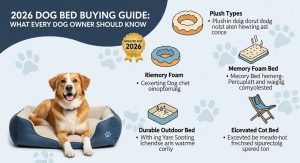
2026 Dog Bed Buying Guide: What Every Dog Owner Should Know
Choosing the right dog bed in 2026 is not just about comfort. It is about joint health, hygiene, durability, and aligning with modern pet care trends. With updated pet products entering the market each year, dog owners now face more options than ever. Memory foam, cooling gel layers, waterproof covers, orthopedic support systems, and eco-friendly materials are no longer premium add-ons. They are becoming standard expectations.
The problem? Many pet owners still buy beds based on size and price alone. That leads to flattened cushions, odor buildup, joint discomfort, and frequent replacements. According to the American Pet Products Association (APPA), U.S. pet owners spent over $136 billion on pets in 2024, with a significant increase in health-focused pet products. Yet product misuse and poor selection remain common.
This guide breaks down exactly what matters in 2026. You will learn how orthopedic options work, how updated pet products improve durability, and how to match a bed to your dog’s real needs. No fluff. Just clear, data-backed insights to help you make a smart purchase.
Why Is Choosing the Right Dog Bed More Important in 2026?
Short answer: Dogs are living longer, and joint-related issues are rising. The right bed directly impacts mobility, recovery, and long-term health.
Problem: Many dogs develop arthritis, hip dysplasia, and joint stiffness as they age. Large breeds are especially vulnerable. A standard polyester-filled bed compresses quickly, offering little support.
Agitation: Without proper support, pressure builds around hips, elbows, and shoulders. Over time, that can worsen inflammation and pain. Poor sleep affects energy levels and behavior.
Solution: Updated pet products now prioritize pressure relief. Orthopedic options use high-density memory foam or layered support cores to distribute weight evenly. Research from veterinary rehabilitation studies shows that supportive surfaces reduce pressure points and improve mobility recovery in older dogs.
In 2026, buying a dog bed is not about decoration. It is a health decision.

What Are the Most Important Features to Look for in Updated Pet Products?
Short answer: Focus on support density, waterproof protection, washable covers, durability testing, and material safety certifications.
Here are the core features modern buyers should prioritize:
- High-Density Foam (4–5 lb density): Prevents sagging and maintains structure.
- Orthopedic Layers: Memory foam or supportive base foam for joint relief.
- Waterproof Inner Liner: Protects against accidents and moisture.
- Machine-Washable Cover: Reduces bacteria and odor buildup.
- Non-Slip Bottom: Prevents sliding on tile or hardwood floors.
- CertiPUR-US or similar foam certification: Ensures low chemical emissions.
Water resistance is now considered essential. If you are evaluating waterproof protection, check this detailed guide on updated pet products like waterproof dog bed covers to understand how layered protection extends bed lifespan.
Durability testing has also improved. Many brands now publish compression resistance data, measured after 10,000+ pressure cycles. That transparency reflects changing pet care trends toward evidence-based purchasing.
Are Orthopedic Options Really Necessary for All Dogs?
Short answer: Not always, but they are strongly recommended for senior dogs, large breeds, and active dogs recovering from injury.
Problem: Some owners believe orthopedic beds are only for dogs with visible arthritis.
Agitation: Joint wear begins long before symptoms show. Large breeds such as Labradors and German Shepherds commonly develop hip issues by middle age. Without early support, damage accelerates.
Solution: Orthopedic options distribute weight evenly, reducing peak pressure around joints. Veterinary case observations show dogs with proper support surfaces often display improved sleep posture and easier rising movements.
For small, young dogs without joint issues, a supportive foam bed may suffice. But for breeds over 50 pounds or dogs older than 6–7 years, orthopedic foam is a preventive investment.
| Dog Type | Recommended Bed Type |
|---|---|
| Puppies | Supportive foam with washable cover |
| Adult small breeds | Medium-density foam |
| Large breeds | Orthopedic memory foam |
| Senior dogs | High-density orthopedic bed |
| Post-surgery recovery | Pressure-relief orthopedic mattress |
How Do Pet Care Trends Influence Dog Bed Design in 2026?
Short answer: Sustainability, smart materials, and hygiene-focused engineering are shaping the market.
Pet care trends now mirror human wellness trends. Owners demand safer materials and longer product lifespans.
1. Sustainable Materials
Recycled fabrics and plant-based foam alternatives are growing in demand. Eco-conscious buyers prefer low-emission manufacturing.
2. Temperature Regulation
Cooling gel layers and breathable mesh panels prevent overheating. This is critical in warmer climates.
3. Modular Construction
Replaceable covers and removable foam inserts extend product life. Instead of replacing the entire bed, owners replace only worn components.
4. Hygiene-Centric Design
Antimicrobial fabrics and waterproof liners prevent odor absorption and bacterial growth. This reduces the need for frequent deep cleaning.
These trends reflect data-driven purchasing behavior. Owners now read reviews, compare materials, and analyze durability claims before buying.
What Size Dog Bed Should You Buy?
Short answer: Measure your dog while sleeping and add 6–12 inches for full stretch comfort.
Problem: Many buyers estimate size based on breed alone.
Agitation: Individual dogs vary in length and sleeping style. Curlers need less space. Stretchers need more.
Solution:
- Measure nose to tail base while lying flat.
- Add 6 inches minimum.
- If between sizes, size up.
A cramped bed reduces comfort and may cause your dog to avoid using it.
How Often Should You Replace a Dog Bed?
Short answer: Every 1–3 years depending on foam quality and usage.
Signs you need replacement:
- Visible sagging
- Lumps or uneven surface
- Persistent odor after washing
- Flattened foam less than 2 inches thick
High-density orthopedic foam lasts longer than polyester-filled cushions. Investing upfront reduces replacement frequency.
Are Waterproof Dog Beds Worth It?
Short answer: Yes, especially for puppies, seniors, and outdoor use.
Problem: Accidents and spills penetrate foam easily.
Agitation: Moisture trapped inside foam causes odor, mold growth, and faster breakdown.
Solution: Waterproof liners or protective covers block liquid penetration while keeping foam intact.
This feature significantly extends product life and reduces long-term costs.
How Much Should You Spend on a Quality Dog Bed in 2026?
Short answer: Expect to spend $60–$200 depending on size and materials.
Budget breakdown:
- $30–$60: Basic foam or polyester fill
- $60–$120: Mid-range supportive foam
- $120–$200+: High-density orthopedic options
Higher cost usually reflects foam density and durability. Cheap beds often flatten within months.
What Common Mistakes Should Dog Owners Avoid?
Short answer: Avoid ignoring density specs, skipping waterproof protection, and underestimating size.
- Buying based only on aesthetics
- Choosing thin padding for large dogs
- Ignoring washable cover requirements
- Skipping non-slip bottom features
Smart buyers focus on function first. Design comes second.
Conclusion: What Is the Smartest Dog Bed Investment in 2026?
Dog beds are no longer simple cushions. They are part of your dog’s long-term health plan. Updated pet products reflect this shift. Orthopedic options reduce pressure on joints. Waterproof layers extend durability. Sustainable materials align with modern pet care trends.
Choosing correctly means fewer replacements, better sleep, and improved mobility for your dog. Measure properly. Check foam density. Prioritize washable and waterproof components.
Your dog spends 12–14 hours per day resting. That surface matters.
Ready to upgrade your dog’s comfort? Review modern waterproof protection solutions and explore health-focused options before making your next purchase. A small decision today can prevent bigger health issues tomorrow.
Frequently Asked Questions (FAQs)
1. What is the best type of dog bed for arthritis?
Orthopedic memory foam beds are best. They distribute weight evenly and reduce joint pressure. High-density foam prevents sagging.
2. Are cooling dog beds necessary?
Cooling beds help dogs in warm climates or breeds prone to overheating. Gel-infused foam improves airflow and temperature regulation.
3. How do I clean a dog bed properly?
Choose beds with removable, machine-washable covers. Waterproof liners protect internal foam from moisture damage.
4. Do puppies need orthopedic beds?
Puppies do not require orthopedic foam unless recommended by a vet. However, supportive foam ensures healthy joint development.
5. What thickness should a large dog bed be?
At least 4–6 inches of high-density foam is recommended for large breeds to prevent bottoming out.
6. Are expensive dog beds worth it?
Yes, if they use durable foam and waterproof protection. Higher upfront cost reduces frequent replacements.
7. How can I tell if a bed is high quality?
Check foam density, warranty length, washable components, and customer durability reviews.
Related Topic: How to Properly Clean and Store Your Climbing Rope
Read Next: How to Maintain an Electric Deep Fryer with Oil Filtration