How to Choose a Rice Cooker: A Beginner’s Guide
Rice feeds billions of people daily. Yet many beginners struggle to cook it perfectly on the stove. A good rice cooker changes that. It delivers consistent, fluffy results with little effort.
If you are just starting with choosing a rice cooker, you have many options. According to the Food and Agriculture Organization (FAO), global rice utilization will reach about 553 million tonnes in 2025/26. Moreover, rice remains a staple for over half the world’s population. This guide walks you through everything you need to know to pick the right one for your kitchen.
Why a Rice Cooker Belongs in Your Kitchen
People often ask why they need a dedicated rice cooker. Stovetop cooking works, but it demands constant attention. You watch the pot, adjust heat, and hope it does not boil over.
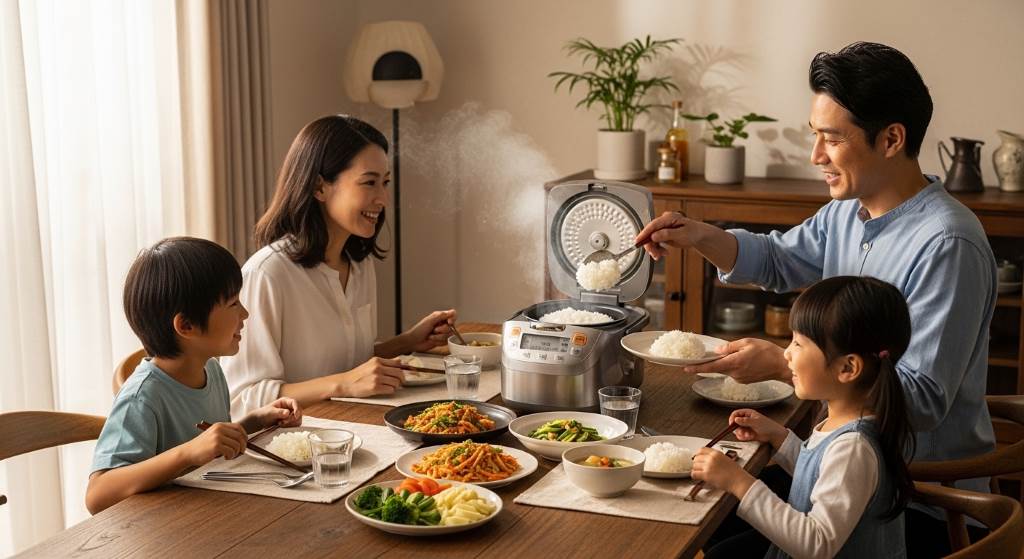
A rice cooker removes the guesswork. It senses when rice is done and switches to keep-warm mode automatically. Additionally, modern models handle different rice varieties, steam vegetables, cook oatmeal, or even bake cakes.
For busy households, this appliance saves time. You add rice and water, press a button, and walk away. The result? Perfect texture every single time.
Types of Rice Cookers Explained
Rice cookers come in several types. Each offers different levels of performance and convenience. Understanding them helps you decide which fits your needs.
Basic On/Off Rice Cookers
These models keep things simple. They have one switch: cook or warm. A heating plate at the bottom brings water to a boil. Once the water absorbs, the cooker flips to warm mode.
They work well for white rice and basic jasmine or basmati. However, they struggle with brown rice or mixed grains because they lack precise temperature control.
Beginners on a budget often start here. These cookers remain reliable and compact.
Micom (Fuzzy Logic) Rice Cookers
Micom stands for microcomputer. These cookers use sensors and fuzzy logic to adjust time and temperature throughout the cycle.
They detect rice type and water amount. Then they fine-tune the cooking process. This results in better texture for brown rice, sushi rice, or porridge.
Most micom models include menu settings for different grains. They also offer timer functions so rice finishes exactly when you need it.
Induction Heating (IH) Rice Cookers
Induction models represent the top tier. They use electromagnetic fields to heat the entire inner pot evenly, not just the bottom.
This even heat prevents hot spots and produces superior texture. Many experts consider IH cookers the gold standard for restaurant-quality rice at home.
They excel with tricky varieties like short-grain sushi rice or long-grain basmati. Additionally, they recover temperature faster when you open the lid.
Multifunctional Rice Cookers
Many modern cookers go beyond rice. They include settings for steaming, slow cooking, yogurt making, or even pressure cooking.
These models appeal to people who want one appliance for multiple tasks. However, they can take up more counter space and cost more.
If rice remains your main focus, a dedicated rice cooker often performs better than a jack-of-all-trades model.
How to Determine the Right Capacity
Capacity confuses many first-time buyers. Manufacturers list size in “cups” of uncooked rice. One rice cooker cup equals about 180 ml, slightly less than a standard U.S. cup.
A 3-cup cooker yields about 6 cups cooked rice. That serves 2-3 people comfortably.
A 5.5-cup model produces around 11 cups cooked. This size suits most families of 4-6.
A 10-cup cooker handles large gatherings or meal prep for the week.
Choose based on your typical batch size. Too large a cooker can cook unevenly when you make small amounts. Too small means multiple batches for guests.
Also consider storage space. Larger models need more room on the counter or in cabinets.
Essential Features to Look For
Modern rice cookers offer helpful features. Prioritize the ones that match your cooking habits.
Multiple Rice Settings
Look for dedicated settings for white, brown, sushi, GABA brown, or mixed rice. Brown rice needs longer cooking time. A specific setting ensures proper results.
Delay Timer
This lets you load rice and water in the morning. The cooker starts later so dinner is ready when you get home.
Extended Keep-Warm
Good models keep rice warm and moist for 12-24 hours without drying it out.
Quick Cook Option
Some offer a faster cycle for white rice when you need food in under 30 minutes.
Steam Basket
A included basket lets you steam vegetables or dumplings while rice cooks below.
Clear Water Lines and Measuring Cup
Accurate markings inside the pot make measuring foolproof.
Related:
Top 10 Budget-Friendly Rice Cookers for Everyday Meals
Premium Industrial Appliances for All Your Hospitality Needs
Inner Pot Materials and Build Quality
The inner pot affects performance and durability.
Non-stick coatings remain popular for easy cleaning. However, they can scratch over time.
Stainless steel pots last longer and work with metal utensils. They may need more scrubbing.
Ceramic coatings offer a non-stick alternative without PTFE. Many people prefer them for health reasons.
Thicker pots, especially in induction models, distribute heat better and last longer.
Check that the lid seals tightly. A good seal prevents steam loss and keeps rice moist.
Ease of Cleaning and Maintenance
Nobody wants a appliance that is hard to clean.
Removable inner lids and steam vents simplify wiping down.
Dishwasher-safe parts save even more time.
Look for models with smooth exteriors that resist fingerprints.
Regular descaling with vinegar keeps the heating plate in top condition.
Safety Features You Should Not Skip
Safety matters in any kitchen appliance.
Automatic shut-off prevents overheating.
Cool-touch exteriors stay safe to touch even during cooking.
Pressure release valves on multifunctional models protect against buildup.
A sturdy lid lock keeps steam inside.
Many models include overheat protection that cuts power if needed.
Energy Efficiency Considerations
Rice cookers use electricity efficiently compared to stovetop cooking. Induction models often lead in energy savings because they heat only the pot.
Look for models with eco or energy-saving modes.
Keep-warm functions on premium cookers use very little power, often less than a light bulb.
Overall, the energy difference between models remains small for occasional use.
Popular Brands to Consider
Several brands consistently earn praise from users and testers.
Zojirushi dominates the premium segment. Their induction and micom models set the standard for texture.
Tiger offers excellent induction cookers with strong performance.
Cuckoo brings innovative Korean technology and pressure options.
Aroma provides reliable budget and mid-range choices.
Hamilton Beach delivers simple, affordable models that perform well for basics.
Instant Pot multifunctional cookers appeal to those who want versatility.
Choose a brand with good customer support in your region.
Common Mistakes Beginners Make
Many people buy the wrong size. They pick too large and then struggle with small batches.
Others ignore rice type. A basic cooker works for white rice but disappoints with brown.
Some skip reading the manual. Each model has specific water ratios.
Finally, people forget to rinse rice first. Rinsing removes excess starch for better texture.
Conclusion
You now have the knowledge to pick the perfect rice cooker. Think about your household size, favorite rice types, and desired features. Start with your most common needs and build from there.
Take time to compare a few models. Read user reviews and watch cooking demonstrations. The right rice cooker will become one of your most-used appliances.
Ready to enjoy perfect rice every day? Measure your counter space, decide your capacity, and start shopping today.
FAQs
What size rice cooker should a family of four buy?
A 5.5-cup (uncooked) model works best for most families of four. It handles daily meals plus leftovers without taking too much space.
Can a rice cooker cook brown rice well?
Yes, but choose a micom or induction model with a brown rice setting. Basic cookers often leave brown rice undercooked or gummy.
How long does rice stay warm in a good cooker?
Premium models keep rice warm and moist for 12-24 hours. Basic models manage 8-12 hours before quality drops.
Do I need an expensive induction cooker?
Not necessarily. If you cook mostly white rice, a good micom model delivers excellent results for less money.
Is it safe to leave a rice cooker unattended?
Yes. All reputable models include automatic shut-off and safety features. Still, follow the manual and keep it away from curtains or flammable items.
References
- FAO Cereal Supply and Demand Brief: https://www.fao.org/worldfoodsituation/csdb/en
- Wirecutter – The Best Rice Cooker: https://www.nytimes.com/wirecutter/reviews/the-best-rice-cooker
- Serious Eats – Best Rice Cookers Tested & Reviewed: https://www.seriouseats.com/the-best-rice-cookers
- Bon Appétit – Best Rice Cookers 2025: https://www.bonappetit.com/story/best-rice-cookers