How to Prevent Aquarium Pump Overheating and Burnout
Aquarium pumps work tirelessly to keep your underwater ecosystem healthy and thriving. These essential devices circulate water, power filters, and ensure adequate oxygenation for your fish. However, pumps can overheat and burn out if not properly maintained, leading to equipment failure at the worst possible moment.
Understanding how to protect your pump from overheating saves you money and prevents potential disasters for your aquatic pets. When a pump fails, water quality can deteriorate rapidly, putting stress on fish and beneficial bacteria. This guide will help you identify common causes of pump problems and implement practical solutions to keep your equipment running smoothly.
Understanding How Aquarium Pumps Generate Heat
Every aquarium pump produces heat during normal operation. The motor converts electrical energy into mechanical energy, and this conversion process naturally generates warmth. In most cases, this heat dissipates harmlessly into the surrounding water and air.
Problems arise when heat accumulates faster than it can escape. The pump’s internal components start operating at temperatures beyond their design specifications. This excessive heat degrades lubricants, warps plastic components, and stresses electrical connections. Over time, these conditions lead to reduced efficiency and eventual failure.
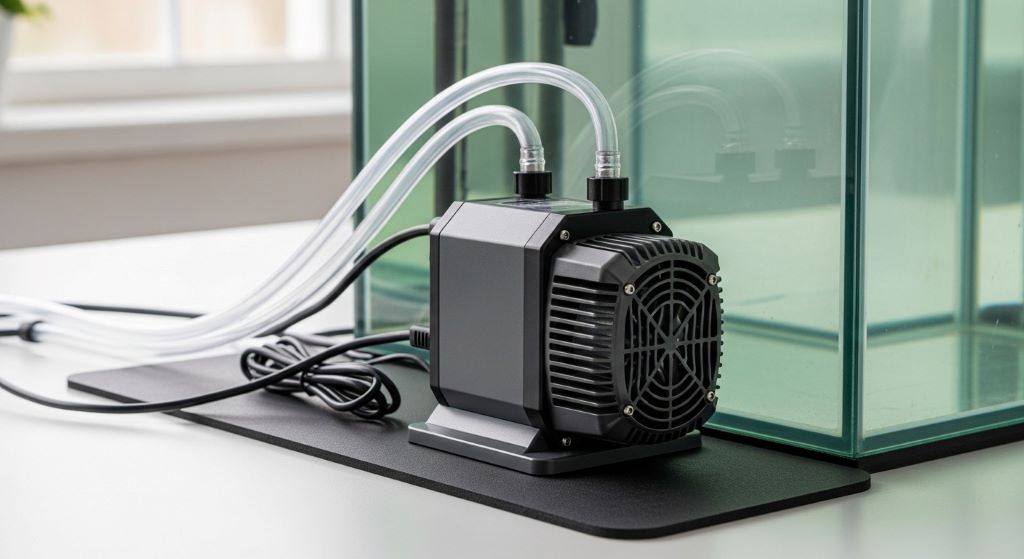
Different pump types generate varying amounts of heat. Submersible pumps release most of their heat directly into the aquarium water. External pumps dissipate heat into the surrounding air. Understanding your pump type helps you implement appropriate cooling strategies.
Recognizing the Warning Signs of Overheating
Catching overheating problems early prevents permanent damage. Your pump will usually give you warning signs before complete failure occurs. Learning to recognize these signals allows you to take corrective action quickly.
An unusually hot pump housing indicates a problem. While pumps normally run warm, you shouldn’t feel uncomfortable holding the exterior. If the surface feels too hot to touch comfortably, the pump is likely overheating.
Strange noises often accompany overheating issues. Grinding, clicking, or humming sounds that weren’t present before suggest internal components are struggling. These noises might indicate worn bearings, debris in the impeller, or inadequate lubrication.
Reduced water flow is another telltale sign. When a pump overheats, performance typically declines before complete failure. If you notice weaker circulation than normal, investigate the cause immediately.
The pump may shut off intermittently as a protective measure. Many modern pumps include thermal cutoff switches that temporarily disable the unit when it gets too hot. While this feature prevents immediate damage, it indicates an underlying problem that needs attention.
Ensuring Proper Ventilation and Airflow
Adequate ventilation is crucial for preventing overheating, especially with external pumps. These units rely on air circulation to dissipate heat from their motors and housings. Therefore, placement and surrounding environment significantly impact operating temperature.
Never enclose your pump in a completely sealed cabinet. Even if the space seems large enough, restricted airflow causes heat to accumulate. Leave at least three inches of clearance on all sides of the pump. This space allows air to circulate freely around the unit.
Consider adding small ventilation fans to enclosed cabinets or stands. Computer fans work perfectly for this purpose and cost very little. Position them to draw hot air away from the pump and bring cooler air into the space.
Keep the pump away from other heat-generating equipment. Placing multiple devices close together compounds heating problems. Separate your pump from heaters, light ballasts, and other electronics whenever possible.
Clean any ventilation slots or grilles regularly. Dust accumulation blocks airflow and reduces cooling efficiency. A quick wipe with a damp cloth every few weeks prevents buildup.
Maintaining Optimal Water Temperature
For submersible pumps, water temperature directly affects operating conditions. These pumps release their heat into the aquarium, which means hot water makes cooling more difficult. Additionally, high water temperatures can stress both the pump and your fish.
Monitor your tank temperature regularly with a reliable thermometer. Most tropical fish thrive between 75 and 80 degrees Fahrenheit. Temperatures consistently above 82 degrees can stress equipment and livestock.
If your aquarium runs hot, identify the source. Common culprits include oversized heaters, excessive lighting, or inadequate room cooling. Address the root cause rather than just treating symptoms.
Consider using a chiller for tanks that consistently run too warm. These devices actively cool aquarium water, reducing stress on all equipment including pumps. While chillers represent a significant investment, they solve persistent temperature problems effectively.
Reduce lighting duration during hot weather. Aquarium lights generate substantial heat, especially high-intensity systems. Cutting back an hour or two during summer months can make a noticeable difference.
Keeping Impellers and Intake Areas Clean
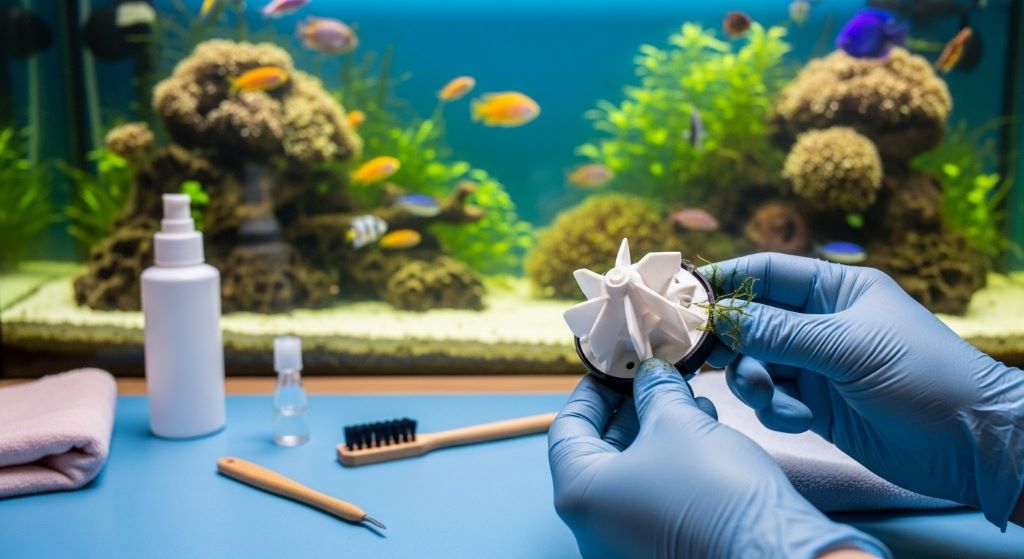
The impeller is the heart of your pump, and keeping it clean is essential for preventing overheating. This rotating component moves water through the pump. When debris interferes with the impeller, the motor works harder and generates more heat.
Establish a regular maintenance schedule for impeller cleaning. Most pumps benefit from monthly inspection and cleaning. However, tanks with fine substrate or heavy bioload may require more frequent attention.
Turn off and unplug the pump before any maintenance. Safety should always be your first priority when working with electrical equipment near water. Remove the pump from the system if necessary.
Carefully disassemble the pump housing to access the impeller. Consult your owner’s manual for specific instructions, as designs vary between manufacturers. Take photos during disassembly if you’re worried about reassembly.
Remove any debris from the impeller and surrounding area. Hair algae, snail shells, and substrate particles commonly accumulate in these spaces. A soft brush or cotton swab works well for cleaning delicate components.
Inspect the impeller shaft and magnetic assembly. Wear in these areas can cause wobbling or friction that generates excess heat. Replace worn parts promptly to maintain efficient operation.
Preventing Dry Running and Air Locks
Running a pump without water is one of the fastest ways to cause overheating and damage. This condition, called dry running, eliminates the pump’s primary cooling mechanism. Without water flow, heat accumulates rapidly and can destroy the motor in minutes.
Always ensure adequate water level in your aquarium. Evaporation gradually lowers the water line, potentially exposing intake areas. Top off your tank regularly to maintain proper levels.
Position intake strainers well below the surface. This placement provides a safety margin against water level fluctuations. Even during routine maintenance that temporarily lowers water levels, the intake should remain submerged.
Check for air locks in the system, particularly after cleaning or power outages. Air trapped in the pump housing prevents proper water flow and cooling. Tilt or gently shake submersible pumps to release trapped air bubbles.
Install automatic shutoff devices for added protection. Float switches can detect low water levels and cut power to the pump before damage occurs. These inexpensive safety devices provide peace of mind, especially for continuous run pump operations.
Managing Continuous Operation Demands
Many aquarium systems require 24/7 pump operation to maintain biological filtration and water quality. However, this continuous duty cycle places significant demands on equipment. Proper management ensures reliability over the long term.
Select pumps rated for continuous operation. Not all pumps are designed for constant use. Check manufacturer specifications to verify the unit can handle your intended duty cycle. Investing in a properly rated pump prevents premature failure.
Consider implementing a dual pump system for critical applications. Running two smaller pumps instead of one large unit provides redundancy. If one pump fails, the other continues operating until you can make repairs. This setup is particularly valuable for heavily stocked tanks or sensitive species.
Rotate pumps periodically if using a redundant system. Alternating between two pumps every few months ensures both units remain in good working condition. This practice also helps you identify problems before they become emergencies.
Give pumps brief rest periods during maintenance. When performing water changes or tank cleaning, you can safely shut down pumps for short periods. This occasional break, while not strictly necessary, might help extend equipment life.
Addressing Power Supply and Electrical Issues
Electrical problems can cause pumps to work harder than necessary, generating excess heat. Ensuring clean, stable power helps equipment operate efficiently and prevents overheating.
Verify that your outlet provides the correct voltage. Using a pump on incorrect voltage stresses the motor and generates additional heat. Check the pump’s specifications and confirm your electrical system matches.
Avoid using extension cords whenever possible. Long cords or multiple connections create voltage drops that force the motor to work harder. Plug pumps directly into wall outlets for best results.
Inspect power cords regularly for damage. Frayed insulation or exposed wires create resistance that generates heat. Replace damaged cords immediately to prevent safety hazards and equipment damage.
Consider using a voltage regulator for areas with unstable power. Frequent voltage fluctuations stress electrical components and shorten equipment life. A quality surge protector or voltage regulator provides protection.
Keep electrical connections clean and dry. Corrosion on plugs or outlets increases resistance and heat generation. Wipe connections occasionally and replace corroded components.
Selecting the Right Pump Size
Using an incorrectly sized pump often leads to overheating problems. A pump that’s too small for your system runs continuously at maximum capacity, generating excessive heat. Conversely, an oversized pump working against too much restriction also runs hot.
Calculate your actual flow requirements before purchasing a pump. Consider tank volume, filter requirements, and any head height the pump must overcome. Most filters specify minimum flow rates for proper operation.
Account for head pressure in your calculations. Every foot of vertical rise and every elbow fitting reduces flow. Manufacturers provide head pressure charts showing flow rates at various heights. Use these charts to select appropriate equipment.
Don’t assume bigger is always better. Oversized pumps waste energy and can create too much turbulence in the aquarium. Choose a pump that meets your needs without significant excess capacity.
Replace undersized pumps rather than trying to make them work. A struggling pump will eventually fail, often taking other equipment with it. Investing in properly sized equipment saves money in the long run.
Implementing Effective Pump Cooling Tips
Beyond basic maintenance, several strategies can actively reduce pump operating temperatures. These pump cooling tips help extend equipment life and improve reliability.
Add a small fan to blow air across external pump housings. Even gentle air movement significantly improves heat dissipation. Position the fan to draw air across the pump’s warmest surfaces.
Create a heat sink effect using aluminum or copper. Attaching metal strips to external pump housings helps conduct heat away from critical components. This simple modification works surprisingly well for stubborn heating problems.
Reduce ambient temperature in equipment areas. If your stand or sump area runs hot, address the environment rather than just the pump. Better ventilation, air conditioning, or relocating equipment can solve multiple problems simultaneously.
Apply thermal paste to contact points between motors and housings. This technique, borrowed from computer cooling, improves heat transfer. However, only attempt this modification if you’re comfortable with detailed mechanical work.
Insulate hot water lines from the pump. If pumping heated water, insulated tubing prevents that heat from transferring back to the pump housing. This separation helps keep the motor cooler.
Planning for Backup and Emergency Situations
Even with excellent maintenance, pumps eventually fail. Having a contingency plan prevents disasters when problems occur. Smart aquarists prepare for equipment failure before it happens.
Keep a spare pump on hand for emergency situations. This backup doesn’t need to be expensive or fancy. A basic model that can maintain circulation temporarily will suffice until you replace the primary pump.
Know how to manually aerate your tank. Battery-powered air pumps provide emergency oxygenation during power outages or pump failures. Keep one available with fresh batteries.
Establish relationships with local aquarium stores. Knowing where to find replacement parts or emergency equipment at odd hours provides peace of mind. Some stores even offer loaner equipment for emergencies.
Document your pump settings and configuration. Photos and notes help you quickly restore proper operation after maintenance or replacement. This documentation is especially valuable for complex multi-pump systems.
Join online aquarium communities for support. Fellow hobbyists often provide valuable advice during emergencies. These communities can help troubleshoot problems and suggest solutions you might not have considered.
Understanding Warranty and Replacement Considerations
Quality pumps come with warranties that protect your investment. Understanding these warranties helps you make informed decisions about repair versus replacement.
Register your equipment when purchased. Many manufacturers require registration to honor warranties. Keeping receipts and documentation ensures you can make claims if needed.
Know what your warranty covers. Most warranties protect against defects but not damage from misuse or lack of maintenance. Understanding these limitations helps you maintain equipment properly.
Consider extended warranties for expensive equipment. While often optional, these warranties can be worthwhile for high-end pumps. Evaluate the cost versus potential replacement expenses.
Recognize when replacement makes more sense than repair. If a pump is near the end of its expected lifespan, investing in repairs might not be cost-effective. New equipment often includes improved features and better efficiency.
Conclusion
Preventing aquarium pump overheating requires attention to multiple factors. Proper ventilation, regular maintenance, and appropriate pump selection form the foundation of reliable operation. By implementing these strategies, you protect both your equipment investment and your aquatic pets.
Remember that prevention is always easier than repair. Establishing regular maintenance routines catches problems before they escalate. Clean impellers, adequate airflow, and proper water temperature work together to keep pumps running cool and efficiently.
Pay attention to warning signs like unusual heat, strange noises, or reduced flow. These symptoms indicate problems that need immediate attention. Addressing issues promptly prevents catastrophic failures that could endanger your entire aquarium.
Whether running a continuous run pump for biological filtration or using intermittent circulation, proper care extends equipment life significantly. The time invested in maintenance pays dividends through years of reliable service and peace of mind knowing your aquatic ecosystem remains stable and healthy.
Frequently Asked Questions
How hot should an aquarium pump normally feel during operation?
A properly functioning pump should feel warm to the touch but never uncomfortably hot. You should be able to hold your hand on the housing for several seconds without discomfort. If the pump feels hot enough to cause pain or concern, it’s likely overheating and needs attention. Temperature varies by pump type and size, but excessive heat always indicates a problem.
Can I run my aquarium pump 24/7 without causing damage?
Yes, most quality aquarium pumps are specifically designed for continuous operation. In fact, biological filtration systems require constant water flow to maintain beneficial bacteria colonies. However, ensure your pump is rated for continuous duty and perform regular maintenance to prevent problems. Pumps not designed for constant use will fail prematurely if run continuously.
How often should I clean my aquarium pump’s impeller?
Clean the impeller at least once per month for most aquarium setups. Tanks with fine sand substrates, heavy fish loads, or significant algae growth may require bi-weekly cleaning. If you notice reduced flow or unusual noises between scheduled cleanings, inspect the impeller immediately. Regular cleaning prevents debris accumulation that causes overheating and wear.
What should I do if my pump keeps shutting off due to overheating?
First, clean the impeller and intake areas thoroughly. Check water levels and ensure the pump isn’t running dry. Verify adequate ventilation around the unit and reduce ambient temperature if possible. If problems persist after addressing these issues, the pump may have internal damage requiring professional repair or replacement. Continued thermal shutoffs indicate a serious problem.
Is it worth repairing an overheated pump or should I buy a new one?
This depends on the pump’s age, cost, and extent of damage. If the pump is under warranty or relatively new, contact the manufacturer about repair options. For pumps more than three to five years old, replacement often makes more sense financially. New pumps also offer improved efficiency and features. Consider repair costs versus replacement price when making your decision.
Related Topics:
Plymouth’s Boiler Breakdown Blues? Local Experts to the Rescue!
Water Leak Detection: How to Find and Fix Hidden Leaks Before They Cost You