Chimney Safety Tips for Every Season
Key Takeaways
- Regular chimney inspections and cleanings are vital for preventing fires and ensuring proper ventilation.
- Using seasoned hardwood reduces creosote buildup, enhancing safety and efficiency.
- Installing a chimney cap protects against debris and animal intrusions.
- Carbon monoxide and smoke detectors are essential for early detection of potential hazards.
- Proper disposal of ashes and maintaining clearances around heating appliances minimizes fire risks.
Chimney maintenance isn’t just a wintertime responsibility—it’s essential for protecting your home and family all year long. Taking a proactive approach with routine care and expert Chimney Services can help prevent common issues such as creosote buildup, animal intrusions, and unexpected fire risks. Whether you rely on your fireplace for cozy winter nights or merely as an architectural accent, these actionable safety tips can make a meaningful difference in safeguarding your living space.
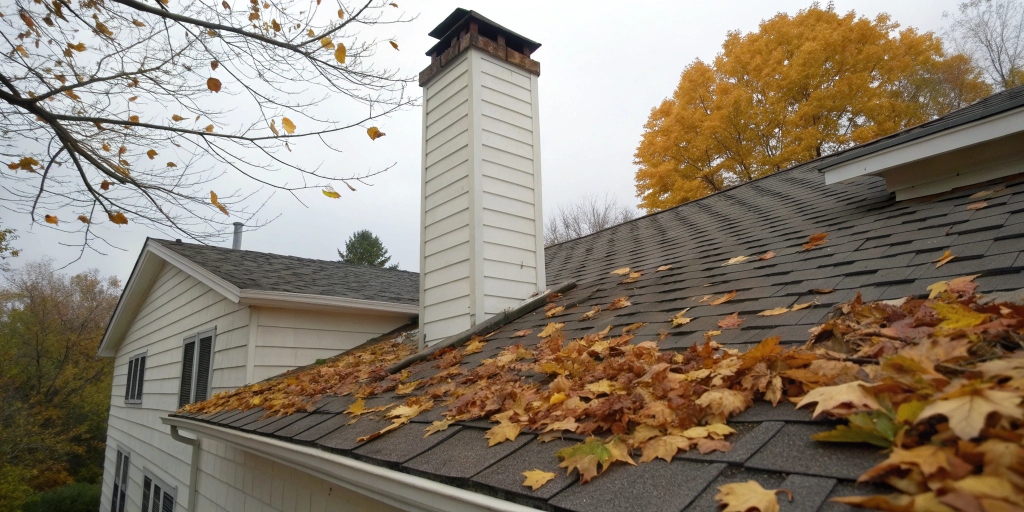
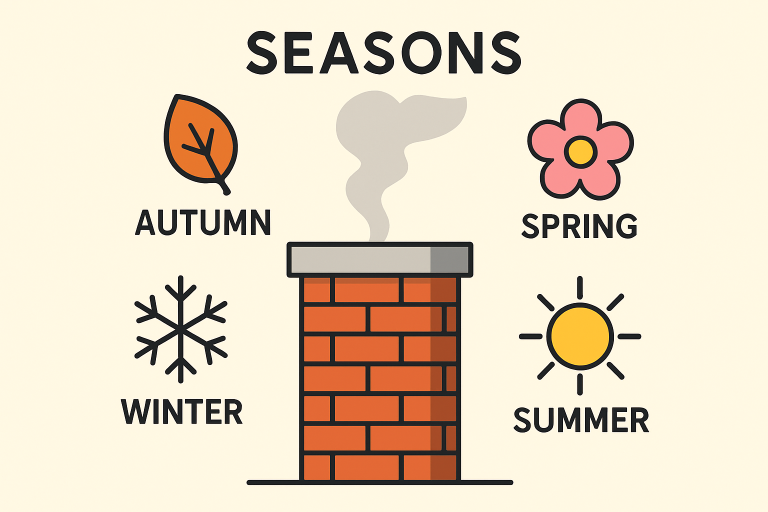
Every season brings different challenges for chimney safety. Rain and humidity in spring and summer can cause masonry damage. At the same time, autumn’s falling leaves and winter’s heavy use can expose hidden dangers inside your flue. Staying vigilant with inspections, using the appropriate fuel, and keeping up with regular maintenance are the keys to long-term chimney health. Homeowners who prioritize professional attention enjoy peace of mind and more efficient heating. This guide provides a step-by-step overview for protecting your chimney across every season.
In addition to regular maintenance, integrating simple safety habits—such as proper ash disposal and monitoring ventilation—reduces the chances of household emergencies. Prevention is always easier and less costly than repairs after an incident. The following chimney safety tips are recommended for every homeowner, regardless of chimney type or frequency of use.
Schedule Regular Inspections
Annual chimney inspections by a certified technician are your first line of defense against fires and carbon monoxide leaks. Experts recommend a full inspection at least once a year, even if you only use your fireplace occasionally. These visits uncover hidden hazards, such as cracked flue liners, animal nests, and creosote buildup—issues that can render your chimney unsafe to use.
Burn Seasoned Hardwood
Using properly aged, seasoned hardwood dramatically reduces the likelihood of creosote forming on your chimney walls. Woods such as oak, ash, or maple—when dried for at least six months—produce hotter, cleaner burns with minimal smoke. Burning green or unseasoned wood creates excess moisture and smoke, which condense inside your flue and form a sticky, flammable coating.
Install a Chimney Cap
A chimney cap is an easy upgrade that provides significant safety benefits for your home. Chimney caps block rain, snow, leaves, and critters from entering your chimney, preventing clogs and moisture damage. Without a cap, birds and squirrels can build nests in your flue, obstructing airflow and potentially causing hazardous smoke backups. A properly fitted cap also helps spark embers stay contained, lowering the risk of rooftop fires during windy burns. According to The Spruce, a step-by-step guide is available on choosing and installing the right chimney cap for your setup, including tips on sizing, materials, and installation to ensure a secure fit and long-lasting performance. To keep your chimney cap working effectively, inspect it seasonally for signs of wear, rust, or displacement, replacing it as needed to maintain complete protection.
Install Carbon Monoxide and Smoke Detectors
Every home with a chimney should have up-to-date carbon monoxide and smoke detectors installed on every level, especially near bedrooms and living spaces. Carbon monoxide is undetectable without alarms, and symptoms of its poisoning can be mistaken for common illnesses until it’s too late. Test detector batteries monthly and replace the units every 7-10 years, per manufacturer recommendations. In addition to safety, these alarms are often required by residential building codes across the country.
Proper Ash Disposal
Safe ash disposal is crucial for minimizing fire risks after each use of your fireplace or stove. Always allow ashes to cool thoroughly—usually for several days—before transferring them to a metal container with a tightly fitted lid. Store the container outside, on a non-combustible surface, at least 10 feet from buildings or combustible materials. Never use paper bags, cardboard boxes, or plastic bins for ash disposal, as leftover embers can remain dangerously hot and ignite other combustibles long after the fire appears extinguished.
Maintain Clearances Around Heating Appliances
Clearance guidelines exist for a reason: keeping materials at least three feet from all fireplaces, wood stoves, and portable heaters drastically reduces the risk of accidental ignition. Pay particular attention to furniture, curtains, and carpets, which can ignite even from indirect heat. If you have young children or pets, use sturdy barriers to maintain safe distances at all times. Regularly inspect surrounding areas to avoid hazardous clutter and maintain healthy airflow around your heating units.
Be Prepared for Emergencies
Preparation is critical for household safety. Develop an emergency fire escape plan and practice it with all residents so everyone knows at least two exits from each room. Designate an easy-to-reach meeting spot outside your home and practice fire drills regularly. Keep a fire extinguisher readily accessible near your chimney or fireplace, and ensure everyone in your home knows how to use it. Familiarize yourself with local emergency services and keep those numbers handy in case of a fire or suspected carbon monoxide incident.
By adopting these chimney safety habits and scheduling regular professional care, you can confidently enjoy the warmth and charm of your fireplace year-round. Staying alert to seasonal hazards and prioritizing routine preventive measures offer peace of mind and safer, cozier nights for your entire household.