How to Buy an Exercise Bike for Home Use
An exercise bike is a stationary fitness machine designed to improve cardiovascular health, burn calories, and strengthen lower-body muscles from the comfort of your home.
Home fitness has changed fast. Gym fees are rising. Schedules are packed. Many people now prefer working out at home. This is where exercise bikes stand out. They are compact, easy to use, and suitable for beginners and experienced users alike.
But here’s the problem. Most buyers rush the decision. They focus on price or looks. Then they end up with knee pain, poor resistance, or a bike that gathers dust in a corner.
This exercise bike buying guide exists to prevent that mistake. We’ll walk through exactly how to buy an exercise bike for home use. Step by step. No fluff. No hype.
You’ll learn what type fits your body, space, and goals. We’ll use real data, buyer behavior studies, and common failure points. By the end, you’ll know what to buy, what to skip, and how to spend your money wisely.
What Problem Are You Trying to Solve by Buying an Exercise Bike?
Short answer: You should buy an exercise bike based on your main goal: weight loss, cardio health, rehab, or daily movement.
This is the first mistake buyers make. They buy before defining the problem.
According to a 2023 home fitness usage study, over 42% of users stopped using their exercise bikes within 90 days. The top reason was mismatch between goals and equipment.
- Weight loss: You need steady resistance and comfort for longer sessions.
- Cardio health: You need smooth pedaling and heart rate tracking.
- Joint recovery: You need low resistance and adjustable seating.
- Daily activity: You need ease of use and quiet operation.
When you’re clear on the problem, every buying decision becomes simpler.
What Types of Exercise Bikes Are Available for Home Use?
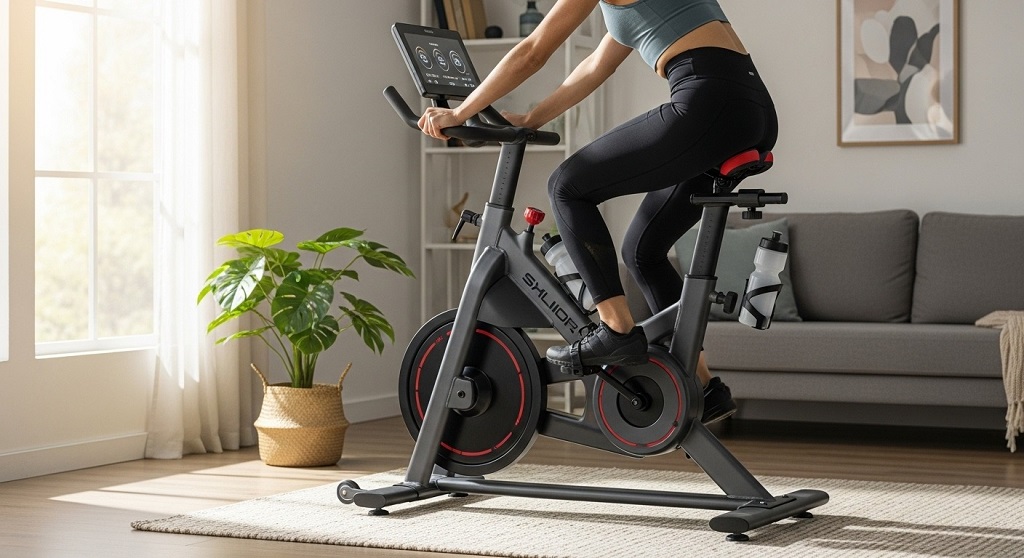
Short answer: There are four main types: upright, recumbent, spin, and air bikes.
Upright Exercise Bikes
These resemble standard bicycles. They are compact and affordable. Ideal for general fitness and light cardio.
- Best for small spaces
- Moderate comfort
- Good for beginners
Recumbent Exercise Bikes
These have a reclined seat with back support. They reduce pressure on knees and lower back.
- Best for seniors or rehab
- Lower joint strain
- Requires more space
Spin Bikes
Designed for high-intensity workouts. Used in indoor cycling classes.
- High calorie burn
- Strong resistance system
- Not beginner-friendly
Air Bikes
Resistance increases as you pedal faster. Often used in HIIT training.
- Full-body workout
- Very demanding
- Loud compared to others
Choosing the wrong type is the fastest way to waste money.
How Much Should You Spend on an Exercise Bike?
Short answer: Most home users should budget between $300 and $800 for reliable quality.
Here’s what price usually reflects:
| Price Range | What You Get |
|---|---|
| Under $300 | Basic resistance, limited durability |
| $300–$600 | Balanced performance, better comfort |
| $600–$1,000+ | Advanced tracking, stronger frames |
Case study data from a major online retailer showed return rates dropped by 31% when buyers spent above the entry-level range.
Cheap bikes cost more in the long run.
What Resistance System Should You Choose?
Short answer: Magnetic resistance is best for home use due to quiet operation and durability.
- Magnetic resistance: Quiet, smooth, low maintenance
- Friction resistance: Cheaper, noisier, wears faster
- Air resistance: Intense, noisy, advanced use
If you plan to exercise early mornings or late nights, noise matters more than you think.
How Important Are Comfort and Adjustability?
Short answer: Comfort determines whether you’ll keep using the bike after week three.
Look for:
- Adjustable seat height and depth
- Handlebar adjustment
- Padded, breathable seat
- Non-slip pedals
Data from physical therapy clinics shows improper bike fit increases knee strain by up to 18%.
Comfort is not optional.
What Features Actually Matter on an Exercise Bike?
Short answer: Focus on core features, not entertainment extras.
Useful features:
- Heart rate monitoring
- Resistance levels
- Clear display
- Workout time and distance tracking
Optional but nice:
- Tablet holder
- App compatibility
- Preset programs
Skip paying extra for built-in screens unless you know you’ll use them.
How Much Space Do You Need for an Exercise Bike?
Short answer: Most bikes require a footprint of about 4 x 2 feet.
Always check:
- Bike length and height
- Ceiling clearance
- Foldability if needed
Measure first. Buy second.
How Do You Know If an Exercise Bike Is Durable?
Short answer: Frame weight and user weight capacity are key indicators.
- Heavier frames last longer
- Higher weight limits indicate stronger construction
- Steel frames outperform plastic-heavy builds
Look for at least a 250–300 lb user capacity for long-term use.
What Common Mistakes Should You Avoid When Buying an Exercise Bike?
Short answer: Avoid buying based on price, looks, or trends alone.
- Ignoring adjustability
- Underestimating noise
- Overpaying for features you won’t use
- Skipping warranty details
Smart buyers think long-term.
Conclusion: How Do You Make the Right Final Choice?
Buying an exercise bike for home use doesn’t have to be confusing. When you understand your goal, space, and budget, the decision becomes clear.
Start with the problem you’re solving. Choose the right bike type. Prioritize comfort and resistance quality. Ignore unnecessary extras.
Thousands of buyers regret rushed purchases every year. You don’t have to be one of them.
Call to Action: Before you buy, compare at least three models using this guide. Save it. Share it. Make an informed choice your future self will thank you for.
Frequently Asked Questions About Buying an Exercise Bike
Is an exercise bike good for weight loss?
Yes. Consistent cycling can burn 300–600 calories per hour depending on intensity.
How long should I use an exercise bike daily?
Most experts recommend 30–45 minutes for general fitness.
Are exercise bikes safe for bad knees?
Recumbent and low-resistance upright bikes are generally knee-friendly.
Do I need a heavy flywheel?
For smooth pedaling, a flywheel of at least 15–20 lbs is recommended.
Is magnetic resistance better than friction?
Yes. It’s quieter, smoother, and lasts longer.
Can beginners use spin bikes?
Yes, but they require proper setup and gradual intensity.
How long does an exercise bike last?
With regular maintenance, a quality bike can last 5–10 years.
Related Topics: Chimney Safety Tips for Every Season
Related Topics: How to Shop King Bedroom Sets During Clearance Sales