How Battery-Powered Jigsaws Compare to Corded Models
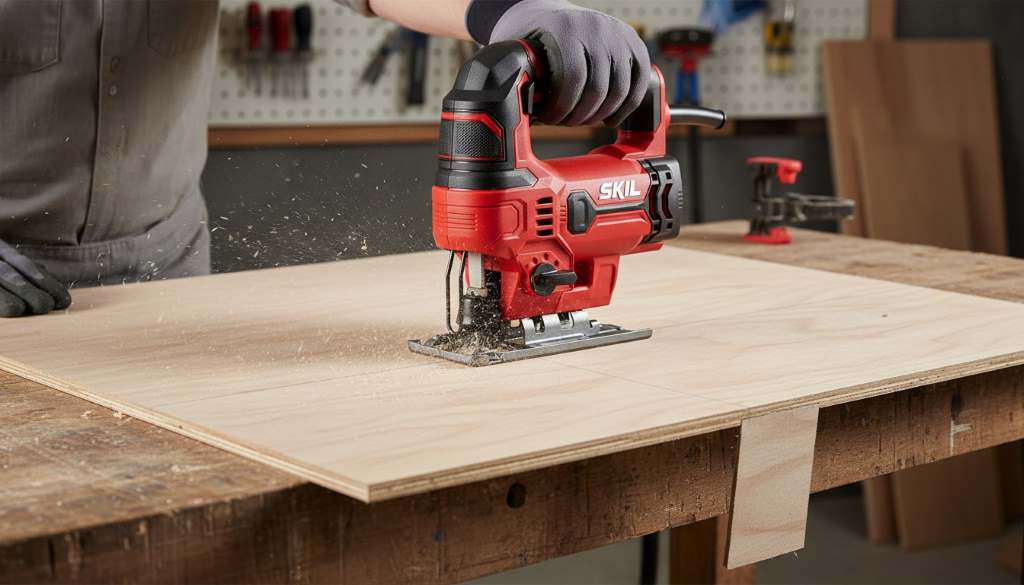
Imagine you are halfway through a detailed curved cut on a large sheet of plywood. The tool feels smooth in your hand, and you move freely around the workpiece. Suddenly, nothing pulls you back. That freedom comes from a battery-powered jigsaw. Many woodworkers now choose this cordless power saw for good reason. Yet corded models still hold strong appeal for certain tasks.
The shift toward cordless tools grows fast. Grand View Research reports that the global cordless power tools market hit USD 13.44 billion in 2024 and will reach USD 14.40 billion in 2025. Another study from Global Market Insights shows steady growth thanks to better lithium-ion batteries. These improvements make a lithium jigsaw perform closer than ever to plugged-in versions. If you want a long battery jigsaw that delivers solid runtime, take a look at the Ryobi ONE+ 18V Jig Saw.
People often ask which type works better. The answer depends on your needs. This guide breaks down the differences clearly so you can decide with confidence.
The Basics of Jigsaws
Jigsaws cut curves, circles, and intricate shapes that other saws struggle to handle. They use a thin blade that moves up and down quickly. You guide the tool by hand for precise results.
Two main types exist today. Corded models plug into an outlet for constant power. Battery-powered models run on rechargeable packs for complete freedom of movement.
Both share similar features like variable speed dials, orbital action settings, and tool-free blade changes. However, the power source changes everything about how you use them.

Power and Performance
Corded jigsaws once dominated in raw power. They draw directly from the wall and deliver steady output without fade. A typical model runs at 6-7 amps and maintains full speed even in thick hardwoods.
Battery-powered models caught up fast. Modern brushless motors and high-voltage batteries push performance high. Many 18V or 20V cordless jigsaws now match or beat older corded ones in cutting speed.
For example, top cordless models from Bosch, DeWalt, and Milwaukee slice through 2-inch hardwood without slowing. Tests from Pro Tool Reviews show some cordless units outperform mid-range corded saws in real cuts.
However, corded tools still win for the toughest jobs. They never lose torque during long, demanding sessions. If you cut thick metal or dense exotic woods all day, a plugged-in model stays stronger.
Moreover, corded jigsaws handle heavy orbital settings better. The constant electricity keeps the blade aggressive without strain.
Portability and Convenience
Cordless wins easily here. You pick it up and go anywhere. No extension cords tangle your feet. No outlets limit your reach.
This matters on job sites, in yards, or when working on ladders. A cordless power saw lets you move freely and finish faster.
Additionally, modern batteries charge quickly. Many reach 80% in under an hour. Spare packs keep you working without pause.
Corded models restrict you. You need power nearby. Extension cords add trip hazards and limit range. In tight spaces, the cord catches on edges constantly.
Yet some workshops have outlets everywhere. There, a corded tool feels just as convenient.
Runtime and Battery Life
Battery life improved dramatically. High-capacity lithium-ion packs now deliver hours of actual cutting time.
Real-world use varies. Light scrolling work lasts longer than aggressive plunge cuts. Most users get 30-60 minutes of continuous heavy cutting from a 5Ah battery.
Swap in a fresh pack and keep going. Many pros carry two or three batteries for all-day work.
Corded tools run forever as long as electricity flows. No downtime for charging. No fade as the job drags on.
However, power outages or remote locations make corded useless. Battery models shine in those situations.
Furthermore, cold weather affects batteries. Performance drops in freezing temperatures. Corded tools ignore the weather.
Weight and Ergonomics
Corded jigsaws feel lighter in hand. They lack heavy battery packs. Most weigh 4-6 pounds.
Battery models add the pack’s weight. A typical 18V jigsaw with battery hits 6-8 pounds. That extra mass causes fatigue over long sessions.
On the positive side, manufacturers place batteries low for better balance. Many cordless designs feel comfortable despite the weight.
Barrel-grip or top-handle styles suit different preferences. Both types appear in corded and cordless lines.
Additionally, vibration control improved across the board. Brushless motors in cordless saws reduce shake and make extended use easier.
Safety Considerations
Both types stay safe when used properly. Key features like blade guards, lock-off switches, and low kickback protect users.
Corded models carry one unique risk: the power cord. It can snag and pull the tool unexpectedly. Trip hazards also increase on busy sites.
Cordless eliminates that danger. No cord means fewer accidents from pulling or tripping.
However, batteries need proper care. Overheating or damage can cause rare but serious issues. Always follow manufacturer guidelines.
Moreover, cordless tools shut off instantly when you release the trigger. Some users find this safer than corded models that coast briefly.
Related:
What Happens If Air Duct Contaminants Are Left Unaddressed Too Long?
Chimney Safety Tips for Every Season
Maintenance and Longevity
Corded jigsaws need little upkeep. Clean the tool, change blades, and store it dry. Motors last decades with basic care.
Battery-powered models require more attention. Keep batteries charged but not overcharged. Store them at room temperature. Clean contacts regularly.
Brushless motors in modern cordless saws need almost no maintenance. They run cooler and last longer than brushed versions.
Furthermore, battery lifespan matters. Most packs deliver hundreds of charge cycles before noticeable fade.
Best Uses for Each Type
Battery-powered jigsaws excel in these situations:
- Job sites without easy power access
- Outdoor projects like deck building
- Finish carpentry with lots of movement
- Quick repairs around the home
- Working on ladders or scaffolding
Corded models shine when you need:
- All-day heavy cutting without breaks
- Maximum power in thick materials
- Workshop use with outlets nearby
- Budget-friendly reliable performance
- Consistent torque for metal or dense woods
Many professionals own both. They grab cordless for mobility and corded for marathon sessions.
Recent Advancements Closing the Gap
Lithium-ion technology changed everything. Higher energy density means more power from smaller packs.
Brushless motors boost efficiency. They convert more battery energy into cutting force. Less heat builds up too.
Fast charging became standard. Some systems recharge in 30-60 minutes.
Tabless cell designs and better chemistry push runtime higher. New packs deliver 50% more work per charge than older ones.
These improvements make today’s lithium jigsaw a serious rival to corded power.
Conclusion
Battery-powered jigsaws now rival corded models in most tasks. They offer unmatched freedom and solid performance thanks to better batteries and motors. Corded tools still deliver unlimited runtime and peak power for demanding work.
Think about where and how you cut most. Need mobility and convenience? Go cordless. Work long hours in a powered shop? Choose corded.
Whichever you pick, both types produce excellent results in skilled hands. Start with your main projects in mind, then select the tool that fits best.
Ready to upgrade? Assess your workspace and typical jobs today. The right jigsaw will make every cut smoother and more enjoyable.
FAQs
Are battery-powered jigsaws as powerful as corded ones?
Modern high-voltage cordless models match or beat many corded jigsaws in cutting speed and torque. However, top-end corded tools still edge out for the heaviest continuous work.
How long does a cordless jigsaw battery last?
It depends on the task and battery size. Typical 5Ah packs give 30-60 minutes of heavy cutting. Light work extends that time significantly. Spare batteries eliminate downtime.
Do cordless jigsaws work well for thick hardwood?
Yes, current 18V and 20V brushless models handle 2-inch hardwood easily. Use sharp blades and proper technique for best results.
Which is safer: corded or battery-powered?
Both stay safe with proper use. Cordless removes cord trip hazards. Corded offers unlimited run without battery concerns. Follow all safety guidelines either way.
Can I use a cordless jigsaw professionally?
Absolutely. Many pros now rely on cordless for daily work thanks to long runtime and power improvements. They keep spare batteries charged for full days.
References
- Grand View Research: Cordless Power Tools Market Report
https://www.grandviewresearch.com/industry-analysis/cordless-power-tools-market-report - Global Market Insights: Cordless Power Tools Market Analysis
https://www.gminsights.com/industry-analysis/cordless-power-tools-market - Pro Tool Reviews: Best Jigsaw Reviews (Corded and Cordless)
https://www.protoolreviews.com/best-jigsaw-reviews - Technavio: Power Tool Batteries Market Analysis
https://www.technavio.com/report/power-tool-batteries-marketandmarkets.com