How to Choose the Best Reading Pillow for Comfortable Bed Support
The best reading pillow is one that supports your lower back, shoulders, and neck while keeping your spine aligned in an upright sitting position for extended reading, laptop use, or watching TV in bed.
What Is a Reading Pillow and Why Does It Matter for Bed Support?
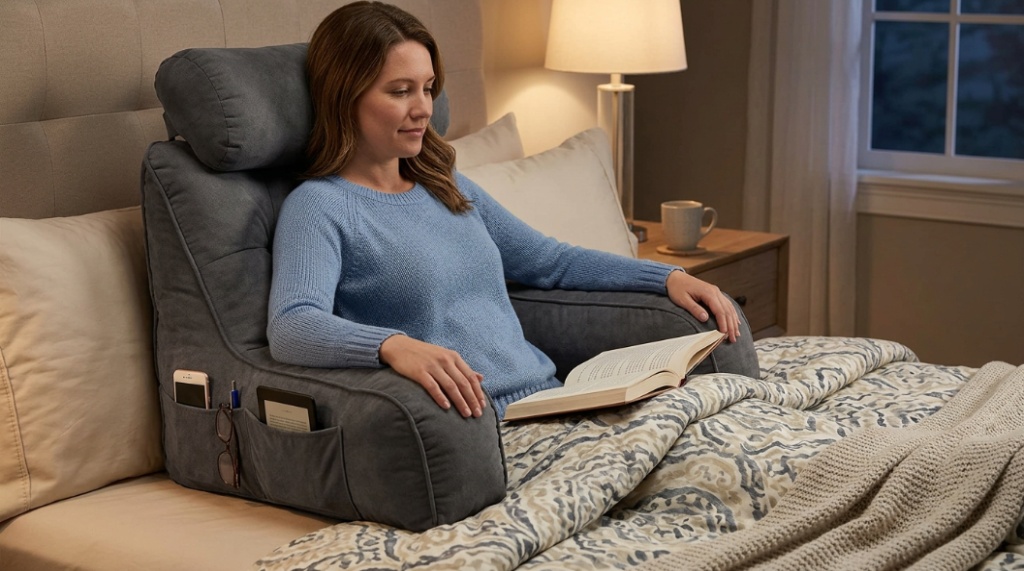
A reading pillow is a structured back-support cushion designed to keep your upper body upright and comfortable while sitting in bed. If you regularly read, scroll your phone, or work on a laptop in bed, a standard sleeping pillow cannot provide proper posture support. Over time, this leads to neck stiffness, shoulder strain, and lower back discomfort. A supportive reading pillow solves this by stabilizing your spine and reducing pressure points. According to ergonomic research from the American Chiropractic Association, poor sitting posture is one of the most common causes of chronic back discomfort. A properly shaped backrest pillow helps maintain neutral alignment, which reduces muscle fatigue during long sitting sessions. Unlike traditional pillows, reading pillows include armrests, lumbar padding, and structured foam filling. These features make them ideal for reading, gaming, breastfeeding, studying, or streaming content comfortably.
How Do You Choose the Best Reading Pillow for Long-Term Comfort?
The best reading pillow should match your body height, preferred sitting angle, firmness level, and intended use such as reading, working, or relaxing. Choosing the right pillow involves evaluating several structural and ergonomic factors. The wrong size or material can actually worsen posture instead of improving it.
Which Pillow Height Supports Proper Posture?
A reading pillow should support the mid-back up to the shoulders to prevent slouching.
- Short users benefit from 18–20 inch backrests
- Average adults need 20–24 inch support
- Tall users should choose 24+ inch models
If the pillow is too short, your shoulders round forward. If too tall, your neck tilts unnaturally.
How Firm Should a Reading Pillow Be?
Medium-firm pillows provide the best balance between comfort and structural support. Memory foam offers contouring pressure relief, while shredded foam allows adjustable loft. Polyester-filled pillows feel softer but compress faster over time.
Do Armrests Actually Improve Comfort?
Armrests reduce shoulder tension and stabilize your reading position during long sessions. They help support elbows while holding books, tablets, or phones, preventing wrist fatigue and upper-body strain.
Which Filling Material Is Best for a Reading Pillow?
Shredded memory foam is the best filling material because it combines adjustability, breathability, and long-lasting support. Different materials affect durability, airflow, and comfort levels.
| Material | Support Level | Breathability | Durability | Best For |
|---|---|---|---|---|
| Shredded Memory Foam | High | Moderate | Excellent | All-purpose use |
| Solid Memory Foam | Very High | Low | Excellent | Firm posture support |
| Polyester Fiberfill | Medium | High | Moderate | Casual readers |
| Microbead Filling | Low | High | Low | Lightweight comfort |
Shredded foam models are popular because they allow users to customize firmness by adding or removing fill.
What Size Reading Pillow Works Best for Different Bed Types?
A queen or king bed works best with large backrest pillows, while twin beds require compact designs for space efficiency. Choosing the correct size ensures stability and prevents sliding during use.
- Twin beds: 18–20 inch pillows
- Full beds: 20–22 inch pillows
- Queen beds: 22–24 inch pillows
- King beds: 24–30 inch pillows
Larger pillows distribute pressure more evenly across the back, which improves posture support during long reading sessions.
Are Reading Pillows Better Than Regular Bed Pillows?
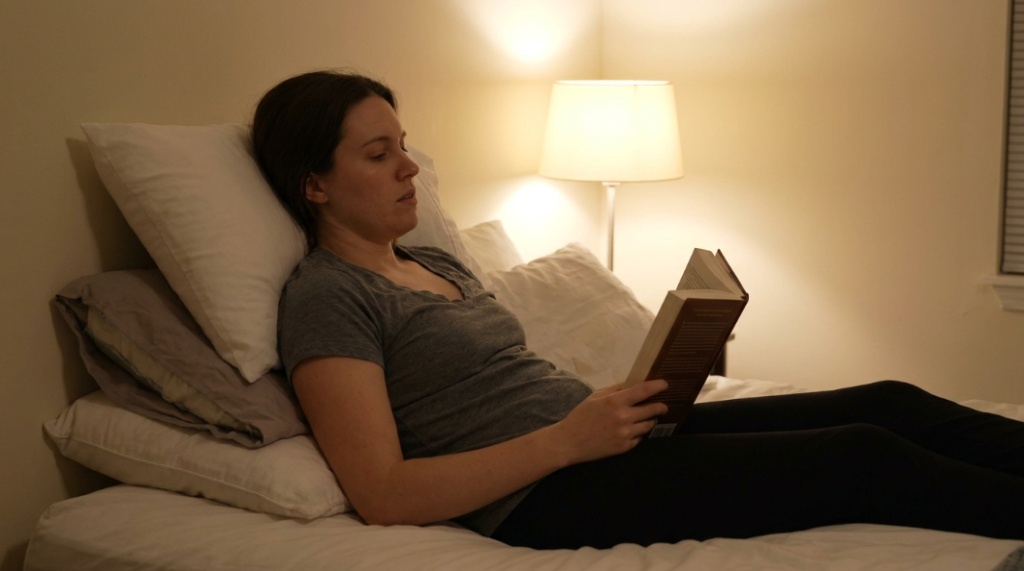
Reading pillows are better than regular pillows because they provide upright spinal support instead of flat head cushioning. Standard pillows collapse under body weight. This forces the spine into a curved position that increases fatigue. Backrest pillows maintain structure and keep the torso aligned. They are especially useful for:
- Students studying in bed
- Remote workers using laptops
- People recovering from surgery
- Pregnant women needing extra support
- Readers with chronic back pain
Which Features Should You Look for in the Best Reading Pillow?
The most important features include adjustable filling, washable covers, arm support, neck extension, and lumbar reinforcement.
Why Is Adjustable Loft Important?
Adjustable loft allows users to customize firmness based on body type and sitting posture. This improves comfort over time as preferences change.
Do Washable Covers Improve Longevity?
Removable covers extend pillow lifespan by protecting foam from sweat, dust, and spills. Velour, cotton, and bamboo fabric covers offer breathable comfort for year-round use.
Is Neck Support Necessary in a Reading Pillow?
Neck extensions reduce cervical strain during extended reading sessions. Some premium pillows include detachable headrests that improve ergonomic alignment.
What Shape Reading Pillow Provides the Best Back Support?
U-shaped and wedge-style reading pillows provide the most stable spinal support for upright sitting positions. Shape influences how weight distributes across the upper body.
- Backrest pillows with arms support elbows and shoulders
- Wedge pillows improve posture angle
- U-shaped pillows support neck and sides
- Husband-style pillows provide full torso coverage
Husband pillows are among the most recommended designs for long reading sessions because they support multiple pressure points simultaneously.
Can a Reading Pillow Help Reduce Back and Neck Pain?
Yes, a supportive reading pillow reduces back and neck pain by maintaining neutral spine alignment. Slouching increases pressure on spinal discs. According to spine-health posture research, sitting without back support increases lumbar stress by up to 40% compared to supported sitting positions. Reading pillows reduce strain by:
- Supporting lumbar curvature
- Preventing shoulder rounding
- Stabilizing head position
- Reducing muscle fatigue
People with chronic posture discomfort often notice improvements after switching to structured backrest pillows.
What Is the Best Reading Pillow for Sitting Up in Bed for Long Hours?
The best reading pillow for long sessions includes shredded memory foam, armrests, neck support, and breathable fabric. Long-duration comfort depends on airflow, firmness retention, and ergonomic structure. Look for these specifications:
- At least 20-inch back height
- Machine-washable cover
- Adjustable fill access zipper
- Wide armrests
- Integrated lumbar curve
These features prevent overheating and posture collapse during extended reading or laptop use.
Are Wedge Pillows or Backrest Pillows Better for Reading?
Backrest pillows are better for upright reading, while wedge pillows are better for angled support and medical positioning. Wedge pillows elevate the torso at a fixed angle. Backrest pillows allow flexible positioning with arm support. Choose wedge pillows if you:
- Have acid reflux
- Recover from surgery
- Need elevation for breathing comfort
Choose backrest pillows if you:
- Read daily in bed
- Use laptops frequently
- Watch TV while sitting upright
Which Fabric Cover Is Most Comfortable for a Reading Pillow?
Bamboo and cotton covers are the most breathable and comfortable materials for everyday reading pillow use. Fabric affects temperature regulation and skin comfort.
- Velour: soft and warm
- Cotton: breathable and natural
- Bamboo: cooling and moisture-wicking
- Polyester blends: durable and affordable
Hot sleepers typically prefer bamboo covers because they reduce heat buildup during extended sitting sessions.
How Much Should You Spend on the Best Reading Pillow?
A high-quality reading pillow typically costs between $40 and $120 depending on size, materials, and adjustability features. Budget models provide short-term comfort but compress faster. Premium pillows maintain structure longer and offer better ergonomic support.
- $30–$50: basic fiberfill pillows
- $50–$80: shredded foam models
- $80–$120: premium adjustable ergonomic pillows
Investing in a durable model improves long-term comfort and posture health.
Conclusion: How Do You Pick the Best Reading Pillow for Your Needs?
The best reading pillow supports your spine, matches your body height, uses breathable adjustable filling, and includes arm and neck support for long-term comfort. Choosing the right pillow transforms how you read, relax, or work in bed. Instead of shifting positions constantly, you maintain stable posture with less fatigue and fewer pressure points. Over time, this reduces strain on your shoulders and lower back. Focus on ergonomic structure, washable covers, and adjustable memory foam filling when selecting your pillow. These features provide the strongest combination of durability and comfort. If you regularly sit upright in bed, upgrading to a structured reading pillow is one of the simplest ways to improve daily comfort and posture support.
FAQ: Best Reading Pillow Buying Questions Answered
What is the best reading pillow for back pain?
The best reading pillow for back pain includes shredded memory foam filling and built-in lumbar support to maintain spinal alignment during long sitting sessions.
Are reading pillows good for posture improvement?
Yes, reading pillows improve posture by supporting the natural curve of the spine and preventing forward shoulder rounding.
Can you sleep on a reading pillow?
Reading pillows are not designed for overnight sleeping but can be used for short naps while sitting upright.
What size reading pillow should adults choose?
Most adults benefit from a 20–24 inch reading pillow that supports the mid-back and shoulders comfortably.
Is memory foam better than fiberfill for reading pillows?
Memory foam provides better long-term support and durability than fiberfill, which compresses more quickly over time.
Do reading pillows help while using a laptop in bed?
Yes, reading pillows stabilize the upper body and reduce wrist and shoulder strain during laptop use.
How long does a reading pillow last?
A high-quality reading pillow typically lasts two to four years depending on filling material and usage frequency. Read More Also How to Follow a Paint Brush Buying Guide for Perfect Results Discover More Owner vs Tenant Renovation Costs: Who Pays and When?