Owner vs Tenant Renovation Costs: Who Pays and When?
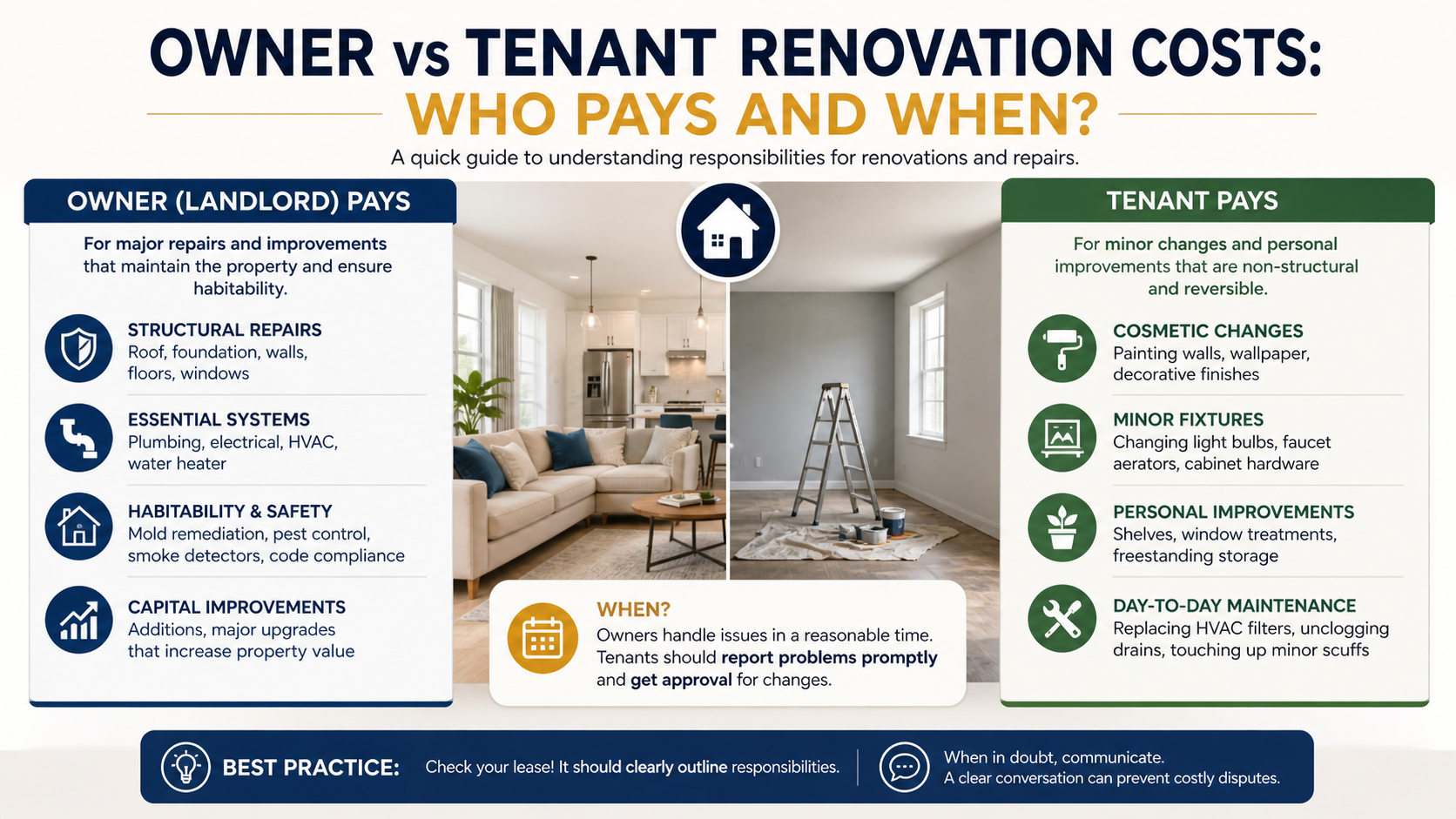
Owner vs tenant renovation costs refer to who is legally responsible for paying for property improvements, repairs, or upgrades in a rental agreement. In most cases, landlords pay for structural repairs and safety compliance, while tenants pay for cosmetic changes or upgrades they request.
Why renovation cost responsibility causes disputes
Many rental disputes start with one simple question: who should pay for renovations? A leaking roof, outdated kitchen, broken plumbing, or a tenant-requested makeover can quickly become a financial disagreement between property owner and renter.
Owner vs tenant renovation costs determine whether landlords or renters must pay for repairs, upgrades, or improvements depending on lease terms, local tenancy laws, and the type of renovation.
This issue matters because renovation costs are rising globally. According to construction cost tracking by organizations like the National Association of Home Builders, material prices increased significantly between 2020 and 2024, making even small repairs expensive. When responsibilities are unclear, disputes escalate into delayed maintenance, withheld rent, or even legal action.
Understanding who pays—and when—helps both landlords and tenants avoid conflict, protect property value, and maintain safe living conditions.
Who usually pays for renovations in a rental property?
Landlords typically pay for structural repairs and essential maintenance, while tenants pay only for optional upgrades they request or damage they cause.
Responsibility depends on three primary factors:
- Type of renovation
- Lease agreement wording
- Local landlord–tenant law
In most jurisdictions, landlords must maintain habitability standards. That includes safe electrical systems, functional plumbing, weatherproof roofing, and structural stability. Tenants are generally responsible only for damage beyond normal wear and tear.
For example:
- Fixing a leaking pipe → landlord responsibility
- Replacing broken tiles caused by tenant negligence → tenant responsibility
- Installing new cabinets for aesthetic reasons → negotiable responsibility
What types of renovations must landlords legally pay for?
Landlords must pay for repairs that affect habitability, safety, structure, and building compliance.
Housing regulations in most countries require landlords to maintain livable conditions. These are not optional upgrades—they are legal obligations.
Examples of landlord-paid renovations
- Roof repairs
- Plumbing replacement
- Electrical rewiring
- Structural wall repairs
- Mold remediation
- Fire safety compliance upgrades
- Heating system replacement
Courts consistently classify these as essential maintenance rather than improvements. Even if costs are high, responsibility usually cannot be transferred to tenants.
Which renovations are tenants responsible for paying?
Tenants typically pay for cosmetic upgrades, optional improvements, or damage they personally caused beyond normal wear and tear.
Tenant-paid renovations usually fall into three categories:
- Personal customization
- Damage repair
- Unauthorized modifications
Examples include:
- Painting walls a different color
- Installing shelves or fixtures
- Replacing carpets damaged by pets
- Repairing broken windows caused by accidents
However, tenants should always obtain written approval before making modifications. Unauthorized upgrades can lead to deposit deductions.
Can tenants request renovations from landlords?
Yes, tenants can request renovations, but landlords are only required to approve changes related to safety, habitability, or legal compliance.
Optional upgrades—such as kitchen remodeling or flooring replacement—are negotiable rather than mandatory.
Landlords evaluate requests based on:
- Property value impact
- Long-term maintenance cost
- Lease duration
- Market competitiveness
In competitive rental markets, landlords sometimes approve upgrades to retain reliable tenants.
Who pays if a tenant wants to renovate the property?
If tenants request upgrades for personal preference, they usually pay unless the landlord agrees to share or reimburse the cost.
Common negotiation arrangements include:
- Tenant pays full cost
- Landlord pays full cost
- Cost-sharing agreement
- Rent reduction in exchange for renovation investment
For example, a tenant may install modern lighting fixtures at their expense in exchange for a reduced monthly rent.
What happens when renovations increase property value?
When renovations increase property value, landlords typically benefit financially, so they often cover or partially reimburse costs.
Value-increasing upgrades include:
- Kitchen remodeling
- Bathroom modernization
- Energy-efficient insulation
- Solar panel installation
Because these improvements enhance resale price and rental potential, landlords often negotiate shared investment structures.
Do lease agreements determine renovation responsibility?
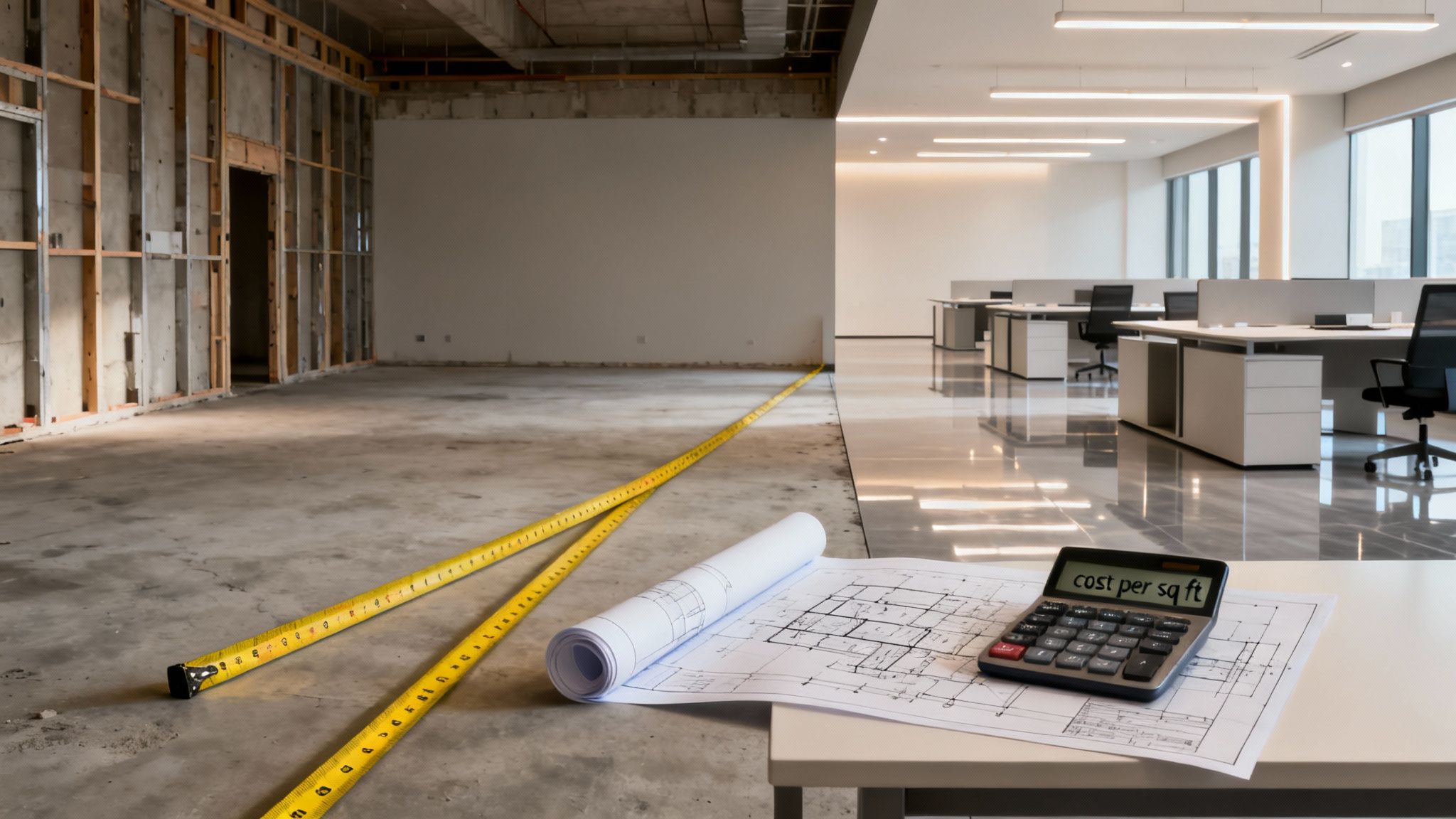
Yes, lease agreements are the primary legal document that determines who pays for renovations in most rental situations.
A well-written lease typically specifies responsibility for:
- Minor repairs
- Major maintenance
- Decorative changes
- Emergency fixes
- Appliance replacement
If the lease is silent on renovation costs, default landlord–tenant laws usually apply.
How does normal wear and tear affect renovation responsibility?
Normal wear and tear is the landlord’s responsibility, while damage caused by misuse is the tenant’s responsibility.
Examples of normal wear and tear:
- Faded paint
- Loose door handles
- Minor carpet thinning
- Aging fixtures
Examples of tenant-caused damage:
- Broken doors
- Burn marks on flooring
- Large wall holes
- Water damage from negligence
Who pays for emergency repairs during tenancy?
Landlords must pay for emergency repairs that affect safety, sanitation, or structural stability.
Emergency repair situations include:
- Electrical hazards
- Gas leaks
- Flooding pipes
- Heating failure in winter climates
Tenants may sometimes arrange repairs themselves and deduct costs from rent—but only where local regulations allow.
Can landlords increase rent after renovations?
Yes, landlords can increase rent after major improvements if local rent control laws allow adjustments.
Rent increases typically follow:
- Energy-efficiency upgrades
- Structural modernization
- Amenity additions
- Kitchen or bathroom remodeling
However, rent increases must comply with notice requirements and legal caps in regulated markets.
What renovations require tenant permission?
Landlords must notify tenants before renovations that affect occupancy, privacy, or access to living areas.
Examples include:
- Wall removal
- Window replacement
- Floor replacement
- Bathroom reconstruction
Advance notice periods vary by jurisdiction but commonly range from 24 hours to several days.
Owner vs tenant renovation costs comparison table
Structural repairs are landlord responsibilities, while cosmetic or tenant-requested upgrades are typically tenant responsibilities.
| Renovation Type | Who Pays? | Reason |
|---|---|---|
| Roof repair | Landlord | Structural safety requirement |
| Painting walls (custom colors) | Tenant | Personal preference |
| Broken plumbing | Landlord | Habitability obligation |
| Pet damage repair | Tenant | Tenant-caused damage |
| Kitchen upgrade request | Negotiable | Value improvement |
| Electrical rewiring | Landlord | Legal compliance |
Can tenants renovate a rental property without permission?
No, tenants generally cannot renovate rental property without written landlord approval.
Unauthorized renovations may lead to:
- Deposit deductions
- Lease violations
- Restoration costs
- Legal penalties
Even small upgrades should be documented through written consent.
What happens if renovation disputes occur between landlords and tenants?
Renovation disputes are resolved through lease interpretation, housing regulations, mediation, or tenancy courts.
Most disputes arise from unclear expectations. Preventive strategies include:
- Detailed lease clauses
- Inspection reports
- Written approvals
- Maintenance documentation
Clear agreements reduce legal risk significantly.
Conclusion: How landlords and tenants can avoid renovation cost conflicts
Clear lease agreements, written approvals, and understanding legal responsibilities are the most effective ways to prevent renovation cost disputes.
Most renovation conflicts happen because expectations differ between property owners and tenants. Structural repairs belong to landlords. Cosmetic upgrades belong to tenants unless negotiated otherwise. Emergency maintenance almost always falls on property owners.
Before starting any renovation, both parties should confirm responsibility in writing. This protects deposits, avoids legal complications, and ensures property value remains intact.
If you are renting or managing property, review your lease today and clarify renovation responsibilities early. A short conversation now can prevent costly disputes later.
FAQ: Owner vs tenant renovation costs explained
Do landlords have to pay for all repairs?
No, landlords must pay only for structural, safety, and habitability-related repairs, while tenants pay for damage they cause or optional upgrades.
Can tenants deduct renovation costs from rent?
Tenants can deduct repair costs from rent only when local laws allow it and when repairs are legally the landlord’s responsibility.
Who pays for painting a rental property?
Landlords pay for repainting due to normal wear and tear, while tenants pay if repainting is requested for personal preference.
Are appliance replacements landlord responsibility?
Yes, landlords usually replace built-in appliances unless damage resulted from tenant misuse.
Can landlords refuse renovation requests?
Yes, landlords can refuse non-essential renovation requests that do not affect safety or habitability.
Do tenants benefit from paying renovation costs?
Tenants may benefit through improved living conditions, rent reductions, or extended lease agreements.
What should be included in renovation clauses in lease agreements?
Lease clauses should specify repair responsibility, approval procedures, reimbursement terms, and restoration expectations at move-out.
Read More Also How to Choose the Right Cabinet Doors for Your Kitchen
Find out How to Choose Gardening Tools for Beginners in 2026