Innovative and Eco-Friendly Pest Prevention Strategies for a Healthier Home
Key Takeaways
- Natural compounds such as pinene provide safe and powerful termite control.
- Fertility control baits humanely address rodent population growth.
- Pesticide-free mosquito traps protect outdoor spaces without harming the environment.
- Integrated pest management offers a holistic strategy for long-term success.
Keeping your home free of pests is crucial to ensuring a healthy, comfortable environment for you and your family. Many traditional pest control options rely on harsh chemicals that carry risks, especially for children and pets. Thankfully, there are now progressive approaches that let you protect your living spaces without compromising on safety or sustainability. To learn more about effective pest solutions, Romney Pest Control provides resources and tips for maintaining a pest-free home.
Recent innovations target common pests like termites, rodents, and mosquitoes with eco-friendly methods that are both effective and mindful of the broader environment. By embracing the latest scientific advancements, homeowners can choose less toxic ways to tackle infestations and manage pests in and around their properties.
Natural Termite Control with Pinene
Termites are among the most damaging household pests, often hiding their activity until significant harm has already occurred. Traditional termite treatments can involve toxic fumigants with lingering effects, which pose additional hazards for everyone in the home. In response to these concerns, researchers have identified pinene, a naturally occurring compound found in pine trees, as an effective attractant for termites in targeted treatment zones. When pinene is used alongside insecticides, studies have seen mortality rates of up to 95% among termites—a significant improvement over conventional methods. For more details, take a look at this ScienceDaily report on eco-friendly termite control.
Adopting natural termite control can provide the same powerful results as synthetic alternatives while greatly reducing risks for families and pets. Using plant-derived compounds is also better for the local ecosystem, as it prevents contamination of soil and groundwater.
In addition to using pinene, homeowners can further enhance termite prevention by ensuring proper drainage around their foundation and removing excess wood debris from yards, both of which reduce termite attractants. Regular inspections by pest professionals can also help detect early warning signs, ensuring minor termite presence doesn’t turn into a major infestation. Educating yourself about termite habits and potential vulnerabilities in your structure—such as cracks in foundation, wood-to-soil contact, and the condition of wooden decks—empowers you to take quick, informed action. When combined with natural treatments, proactive maintenance extends the life of your home and reduces the likelihood of termite issues in the long term. As the science behind botanical repellents evolves, new home pest control products will likely become even more accessible, offering families more confidence in their pest prevention strategies.
Rodent Population Management Through Fertility Control
Rats and mice can be persistent, rapidly breeding invaders that threaten health and property. For decades, rodent control has meant the use of poisons that are not only cruel but also risky to non-target animals and children. One of the latest humane strategies is the use of fertility control baits. These baits target rodents’ reproductive capabilities, gradually reducing infestation levels by preventing new generations from being born. Communities such as Swampscott, Massachusetts, have piloted programs using Evolve® Rat Birth Control, leading to meaningful population declines without environmental consequences. This approach tackles the root of the problem and lessens the need for repeated poison baits.
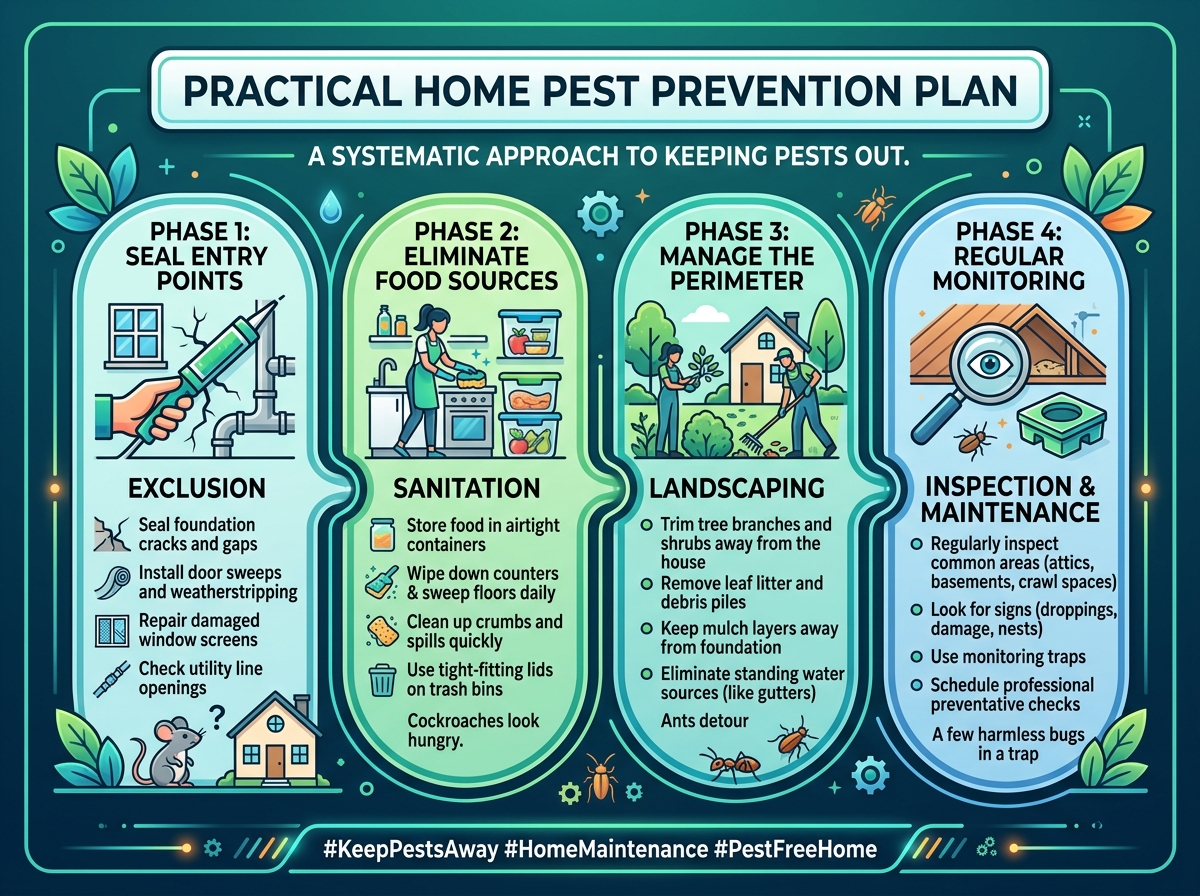
Effective rodent management also involves a combination of exclusion and sanitation measures, such as sealing cracks in walls, storing food in airtight containers, and promptly cleaning up crumbs or spills. By removing sources of food, shelter, and water, you make your space less inviting to rodents, reducing the overall population pressure indoors. Educational outreach and community cooperation are also vital in multi-unit complexes or urban neighborhoods, as collective efforts can prevent rodent migrations from untreated adjacent buildings, cutting off refuges and breeding opportunities. Over time, humane strategies paired with sound structural improvements can fundamentally shift the local rodent landscape, decreasing the odds of dangerous infestations while supporting overall community health and well-being.
Pesticide-Free Mosquito Traps for Outdoor Areas
Mosquitoes create outdoor discomfort and can carry serious diseases, posing additional challenges for families who love spending time in their backyards. Traditional sprays and foggers may temporarily reduce mosquito populations, but they often harm pollinators and beneficial insects. A new generation of mosquito traps now uses scent-based technology to mimic human presence, luring mosquitoes into a device where they are captured without leaving any chemical residues. North Raleigh’s implementation of such traps resulted in a dramatic drop in mosquito bites, transforming parks and public spaces into enjoyable, pest-free areas. These traps do not require pesticides, are safe around children and pets, and have minimal impact on the surrounding environment.
Along with advanced traps, homeowners can reduce mosquito breeding by inspecting their property for standing water. Emptying birdbaths, cleaning clogged gutters, and removing unused planters or toys reduce the number of places mosquitoes can lay eggs. Selecting outdoor lighting that is less attractive to insects and installing fine mesh screens on windows and doors provides additional protection without resorting to harsh chemicals. Communities may even consider installing traps collaboratively in shared spaces to achieve a broader impact. Continual research in mosquito behavior and ecology is further improving both trapping technology and public awareness, making it increasingly possible to enjoy outdoor living with far fewer interruptions from unwanted pests.
Integrated Pest Management (IPM) Techniques
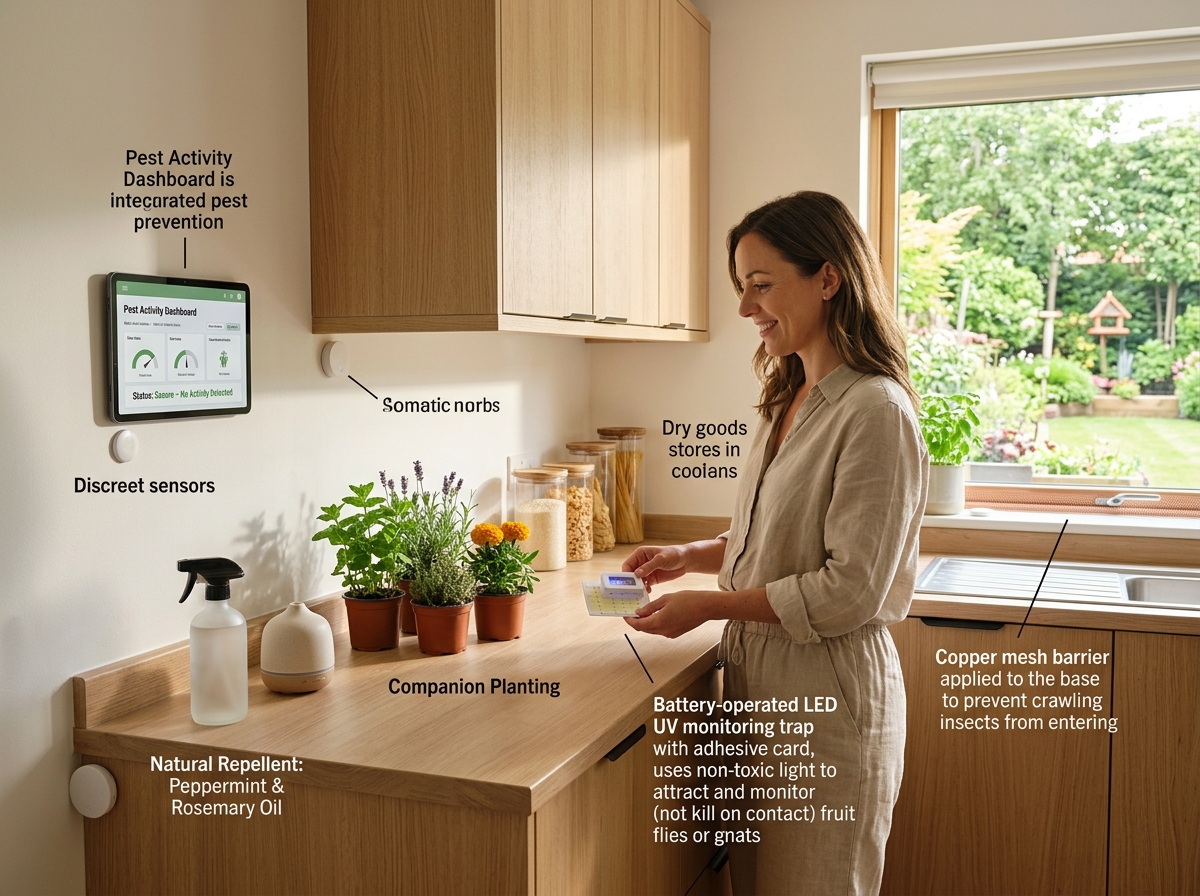
Integrated Pest Management (IPM) is a proactive, multi-faceted approach recommended by public health organizations such as the U.S. Environmental Protection Agency. IPM integrates a variety of practices, from thorough inspections and improved sanitation to the use of physical barriers and targeted biological solutions. This comprehensive method prioritizes monitoring, prevention, and the least risky pest control solutions first. Chemical treatments are applied selectively and only when absolutely necessary, reducing the chance of unintended harm. IPM’s flexibility allows homeowners to address specific pest populations at the source and maintain long-term prevention without excessive chemical use. Information and guidelines on implementing IPM in residential areas can be found in the Environmental Protection Agency’s IPM overview.
IPM techniques not only address immediate pest concerns but also involve educating residents about the factors contributing to infestations and habits that promote pest resistance. Routine monitoring and documentation help identify patterns over time, allowing pest professionals and homeowners to make swift, decisive interventions. Proper landscape management, such as trimming vegetation away from structures and using mulch sparingly, can further reduce hiding places for pests. Collaborative IPM implementation in schools, apartment complexes, or neighborhood communities amplifies positive results and spreads the benefits of safe pest control more broadly, contributing to enhanced public health and greater peace of mind.
Conclusion
Choosing innovative, eco-friendly pest prevention strategies lets homeowners protect their families, safeguard their investments, and minimize damage to the broader environment. By exploring natural termite controls, fertility baits for rodents, pesticide-free mosquito traps, and comprehensive integrated pest management plans, you can manage pests with confidence and conscience.
As pest management technology and research continue to evolve, more options are emerging that prioritize health and sustainability. Staying informed about the latest methods and regularly consulting local pest experts ensures you’re using the most effective, environmentally responsible strategies available. An investment in safer pest control today results in fewer problems and healthier homes well into the future, supporting your family’s comfort and peace of mind for years to come.