How to Choose Gardening Tools for Beginners in 2026
Starting a garden is one of the most rewarding decisions you can make. However, walking into a garden store for the first time can feel overwhelming. There are hundreds of tools on the shelves, and it is hard to know where to begin. The good news is that you do not need everything at once. You just need the right things.
This guide will help you understand what to look for, what to skip, and how to build a solid starter kit gardening setup without spending a fortune. Whether you have a small backyard, a balcony, or a community plot, these tips will get you growing with confidence.
Why the Right Tools Matter for New Gardeners
Many beginners make the mistake of buying too many tools at once. They spend a lot of money, clutter their shed, and then feel discouraged when things do not go as planned. Therefore, it is important to start small and smart.
The right tools make your work easier and more enjoyable. They reduce strain on your body and help you complete tasks more efficiently. Additionally, quality tools last for years, so you actually save money in the long run by choosing wisely from the start.
Good tools also help you learn faster. When a tool fits properly in your hand and does its job well, you can focus on the garden itself rather than fighting with the equipment. That connection between you and the garden is where the real joy of gardening lives.
Understanding Basic Garden Tools and Their Uses
Before you buy anything, it helps to understand what the essential basic garden tools are and what each one is designed to do. Every tool has a purpose. Knowing that purpose helps you shop smarter and use them more effectively once you get home.
Digging and Soil Preparation Tools
The spade and the garden fork are your two most important digging tools. A spade has a flat, sharp blade and is ideal for cutting into soil, edging beds, and moving dirt. A garden fork, on the other hand, has several tines and is better for loosening compacted soil and mixing in compost.
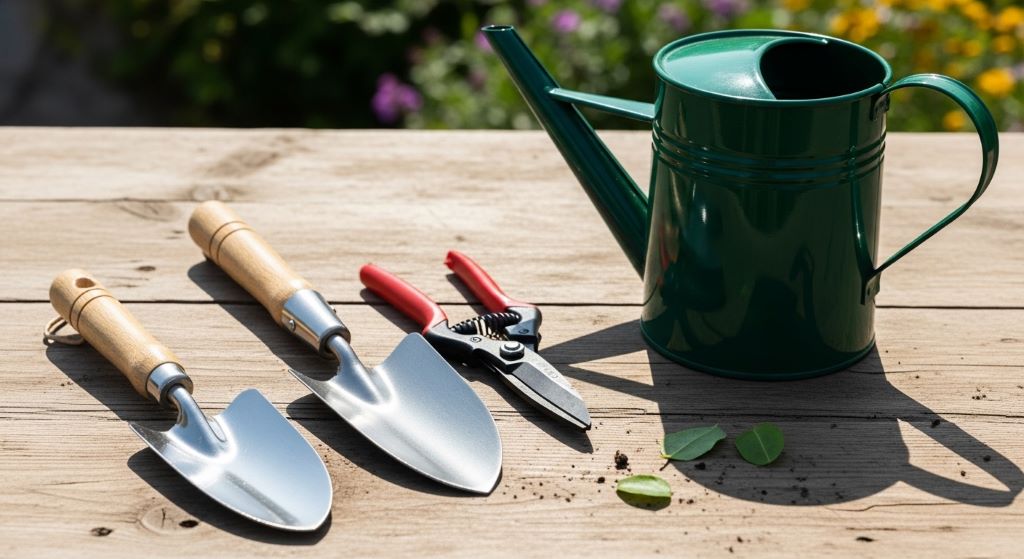
For smaller tasks, a hand trowel is essential. This little tool helps you dig planting holes, transplant seedlings, and work in tight spaces. It fits easily in your hand and is one you will use in almost every gardening session.
Watering Tools
Water is life for plants, and delivering it well matters. A watering can with a long spout gives you good control, especially for delicate seedlings and potted plants. For larger plots, a garden hose with an adjustable nozzle is a practical choice.
However, be careful not to overwater. Many beginners water too much, which can drown roots and encourage disease. A simple moisture meter can help you decide when plants actually need water, saving both your plants and your water bill.
Cutting and Pruning Tools
A good pair of pruning shears, also called secateurs, is a must. They are used for trimming plants, cutting back dead growth, and harvesting herbs or vegetables. Look for a pair that fits your hand size and opens and closes smoothly.
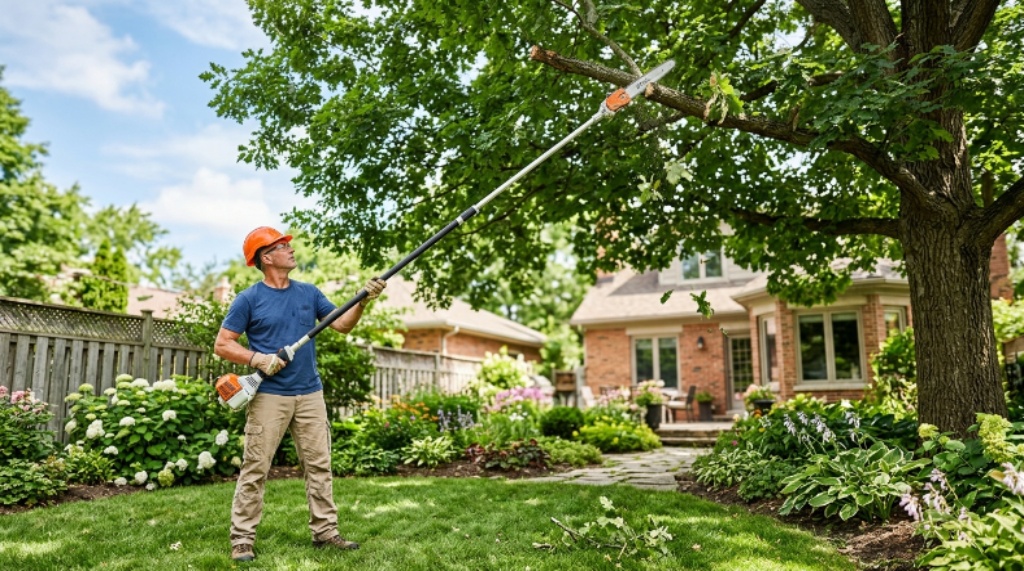
Additionally, a small pair of garden scissors can be handy for more delicate cutting tasks. For larger shrubs or hedges, a pair of loppers gives you extra leverage. However, as a beginner, pruning shears will handle the majority of what you need.
Weeding Tools
Weeds compete with your plants for nutrients, water, and sunlight. Therefore, keeping them under control is important. A hand weeder or hoe makes this job much easier. A stirrup hoe, which cuts on both the push and pull stroke, is especially efficient for clearing large areas quickly.
For weeds between paving stones or in tight spots, a narrow hand weeder with a forked tip is perfect. It lets you pull weeds out at the root, so they are less likely to grow back.
How to Choose Quality Over Quantity
When you are building your starter kit gardening collection, quality matters more than variety. A few excellent tools will serve you far better than a large set of cheap ones. Cheap tools bend, break, and blister your hands. They also make gardening harder than it needs to be.
Look for tools with forged steel heads, not stamped steel. Forged steel is stronger and holds an edge much longer. Additionally, check the handles. Ash wood handles are traditional and strong. Fiberglass handles are also excellent because they do not rot, splinter, or conduct heat.
Pay attention to the joint between the head and the handle. A solid connection, ideally with a collar or socket fitting, will last much longer than a simple tang-and-ferrule joint. Give the tool a firm shake in the store to test it before buying.
Ergonomics and Fit: Choosing Tools That Work for Your Body
One of the most overlooked aspects of choosing gardening tools is how they fit your body. A tool that is too heavy, too short, or too long will cause fatigue and even injury over time. Therefore, always try to hold a tool before buying it if possible.
Handle length is particularly important for long-handled tools like spades and rakes. The handle should reach your shoulder or thereabouts. If you have to hunch over while using a tool, it is too short. If you struggle to control it, it may be too long.
For people with limited grip strength or hand pain, look for tools with cushioned or wide grips. Some brands offer ergonomic designs with angled heads that reduce wrist strain. These are especially worth considering if you plan to garden regularly.
Children and smaller adults should look for tools sized specifically for them. Many garden centers carry compact versions that are not toys but are genuinely functional tools sized for smaller frames.
What to Look for When Shopping for Gardening Tools in 2026
The gardening tool market has changed a lot in recent years. In 2026, you have more options than ever, from sustainably sourced wooden handles to lightweight carbon-fiber composites. However, the core things to look for remain the same.
Here is a simple checklist to guide your shopping:
- Material: Choose forged steel for durability over stamped or cast alternatives.
- Weight: Pick up the tool. It should feel manageable, not tiring, for extended use.
- Handle material: Ash wood or fiberglass handles offer the best balance of strength and comfort.
- Warranty: Reputable brands back their tools with a lifetime or long-term warranty.
- Rust resistance: Look for tools with a rust-resistant coating or stainless steel finish.
- Grip: The handle should feel secure and comfortable, even when your hands are damp.
Additionally, check reviews from other gardeners, particularly those with similar garden types. A tool that works brilliantly in a sandy soil garden may perform differently in heavy clay. Real-world experience from other users is invaluable.
Budget Tips for Beginner Gardeners
You do not have to spend a fortune to get started. However, it is worth investing in a few high-quality pieces rather than filling a shed with cheap tools that will fail within a season or two.
Start with just three or four essential tools and build from there. A hand trowel, a spade, a pair of pruning shears, and a watering can will cover most of what you need in the early months. As your garden grows and your skills develop, you can add more specialized tools.
Second-hand tools are also worth considering. Many experienced gardeners sell their old equipment at garden fairs, estate sales, and online marketplaces. Older tools, especially those with wooden handles, were often made to a higher standard than modern budget options. A quick clean and a little oil can bring them back to life.
Furthermore, look for end-of-season sales at garden centers. Prices on tools often drop significantly in late autumn and early winter, which is a great time to invest in higher-quality items at a reduced cost.
Caring for Your Tools to Make Them Last
Even the best tools will not last if they are not looked after. Fortunately, tool maintenance is simple and takes only a few minutes after each use.
After every session, knock off any soil and wipe the metal parts down with a dry cloth. If the tool has been used in wet conditions, dry it thoroughly before storing it. Moisture is the primary cause of rust.
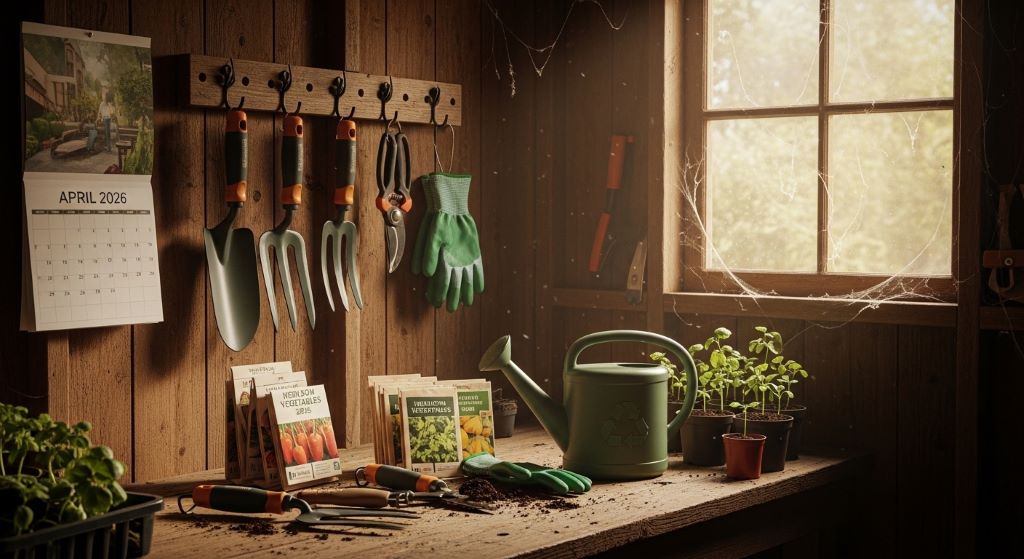
A few times per season, rub a light coat of linseed oil onto wooden handles to prevent them from drying out and cracking. Similarly, a thin layer of garden oil or WD-40 on metal parts will keep rust at bay. Store your tools in a dry shed or garage, ideally hanging them up rather than leaning them against a wall.
Keeping blades sharp is equally important. A sharp spade slices through soil effortlessly, while a blunt one requires far more effort and does more harm to plant roots. A flat file or sharpening stone is all you need to keep edges keen.
Conclusion
Choosing the right gardening tools does not have to be complicated. Start with a small selection of high-quality basic garden tools that match your garden’s needs and your body’s comfort. Focus on materials, fit, and function before worrying about having every tool imaginable.
Build your collection gradually as you gain experience. Take good care of what you have, and your tools will serve you for many years. Most importantly, remember that the best tool is the one that gets you outside and into the garden. Happy growing!
Frequently Asked Questions
1. What are the most important gardening tools for a beginner?
The most important tools for a beginner are a hand trowel, a spade, a pair of pruning shears, and a watering can. These four items will cover the vast majority of tasks in a new garden. Once you are comfortable with the basics, you can expand your collection based on what your garden actually needs.
2. How much should a beginner spend on gardening tools?
A beginner can build a solid set of tools for around $50 to $150, depending on the quality chosen. It is better to spend a little more on three or four essential, well-made tools than to buy a large cheap set. Quality tools last much longer and make gardening a more pleasant experience.
3. Are stainless steel tools better than carbon steel tools?
Stainless steel tools are rust-resistant and easier to clean, making them a good low-maintenance choice. Carbon steel tools, however, can be sharpened more easily and are often stronger. Both are good options. Stainless steel suits beginners who prefer minimal upkeep, while carbon steel appeals to those who do not mind a little more care.
4. Can I use the same tools for both a vegetable garden and a flower garden?
Yes, most gardening tools work across both vegetable and flower gardens. A hand trowel, spade, and pruning shears are useful regardless of what you are growing. You may eventually want a few specialized tools, such as a bulb planter for flower gardens or a dibber for sowing seeds, but the core set remains the same.
5. How do I know if a gardening tool is good quality before buying?
Hold the tool and check its weight, balance, and how the handle feels in your hand. Look for a solid connection between the head and the handle, and check that the metal parts are smooth with no rough edges. Forged steel heads and ash or fiberglass handles are signs of good quality. Additionally, check if the brand offers a warranty, as reputable manufacturers stand behind their products.
Related Topics:
Low Maintenance Evergreen Plants for Pots: A Complete Guide to Year-Round Greenery
How to Care for Garden Mums: Expert Tips for Thriving Blooms